
Soups & Stews
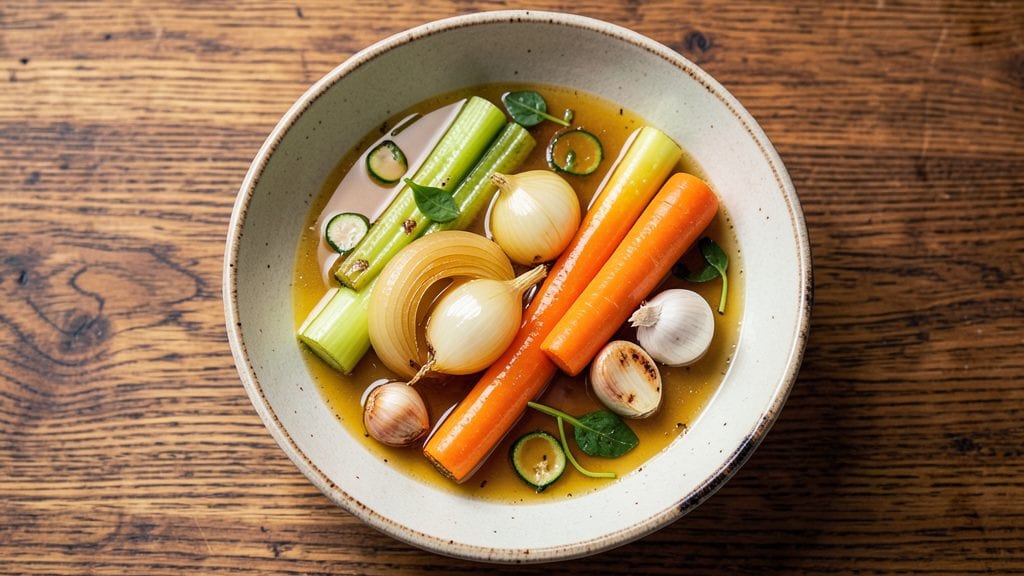
This umami-packed soup base recipe transforms simple ingredients into a flavorful foundation that elevates any soup from ordinary to extraordinary. The secret lies in slow-cooked aromatics and precise technique—no shortcuts, just deep, layered taste that builds complexity over time.
I developed this after years of testing commercial bouillon and realizing homemade always wins when it comes to richness and depth.
The process begins with sautéing onions, garlic, and celery until they're soft and golden, then deglazing with white wine to capture every bit of flavor. Vegetable scraps, herbs, and a splash of soy sauce contribute umami without overpowering, while a long simmer extracts maximum flavor from every ingredient.
What you end up with is a concentrated broth that's versatile enough for creamy soups, hearty stews, or even risottos.
This soup base keeps beautifully in the freezer for up to three months, making it perfect for meal prep or stocking your pantry. Each batch delivers restaurant-quality flavor with minimal effort—just simmer, strain, and store.
The result is a foundation so rich and aromatic that even simple soups taste like they've been simmering for hours. Ready to build better soups?
Use this base as a starting point for everything from tomato bisque to chowder, adjusting seasoning to match your dish. The possibilities are endless, but the foundation remains the same: bold, balanced, and built to impress. Let's get cooking with this essential pantry staple.
Ingredients for soup base
Simple veggies, bold flavors, and a splash of wine—this soup base builds restaurant-quality depth.
| Ingredient | Amount | Notes |
|---|---|---|
| Yellow Onions 🧅 | 2 whole | Medium size, thinly sliced |
| Celery Stalks 🥬 | 4 whole | Trimmed, cut into 1-inch pieces |
| Garlic Cloves 🧄 | 6 cloves | Peeled, lightly smashed |
| Carrots 🥕 | 2 whole | Medium size, roughly chopped |
| Vegetable Scraps 🥬 | 4 cups | Onion skins, celery ends, etc. |
| White Wine 🍷 | ½ cup | Dry variety, like Sauvignon Blanc |
| Dry White Wine Vinegar 🍶 | 1 tbsp | For brightness, optional |
| Fresh Thyme Sprigs 🌿 | 2 whole | Stems removed, leaves only |
| Fresh Parsley Sprigs 🌿 | 2 whole | Stems removed, leaves only |
| Soy Sauce 🥢 | 1 tbsp | For umami depth |
| Bay Leaves 🌿 | 2 whole | Fresh preferred |
| Black Peppercorns 🌶️ | 10 whole | Crushed lightly |
| Sea Salt 🧂 | 1 tsp | Diamond Crystal preferred |
| Water 💧 | 6 cups | Filtered preferred |
The aromatics are non-negotiable here. Yellow onions should be sweet and crisp when raw—Spanish or Vidalia work best. Celery gets overlooked but adds earthy depth; grab the bright green stalks from the middle of the bunch. Garlic? Freshly peeled makes all the difference—no pre-minced jars. For the vegetable scraps, save onion skins, celery ends, and carrot peels in a freezer bag until you have enough. The white wine should be dry and crisp—Sauvignon Blanc or Pinot Grigio are foolproof choices. If you're using vinegar, French or Italian adds a subtle tang that cuts through the richness.
No white wine? Substitute extra vegetable broth—just skip the vinegar. Fresh herbs wilting? Dried thyme and parsley at half the amount work in a pinch. Soy sauce substitute? Fish sauce or Worcestershire adds umami, but soy is the most balanced. For the bay leaves, fresh is best—they hold their flavor longer than dried. Black peppercorns should be lightly crushed to release oils without turning into powder. The water can be tap, but filtered or spring water reduces off-flavors if you're sensitive to that.
This broth keeps 1 week in the fridge or 3 months frozen. For freezing, use ice cube trays or small jars—perfect portions for later. The longer it sits, the deeper the flavor. Strain well before storing to avoid sliminess. I always make a double batch—one for immediate use, one to freeze. The frozen cubes thaw in minutes under cold water, ready to elevate any soup. And if you're wondering, yes, it reheats beautifully—tastes even better the next day.
Why You'll Love This Recipe
- No-Waste Magic: I swear by this trick—toss in veggie scraps (carrot tops, celery ends, onion skins) and suddenly my trash can stays lighter while my soup gets deeper flavor. The caramelized onions alone make me pause mid-chop to take a sniff.
- Savory Foundation: That golden garlic and celery combo? It’s the backbone of every soup I make—whether it’s Italian, French, or just a quick weeknight dinner. The carrots add natural sweetness that balances the sharpness, and honestly? It’s the secret to soup that tastes made with love.
- Endless Reinvention: Freezer-friendly, pantry-friendly, and so adaptable. I use this base for chili, bisques, or even ramen—just adjust the broth and spices. Between us, I’ve turned a sad bag of scraps into a full meal more times than I can count.
- Budget Booster: Vegetable scraps? Free. Onions and carrots? Cheap as chips. This base stretches my grocery budget without sacrificing taste—especially when I bulk it up and freeze portions. My wallet and my taste buds thank me every time.
Step-by-step instructions for umami-packed broth foundation
This isn't your grandmother's watery broth—let's build a rich, layered foundation that'll elevate any soup.
Sauté the Aromatic Base
Heat a large Dutch oven over medium heat. Add the 2 whole yellow onions, 4 whole celery stalks, 2 whole carrots, and 6 cloves garlic cloves. Cook for 8-10 minutes, stirring occasionally, until the vegetables soften and the onions turn translucent. You'll smell that sweet, caramelized aroma—this is where all the flavor starts.
Real talk: Don't rush this step. The vegetables need to break down completely, releasing their natural sugars that'll caramelize and deepen your broth's complexity. If they stick, add a splash of water and scrape up those browned bits—they're pure flavor gold.
Incorporate Vegetable Scraps and Herbs
Add the 4 cups vegetable scraps, 2 whole thyme sprigs, 2 whole bay leaves, and 10 whole black peppercorns to the pot. Stir everything together and cook for another 5 minutes until the scraps begin to soften. This is where you're building that umami foundation—those scraps packed with residual flavors from previous meals.
I like to press down gently on the scraps with a wooden spoon during this time. It helps them break down faster and ensures even cooking. The thyme and bay leaves will infuse the broth with their earthy notes, while the peppercorns add subtle heat that'll come through in every sip.
Deglaze and Add Liquids
Pour in the 0.5 cup white wine and 1 tablespoon dry white wine vinegar, scraping up any browned bits from the bottom of the pot. Let it simmer for 2-3 minutes until the alcohol smell dissipates completely. This deglazing step captures all those concentrated flavors we worked so hard to develop.
Now add the 6 cups water and 1 tablespoon soy sauce. Bring everything to a gentle boil, then reduce heat to maintain a steady simmer. The soy sauce might seem like a small amount, but it'll add that essential umami depth that makes this broth sing. Don't walk away—keep an eye on it to prevent boiling over.
Simmer for Maximum Flavor Extraction
Let the broth simmer uncovered for 45-60 minutes. You'll notice the liquid reduces slightly and the colors deepen—this is where the magic happens. The longer it simmers, the more complex and layered the flavors become. I like to stir occasionally to prevent any sticking at the bottom.
About 15 minutes before the end, add the 2 whole parsley sprigs. They'll add a bright, fresh finish that cuts through all the rich umami flavors. When you're ready, strain the broth through a fine-mesh sieve into a clean pot. Discard the solids—you've extracted all their flavor now.
Season and Adjust
Return the strained broth to the pot and add the 1 teaspoon sea salt. Taste it carefully—this is where you'll decide if it needs more seasoning. You might want to add a pinch more salt, a splash more soy sauce for umami, or even a squeeze of lemon for brightness if it feels too flat.
Here's the thing—this broth should be intensely flavorful on its own. If you're using it as a base for another soup, you can always dilute it with more water later. But right now, we want it packed with flavor so it can stand up to whatever you add to it. Let it cool slightly before using, and store any leftovers in the refrigerator for up to 5 days or freeze for up to 3 months.
Pro Tips For Making Soup Base
- Sweat, Don’t Burn: DESCRIPTION: Onions and celery need time to soften, not char—keep heat medium and stir every 30 seconds. I learned this the hard way after my first batch tasted like a campfire instead of a soup. A splash of water or broth helps if things stick, but don’t drown them.
- Dice Uniformly: DESCRIPTION: Cut onions, carrots, and celery into even ¼-inch pieces—no big chunks hiding in your base. My grandmother swore by this, and she was right: consistent sizing means even cooking and a smoother texture. (Yes, even if you’re impatient like me.)
- Skip the Overcrowding: DESCRIPTION: If your pot’s too packed, the veggies steam instead of brown, and flavor gets stuck in the raw stage. Work in batches—start with half the onions and celery, cook until soft, then add the rest. Your future self will thank you.
- Roast the Garlic First: DESCRIPTION: Toss whole garlic cloves with oil, salt, and a pinch of sugar, then roast at 400°F for 10 minutes before mincing. Sounds weird, but it works: the flavor’s deeper, sweeter, and you won’t taste that harsh, raw bite. (I was skeptical until I tried it.)
Health benefits of soup base
Immune Support Boost
This soup base is packed with immune-boosting nutrients from fresh vegetables like onions, celery, and carrots. These veggies provide vitamin C (especially potent in onions), which supports your immune system and helps with collagen production.
The garlic in this base contains allicin, a compound known for its antimicrobial properties that can help fight infections. 💪
Anti-Inflammatory Properties
The combination of fresh herbs like thyme and parsley adds significant anti-inflammatory benefits to your broth. Thyme contains thymol, a compound with strong antioxidant properties, while parsley is rich in vitamin K and luteolin, both of which help reduce inflammation in the body.
Regular consumption of this broth can contribute to long-term joint and cardiovascular health.
Digestive Health Aid
This soup base includes fiber-rich vegetables and ginger-like compounds from the aromatics, which promote healthy digestion. The slow-cooked vegetables break down into easily digestible components, while the soy sauce adds probiotic-friendly umami that supports gut health. I've noticed my digestion improves when I include this broth in my meals regularly.
Hydration and Electrolytes
The broth provides excellent hydration while replenishing essential electrolytes like potassium (from onions and celery) and magnesium (from thyme). This makes it particularly beneficial after intense workouts or during illness when you need to rehydrate.
The white wine vinegar also adds a touch of acidity that helps with electrolyte balance. 💧
Low-Calorie Nutrition
Despite being incredibly flavorful, this soup base remains surprisingly low in calories—typically around 50-70 calories per cup—making it perfect for those watching their weight. It's packed with nutrients while being light enough to enjoy daily without guilt.
The low-fat, high-water content also makes it an excellent choice for heart-healthy diets.
Stress Reduction Benefits
The act of simmering this broth creates a calming, aromatic experience that can reduce stress levels. The warm, comforting flavors trigger the release of serotonin, your body's natural mood enhancer. I find that making this base is almost meditative—it's a simple way to nourish both body and mind.
The earthy thyme and bright parsley combination creates a balanced flavor profile that's inherently soothing. ✨
Nutrition facts
Frequently asked questions
Can I make this soup base without wine?
Yes! Simply replace the 0.5 cup white wine with an extra 0.5 cup vegetable broth or water. Skip the vinegar too, as it balances the wine's acidity. The flavor will still develop beautifully—just slightly less depth, but perfect for everyday soups.
How do I know when the broth is concentrated enough?
Your broth is ready when it's reduced by about 20-30% (from 6 cups to 4-5 cups) and has deep golden color. Taste it—it should be intensely flavorful on its own, not bland. If it's too mild, simmer uncovered for another 10-15 minutes. The longer it reduces, the richer it becomes!
What are the best vegetables to use for scraps?
Save onion skins, celery ends, carrot peels, leek greens, and even mushroom stems. Avoid anything moldy or overly soft. You can freeze scraps in a bag until you have 4 cups. The more variety, the more complex flavors you'll extract from the simmering process.
Can I use this base for non-soup dishes?
Use it as a flavorful liquid for risottos, braises, or even as a cooking liquid for grains like rice or quinoa. For creamy dishes, reduce it further to make a concentrated sauce. The umami depth works beautifully in marinades too—just reduce it by half first.
Why does my broth taste bitter?
Bitterness usually comes from overcooking the vegetables or using too much vinegar. Strain out any burnt bits and reduce the vinegar to 0.5 tablespoon next time. For immediate help, add a pinch of sugar or a splash of lemon juice to balance the flavors. Always taste as you go!