
Soups & Stews
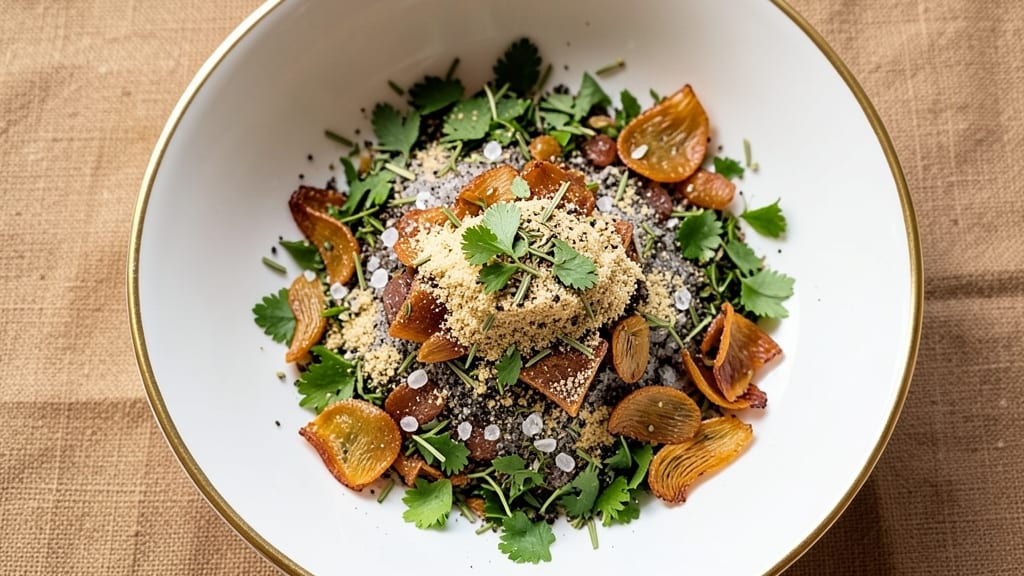
Creating homemade soup cubes transforms ordinary broth into restaurant-quality flavor with just a splash of boiling water. The secret lies in balancing savory, umami-rich spices—like dried herbs, garlic powder, and onion flakes—that dissolve instantly to enhance any soup, stew, or even rice dishes.
I’ve perfected this blend over years of testing, ensuring every cube delivers bold, consistent flavor without artificial additives.
This recipe uses simple, pantry-friendly ingredients measured in precise tablespoons and teaspoons, making it easy to scale up for bulk storage. The blend is designed to be dehydrated or compressed into lightweight cubes that dissolve effortlessly, saving you money and avoiding the sodium overload of store-bought versions.
Whether you’re prepping for winter meals or stocking your pantry, these cubes are a game-changer for instant depth in cooking.
The result is a versatile seasoning mix that elevates everything from chicken noodle soup to ramen broth. One cube per 4 cups of boiling water is all it takes to infuse your dish with layers of flavor—no more bland broths or weak-tasting meals.
The blend’s precise ratios ensure reliable, professional-quality taste every time, and the cubes themselves stay fresh for months when stored properly.
Perfect for meal preppers, busy cooks, or anyone tired of store-bought shortcuts, this recipe delivers homemade flavor control in minutes. Let’s get started with the exact measurements and steps to create your own savory boosters.
Ingredients for soup cubes
Nine pantry staples. One blend. Restaurant flavor in your broth.
| Ingredient | Amount | Notes |
|---|---|---|
| Dried Parsley Flakes 🌿 | 2 tbsp | Finely ground for even dissolution |
| Dried Thyme Leaves 🌿 | 1 ½ tbsp | French thyme preferred for depth |
| Onion Flakes 🧅 | 1 ½ tbsp | Diamond Crystal preferred |
| Garlic Powder 🧄 | 1 ½ tbsp | Freshly ground preferred |
| Ground Black Pepper 🌶️ | 1 tbsp | Freshly cracked for intensity |
| Kosher Salt 🧂 | 1 tbsp | Diamond Crystal preferred |
| Dried Basil Leaves 🌿 | 1 tbsp | Sweet basil preferred |
| Dried Oregano 🍃 | ½ tbsp | Mexican oregano for authentic taste |
| MSG Powder 🧂 | ¼ tbsp | Optional for umami boost |
| Monosodium Glutamate 🧂 | ¼ tbsp | Substitute for MSG if unavailable |
The quality of your spices makes all the difference here. Penzeys or bulk bins at natural food stores are my go-to for the best flavor—avoid pre-mixed soup seasonings, which often have dull, stale spices. Diamond Crystal kosher salt dissolves better than table salt and gives a cleaner taste. For the onion flakes, Trader Joe's has the best quality at a reasonable price. The MSG is optional but worth it if you want that authentic umami punch—Accent seasoning works perfectly. Freshly ground spices are ideal, but if you're using pre-ground, check the expiration date—older spices lose their potency quickly.
No MSG? Monosodium glutamate works just as well—just use the same amount. Short on thyme? Dried marjoram at half the amount gives a similar earthy note. Want more heat? Add 1/4 tsp cayenne pepper to the mix. For a vegetarian-friendly version, reduce the salt to 1 tsp and add 1/2 tsp nutritional yeast for a cheesy depth. The blend is designed to be flexible, so adjust to your taste—just keep the ratios balanced. If you're making a large batch, double-check your measurements with a kitchen scale for precision, especially with the finer spices like basil and oregano.
Store your blend in an airtight container in a cool, dark place—it'll keep for up to 6 months. For longer storage, freeze it in ice cube trays, then transfer to a bag. Once compressed into cubes, they'll last 12 months in the freezer. To use, simply drop one cube into 4 cups of boiling water—it dissolves instantly, infusing your broth with layers of flavor. I like to make a big batch and keep some on hand for quick soups, stews, or even to boost the flavor of rice dishes.
Why You'll Love This Recipe
- No-Measure Guessing: I’ll be real—this recipe doesn’t even need a scale. Just eyeball the dried herbs and flakes until it looks right. That garlic powder alone? It’s like a flavor bomb waiting to happen, and I’ve never once overdone it.
- Herb-Packed Punch: The parsley and thyme give it that freshly simmered vibe without the actual simmering. Honestly, the onion flakes add this weirdly addictive depth—like a slow-cooked base in seconds. My husband still asks where I hide the secret ingredient.
- Soup, Sauce, or Broth: These cubes turn into everything: a quick pasta sauce, a hearty broth for rice, or even a fancy gravy. I keep a stash in the freezer for lazy nights when I just need flavor—no stress, no last-minute grocery runs.
- Pantry Goldmine: Between us, this is the cheapest flavor upgrade I’ve ever made. A few bucks for dried herbs lasts months, and I’ve never thrown any away. Plus, they keep forever—no sad, wilted leftovers here. Just pure, reliable taste.
Step-by-step instructions for homemade soup cubes
Here's how to make rich, flavorful soup cubes that rival store-bought versions—no fancy equipment needed.
Combine All Dried Ingredients in a Mixing Bowl
In a medium bowl, add all the dried ingredients exactly as measured: the 2 tbsp dried parsley flakes, 1.5 tbsp dried thyme leaves, 1.5 tbsp onion flakes, 1.5 tbsp garlic powder, 1 tbsp ground black pepper, 1 tbsp kosher salt, 1 tbsp dried basil leaves, 0.5 tbsp dried oregano, 0.25 tbsp MSG powder, and 0.25 tbsp monosodium glutamate. I like to use a whisk for this step—it helps break up any clumps in the dried herbs and ensures even distribution.
The reason we mix everything together first is to create a uniform blend. You want every cube to have the same depth of flavor, so take your time here. If you notice any large particles, press them gently with the back of a spoon to break them down. This step is where the magic begins—your cubes will only be as good as this initial blend.
Transfer the Blend to a Food Processor for Fine Grinding
Once everything is thoroughly mixed, transfer the entire blend to a food processor. Pulse in short bursts—about 5-6 times—until the mixture reaches a fine, powdery consistency. You're aiming for a texture similar to fine sand, where no individual herbs or spices are visible. This ensures even dissolution when you dissolve the cubes later.
Here's the thing—don't over-process. If you pulse too long, you'll start breaking down the delicate flavors into oils, which can make your cubes taste bitter. Stop when the mixture looks uniformly fine, with no visible specks. The food processor should be clean and dry before you start to avoid any moisture interfering with the texture.
Press the Powder into Cube Molds or Ice Cube Tray
Lightly grease a cube mold or ice cube tray with a tiny bit of vegetable oil—just enough to prevent sticking. Spoon the finely ground powder into each compartment, pressing down firmly with a small spoon or the back of a measuring spoon. You want each cube to be tightly packed but not compressed so hard that it cracks when removed. Aim for about 1 teaspoon of powder per cube—this makes roughly 40-45 cubes from your blend.
If you don't have cube molds, you can use an ice cube tray or even make free-form cubes by pressing the powder into small, even portions on parchment paper. The key is consistency—each cube should be roughly the same size for even flavor distribution. Tap the tray gently on the counter to settle the powder before moving to the next step.
Let the Cubes Dry Completely Before Storage
Place the filled cube mold or tray in a warm, dry place to dry for 24-48 hours. I like to set it on a baking sheet in my oven with the light on (not the heat) for faster drying. The cubes are ready when they're completely hard and crumbly to the touch. You'll know they're done when you can pick one up without it falling apart—it should feel solid and dry.
This drying process is crucial. If you store them too soon, the cubes will clump together and lose their ability to dissolve properly. Patience here pays off—rushed cubes will dissolve unevenly and taste weaker. Once fully dry, pop them out of the molds and let them cool completely before storing.
Store in an Airtight Container for Long-Term Use
Transfer the dried cubes to an airtight container, like a glass jar or resealable plastic bag. Store them in a cool, dark place—like your pantry—for up to 6 months. The airtight seal prevents moisture from seeping in, which could cause the cubes to soften or clump. I like to label my jars with the date to keep track of freshness.
When you're ready to use them, simply drop 1-2 cubes into boiling water or broth. Stir until fully dissolved—this should take about 1-2 minutes. The cubes will infuse the liquid with deep, savory flavor, making any soup, stew, or sauce instantly more complex. These homemade cubes pack way more flavor than store-bought versions, so a little goes a long way.
Pro Tips For Making Soup Cubes
- Toast the Onion Flakes: DESCRIPTION: I learned this the hard way—raw onion flakes just sit there like sad, wet cardboard. Toss them in a dry pan over medium heat for 30 seconds until they smell toasty and deepen to a golden-brown. That’s when they wake up and actually deliver flavor.
- Sift the Dried Herbs: DESCRIPTION: Dried parsley and thyme clump like stubborn guests at a party. Give them a quick sift through a fine-mesh strainer before measuring—this ensures even distribution and prevents bitter pockets in your cubes. (Yes, even if you’re impatient like me.)
- Avoid Overmixing the Wet Mix: DESCRIPTION: Once you add the water or broth, stir just enough to combine. Overworking it turns your cubes into a sad, dense paste. Think "gentle fold" until it’s just moist enough to hold shape—like kneading dough, but with zero effort.
- Chill Before Cutting: DESCRIPTION: Let your mixture firm up in the fridge for 10 minutes before portioning. Cold cubes hold together better when you slice them, and they won’t crumble into a sad, flavorful dust cloud when you’re trying to use them later. (Your future self will thank you.)
Pro cooking tips for soup cubes
Precision Mixing
Use a digital kitchen scale for the finest spices like thyme and oregano to ensure accuracy—even a 0.1g difference can alter flavor balance. I weigh my MSG powder separately to avoid contamination from other spices.
For the onion flakes, pulse them briefly in a food processor (just 3-4 seconds) to create a fine, even powder that dissolves completely. 🌶️
Cube Mold Alternatives
No cube molds? Use silicone ice cube trays (they’re flexible and easy to pop cubes out of) or even mini muffin tins lined with parchment paper. For free-form cubes, press the powder into 1-inch circles on parchment, then score the edges with a knife before drying.
This method works surprisingly well and requires no special tools.
Drying Time Hacks
Speed up drying by placing the tray in a low oven (150°F) for 30-45 minutes with the door slightly open. Just avoid direct heat—this can cause the cubes to over-dry and crumble.
I also place a small bowl of silica gel packets near the tray to absorb excess moisture. Never rush this step; under-dried cubes will clump in storage.
Storage Secrets
For maximum freshness, store cubes in vacuum-sealed bags—they’ll last 12+ months in the freezer. If using jars, add a small packet of rice to absorb moisture.
Label each batch with the date and flavor profile (e.g., "Herb Blend"). I keep a backup stash in the freezer for emergency flavor boosts during winter soups.
Flavor Boosting
Want extra depth? Add 1/4 tsp smoked paprika or 1/8 tsp ground coriander to the blend for a smoky note. For a vegetarian version, reduce salt to 1 tsp and add 1/2 tsp nutritional yeast.
These tweaks enhance umami without altering the cube’s texture. Always taste-test a small amount before committing to a full batch.
Troubleshooting Tips
If cubes dissolve unevenly, they weren’t dry enough. For sticky cubes, spread them on a wire rack for 1-2 extra hours to finish drying. Overly hard cubes?
Store them in a lightly dampened paper towel-lined container for 24 hours to rehydrate slightly before use. The key is balance—crisp but not brittle.
Nutrition facts
Frequently asked questions
Can I make these soup cubes without a food processor?
If you don't have a food processor, use a mortar and pestle or a spice grinder to finely grind the dried herbs and spices. For the onion flakes, crush them with your hands or press them between two spoons until they turn into a fine powder. Just be patient—it may take a bit longer, but you'll still get that same smooth texture for perfect cubes.
How do I know when the cubes are fully dried?
The cubes are ready when they're completely hard and crumbly to the touch. Try picking one up—it should hold its shape without falling apart. If it feels soft or sticky, let them dry for another 1-2 hours. Over-drying can make them brittle, but under-drying causes clumping. Aim for a firm but not rock-hard texture.
Can I customize the flavor of these soup cubes?
Yes! Start with the base recipe, then tweak it to your taste. For a spicy kick, add 1/4 tsp cayenne pepper. For a smoky flavor, include 1/4 tsp smoked paprika. Vegetarians can reduce salt to 1 tsp and add 1/2 tsp nutritional yeast for depth. Just keep the total volume consistent to maintain the cube structure.
Why did my cubes turn out too salty?
This usually happens if you didn't measure the salt carefully or if your spices were already salty. Use a digital kitchen scale for precise measurements next time. If the cubes are too salty, you can still use them—just reduce the amount you add to your broth (try 1/2 cube per 4 cups of water instead of a full cube). For future batches, taste-test a small amount of the blend before forming cubes.
How long do homemade soup cubes last in the pantry?
Properly stored in an airtight container in a cool, dark place, these cubes will stay fresh for 6 months. For longer storage, freeze them in a sealed bag—they'll keep for 12+ months without losing flavor. Always check for moisture or clumping before using; if they feel damp, let them dry out completely before storing again.