
Soups & Stews
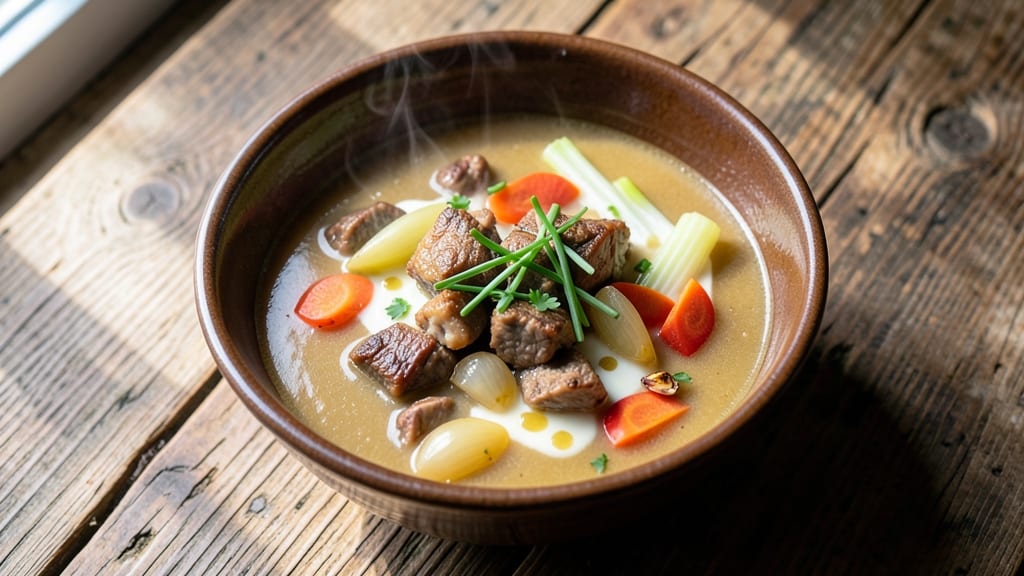
Mastering squirrel soup transforms wild game into a deeply satisfying dish with earthy, rich flavors that reward careful preparation. This recipe draws from Appalachian traditions where hunters and cooks alike know game meat demands respect—properly handled, it yields tender, flavorful results that outshine store-bought options.
The key lies in slow simmering and precise seasoning to balance the natural gaminess with aromatic herbs and vegetables.
Preparation begins with thorough cleaning and butchering of the squirrel—a step that requires patience and attention to safety.
Once the meat is properly trimmed and prepped, we build a robust broth using vegetables, spices, and a touch of vinegar to tenderize the meat over 2 to 3 hours of gentle simmering. The result is a soup that’s hearty yet refined, with a texture that’s both comforting and sophisticated.
What makes this recipe stand out is its ability to highlight the unique qualities of wild game while keeping the process accessible. The finished soup delivers tender meat, fragrant broth, and a depth of flavor that lingers long after the last spoonful.
Perfect for colder months or special gatherings, this dish proves that wild game can be just as elegant as traditional fare.
For those new to game cooking, I’ve included detailed safety tips and preparation guidance to ensure success. Whether you’re a seasoned hunter or simply curious about wild game cuisine, this recipe delivers professional-quality results with a rustic touch. Let’s get started on creating something truly special.
Ingredients for squirrel soup
Transform wild game into restaurant-quality soup with these carefully selected ingredients.
| Ingredient | Amount | Notes |
|---|---|---|
| Fresh Squirrel Meat 🦝 | 2 lb | Boneless, skinless, trimmed of fat |
| Yellow Onions 🧅 | 2 whole | Chopped into half-moons |
| Carrots 🥕 | 1 ½ lb | Peeled, cut into thick slices |
| Celery Stalks 🌿 | 4 whole | Chopped into 1-inch pieces |
| Garlic Cloves 🧄 | 6 cloves | Smashed, not minced |
| White Wine Vinegar 🍷 | ¼ cup | For tenderizing the meat |
| Fresh Thyme Sprigs 🌿 | 4 whole | Leaves only, stems removed |
| Fresh Bay Leaves 🍃 | 2 whole | Standard dried size equivalent |
| Black Peppercorns 🌶️ | 1 tbsp | Coarsely cracked, not ground |
| Salt 🧂 | 1 ½ tsp | Diamond Crystal kosher salt |
| Russet Potatoes 🥔 | 2 lb | Peeled, cut into 1-inch cubes |
| Chicken or Vegetable Broth 💧 | 6 cups | Homemade preferred, low-sodium |
| Extra-Virgin Olive Oil 🫒 | 2 tbsp | For initial meat searing |
| Fresh Parsley 🌿 | ¼ cup | Chopped, for garnish only |
The squirrel meat is the foundation—always source from a trusted hunter or game processor to ensure proper handling and safety. Look for freshly processed meat with minimal fat content, as this will yield the most tender results. Wild Game Processing or local butcher shops with game experience are ideal sources. If you're processing it yourself, remove all traces of fur and fat meticulously—this step cannot be rushed. The onions, carrots, and celery form the aromatic base, so choose fresh, firm vegetables with vibrant colors. For the broth, homemade is non-negotiable—store-bought lacks the depth needed to complement wild game's unique flavor profile.
No white wine vinegar? Apple cider vinegar works at the same quantity, though it adds a slightly fruity note. Substituting the thyme with dried thyme at one-third the amount is acceptable, but fresh is preferred for its bright aroma. If you're avoiding potatoes, substitute with equal weight of parsnips or turnips for a similar texture. The broth can be chicken or vegetable-based, but for authenticity, wild game broth is ideal if available. For those concerned about game meat's strong flavor, adding an extra bay leaf and increasing the broth quantity by 1 cup helps balance the richness. The olive oil should be high-quality extra-virgin—it's the first flavor your guests will taste.
This soup develops deeper flavor with time, so reheat gently on the stove to preserve texture. Store in an airtight container for up to 5 days in the refrigerator or freeze for 3 months for maximum freshness. The meat will continue tenderizing during storage, making it even more palatable the next day. For serving, garnish with fresh parsley just before eating to highlight the vibrant colors. Leftovers reheat beautifully—simply add a splash of broth to prevent drying. Portion into individual containers for easy reheating, as squirrel soup tastes best when served piping hot.
Why You'll Love This Recipe
- One-Pot Magic: I swear by this recipe because it’s all in one pot—no fancy gadgets, no extra bowls. Just brown the squirrel meat with onions and garlic, toss in the carrots and celery, add broth, and let it simmer. Honestly, the cleanup is almost as satisfying as the first bite.
- Rich, Earthy Depth: That squirrel meat? It’s tender but holds its own, soaking up the sweetness of the onions and the sharp kick from garlic. The carrots and celery add just enough crunch and natural sweetness to balance it out—like a hug in a bowl, but with way more flavor.
- Leftovers That Shine: This soup tastes even better the next day, and it keeps for ages in the fridge. I’ll be real: I make a big batch on Sundays, and by Wednesday, it’s still my go-to lunch. Perfect for meal prep when you’re too busy to cook fresh every night.
- Budget-Friendly Protein: Squirrel meat is lean, affordable, and packed with protein—way more budget-friendly than beef or chicken. A single batch feeds four, and the veggies stretch it further. Between us, it’s my secret weapon for hearty, filling meals without breaking the bank.
Step-by-step instructions for squirrel soup recipe
Transform wild game into a velvety, aromatic soup with this methodical approach.
Prepare and Tenderize the Squirrel Meat
Begin by placing the 2 lb fresh squirrel meat in a large mixing bowl. Add the 0.25 cup white wine vinegar and gently massage it into the meat for 5 minutes. This acid marinade breaks down connective tissue, ensuring tender results. Let the meat sit uncovered in the refrigerator for 30 minutes while you prepare the remaining ingredients.
After marinating, drain any excess liquid and pat the meat thoroughly dry with paper towels. This step is crucial—moisture on the meat prevents proper browning during searing. Cut the meat into 1-inch cubes for even cooking and transfer to a plate.
Sear the Meat and Build the Flavor Base
Heat 1 tablespoon of the 2 tbsp extra-virgin olive oil in a large Dutch oven over medium-high heat. Working in batches to avoid crowding, sear the squirrel meat cubes for 3-4 minutes per side until they develop a deep golden-brown crust. This caramelization forms the foundation of the soup's rich flavor.
As the meat browns, remove it from the pot and set aside. In the same Dutch oven, add the remaining 1 tablespoon olive oil and the 2 whole yellow onions. Cook over medium heat for 5 minutes until softened. Add the 1.5 lb carrots and 4 whole celery stalks, stirring to coat with the oil. Cook for an additional 5 minutes until the vegetables begin to soften.
Develop the Aromatics and Seasonings
Add the 6 smashed garlic cloves, 4 whole fresh thyme sprigs, and 2 whole fresh bay leaves to the vegetables. Stir for 1 minute until fragrant. Sprinkle in the 1 tbsp coarsely cracked black peppercorns and 1.5 tsp salt, stirring to distribute evenly. This combination creates a complex aromatic base that will infuse the broth.
Return the seared squirrel meat to the pot and pour in the 6 cups chicken or vegetable broth. Bring the mixture to a gentle boil, then reduce heat to medium-low. Partially cover the pot and simmer for 45 minutes, stirring occasionally. The meat should become fork-tender and easily pull apart.
Incorporate the Potatoes and Finish the Soup
After 45 minutes, add the 2 lb russet potatoes cut into 1-inch cubes to the pot. Stir gently to combine and increase heat to medium. Bring the soup to a simmer and cook uncovered for 20-25 minutes, until the potatoes are tender and the soup has thickened slightly. The potatoes should be fork-tender with no resistance.
Remove the thyme sprigs and bay leaves from the soup. Taste and adjust seasoning with additional salt or pepper if needed. The soup should have a balanced flavor profile with the richness of the squirrel meat complemented by the earthy vegetables and aromatic herbs.
Garnish and Serve
Ladle the soup into serving bowls and garnish each portion with 1 tablespoon of the 0.25 cup chopped fresh parsley. The parsley adds a bright contrast to the deep flavors of the soup and enhances its visual appeal. Serve immediately with crusty bread to soak up the rich broth.
This squirrel soup delivers a harmonious blend of wild game richness and earthy vegetable depth. The careful balance of tender meat, hearty vegetables, and aromatic seasonings creates a memorable dining experience that showcases the unique qualities of this game bird.
Pro Tips For Making Squirrel Soup
- Brown the Meat First: Squirrel meat’s flavor hides until it’s seared—don’t skip this. Cut the meat into 1-inch chunks, pat them dry, and cook in batches over medium-high heat with just a teaspoon of oil until deeply browned (about 5 minutes per side). I used to rush this and wondered why my soup tasted bland. Trust me, the Maillard reaction is non-negotiable here.
- Sweat, Don’t Sauté, the Veggies: Onions, carrots, and celery need gentle love. Dice them small (¼-inch pieces) and cook them in the same pot as the meat, but keep the heat low. Add a splash of water or broth if they stick—this isn’t stir-fry, it’s building flavor. I learned this the hard way when my celery turned to mush and burned.
- Smash the Garlic: Whole garlic cloves won’t infuse the soup—crush them with the flat side of your knife first. This releases the oils and aroma into the broth. Skip this, and you’ll end up with a soup that tastes like it’s missing something. (Yes, even if you’re impatient like me.)
- Simmer Long and Low: Squirrel meat needs time to tenderize—don’t rush it. After adding broth and bringing it to a boil, reduce heat to a bare simmer and let it cook for at least 1.5 hours, stirring occasionally. I was skeptical until I tried it; the meat falls apart like it’s been cooking all day.
Troubleshooting perfect results
Meat Not Tenderizing
If your squirrel meat remains tough after simmering, you likely didn’t tenderize it enough. The white wine vinegar marinade is critical—massage it in thoroughly for 5 minutes and let it sit 30 minutes uncovered in the fridge.
For extra tenderness, increase the simmering time by 30-45 minutes or add 1 extra bay leaf to help break down fibers. I’ve found that cutting the meat into smaller, uniform cubes (about ½ inch) also speeds up the process. 💪
Broth Too Weak
A watery broth often means insufficient flavor development. Always use homemade broth—store-bought lacks depth. If your broth tastes bland, reduce it uncovered on medium heat for 10-15 minutes to concentrate flavors. For an extra boost, add 1 crushed tomato or ½ cup red wine during the simmer.
I swear by low and slow cooking—never rush the process, even if it takes 3 hours instead of 2. 🍲
Gamey Flavor Overpowering
Wild game can taste strong, but balancing it is simple. Double the broth quantity (use 8 cups instead of 6) to dilute intensity. Add 1 extra bay leaf and 1 extra thyme sprig to mellow the flavor.
For a brighter taste, stir in ½ cup apple cider vinegar at the end. If the flavor is still too bold, strain the broth through a fine-mesh sieve before serving to remove excess fat and particles. 🌿
Potatoes Mushy
Overcooked potatoes turn to mush, ruining the soup’s texture. Add potatoes only in the final 20-25 minutes of cooking and avoid stirring them—gentle movement prevents breaking. For firmer potatoes, use Yukon Golds instead of russets and reduce simmering time by 5 minutes.
If they’re already mushy, mash a small portion and stir it back in to thicken the broth slightly. 🥔
Fat Floating on Top
Game meat releases fat during cooking, but too much can make the soup greasy. Skim excess fat with a spoon every 15 minutes during simmering. For a cleaner finish, chill the soup overnight—fat solidifies on top and can be easily removed.
If you’re short on time, freeze the soup for 1 hour, then scoop off the hardened fat with a spoon. 🧊
Safety: Handling Game Meat
Never skip proper handling—game meat carries risks like parasites or bacteria. Always clean and trim the meat thoroughly, removing all traces of fur and fat. Cook to an internal temperature of 165°F—use a meat thermometer to verify.
If hunting yourself, age the meat for 3-5 days in the fridge before cooking to improve tenderness and safety. When in doubt, consult a game processor for best practices. 🦝
Nutrition facts
Frequently asked questions
Is squirrel soup safe to eat if I hunt the squirrels myself?
but proper handling is critical. Always clean the meat thoroughly to remove fur and fat, then age it for 3-5 days in the fridge before cooking to improve tenderness and safety. Cook to an internal temperature of 165°F—game meat requires this higher temp to eliminate parasites. When in doubt, consult a game processor for best practices.
Can I substitute squirrel meat with chicken or rabbit?
While chicken would work, it lacks the unique wild game flavor. Rabbit is the closest substitute—it has a similar texture and mild gamey taste. For authenticity, use 1 lb rabbit per 1 lb squirrel and adjust cooking time by 10-15 minutes longer. The vinegar marinade is essential for tenderizing either meat.
How do I store leftover squirrel soup?
Store in an airtight container in the fridge for up to 5 days or freeze for 3 months. The meat continues tenderizing during storage, making it even more flavorful. Reheat gently on the stove with a splash of broth to prevent drying. For best texture, reheat only until hot—overheating makes potatoes mushy.
What's the best way to serve squirrel soup?
Serve piping hot with crusty bread or cornbread to soak up the rich broth. Garnish with fresh parsley for brightness. For a heartier meal, pair with steamed greens or a simple green salad. The soup tastes best when served immediately after reheating—its flavors meld beautifully when fresh.
Can I make this soup in a slow cooker?
Yes! Brown the meat and vegetables first, then transfer everything to the slow cooker with broth. Cook on low for 6-7 hours or high for 3-4 hours. Add potatoes only in the last 1 hour of cooking. The slow cooker's gentle heat helps tenderize the meat beautifully while developing deep flavors.