
Soups & Stews
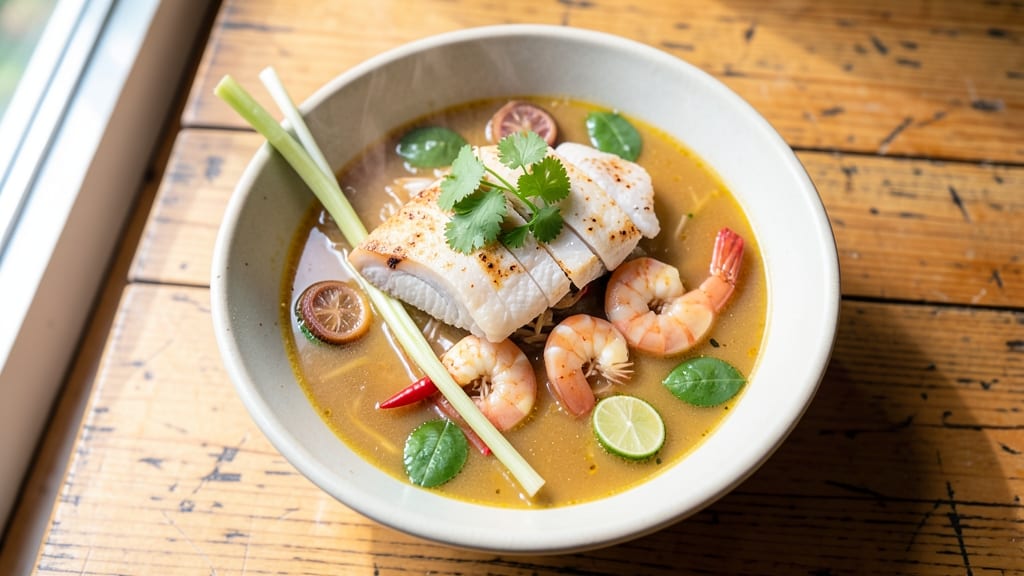
This tomyam soup recipe delivers the bold, tangy, and aromatic essence of Thai street food in your own kitchen, where fermented shrimp and fresh herbs create a broth that dances between sour, spicy, and umami.
Growing up, I never imagined I'd master the balance of tamarind's tartness and chili's heat—until I spent a summer in Bangkok, where my host family insisted I learn. The secret lies in layering flavors precisely, starting with a fragrant lemongrass and galangal base that simmers into a golden, aromatic foundation.
The broth is where the magic happens—30 minutes of slow simmering transforms simple ingredients into something deeply complex. You'll work with fresh galangal (if you can't find it, ginger works in a pinch), kaffir lime leaves, and a splash of fish sauce that adds that signature umami depth.
The fermented shrimp paste, or kapi, is non-negotiable—it's the soul of tomyam, delivering a funky, salty richness that no substitute can match. This isn't just a soup; it's a flavor journey that begins with the first sip of that bright, herbal broth.
What you'll end up with is a pescatarian-friendly bowl of steaming goodness—tender white fish or shrimp swimming in a broth that's tangy enough to make your lips pucker, spicy enough to wake up your palate, and aromatic enough to fill your kitchen with the scent of Thailand.
The herbs at the end—cilantro, Thai basil, and bean sprouts—add freshness that cuts through the richness, while a squeeze of lime brightens every bite. Serve it with steamed jasmine rice to soak up every last drop of that incredible broth.
This recipe is designed to be foolproof, even for beginners, but the key to success is patience—especially when balancing the tamarind and fish sauce. Too much of either, and you'll throw off the delicate harmony.
Trust the process, and you'll have a bowl of tomyam that rivals your favorite Thai restaurant. Let's get cooking—your taste buds are in for a treat.
Ingredients for tomyam soup
Bold flavors start with these aromatic herbs and fermented shrimp paste—simple ingredients for a complex soup.
| Ingredient | Amount | Notes |
|---|---|---|
| Fresh Lemongrass Stalks 🌿 | 4 whole | Bruised and cut into 2-inch pieces |
| Fresh Galangal 🌿 | 3 oz | Peeled and sliced thinly |
| Kaffir Lime Leaves 🍋 | 4 whole | Bruised and torn into pieces |
| Fermented Shrimp Paste (Kapi) 🦐 | 2 tbsp | Thai brand preferred |
| White Fish Fillets 🐟 | 1 lb | Cod or snapper preferred |
| Shrimp 🦐 | 1 lb | Peeled and deveined |
| Tamarind Paste 🍯 | 2 tbsp | Adjust for tartness |
| Fish Sauce 💧 | 2 tbsp | Red Boat preferred |
| Thai Bird's Eye Chilies 🌶️ | 4 whole | Seeds removed for mild heat |
| Garlic Cloves 🧄 | 6 cloves | Minced finely |
| Shallots 🧅 | 3 whole | Peeled and sliced thin |
| Coconut Milk 🥥 | 1 cup | Full-fat for creaminess |
| Fresh Cilantro 🌿 | ¼ cup | Chopped for garnish |
| Thai Basil Leaves 🌿 | ¼ cup | Packed loosely |
| Bean Sprouts 🌱 | 1 cup | Fresh for crunch |
| Lime Wedges 🍋 | 2 whole | For serving |
| Jasmine Rice 🍚 | 1 ½ cups | Uncooked for serving |
| Salt 🧂 | 1 tsp | Adjust to taste |
The galangal and lemongrass are non-negotiable—Thai markets have the freshest, but most grocery stores carry them now. Look for galangal with tight, pale skin and no soft spots. Costco often sells fermented shrimp paste in jars, but if you can't find it, Asian grocery stores have it in smaller packages. The kaffir lime leaves should be vibrant green; if they're yellowing, skip them. For the fish, cod or snapper holds up best to the tangy broth—avoid flaky fish like tilapia. I always grab extra lime wedges because nothing brightens the soup like fresh juice at the end.
No galangal? Ginger at half the amount works in a pinch, but trust me—it's not the same. Can't find kaffir lime leaves? Regular lime zest plus a splash of lime juice adds brightness. The tamarind paste can be sticky; if it's too thick, mix it with a splash of warm water. Red Boat fish sauce is my go-to, but any good-quality brand works. For heat, adjust the chilies—leave seeds in for more kick. The coconut milk adds richness, but if you're avoiding dairy, light coconut milk still works.
This soup tastes even better the next day—3-4 days in the fridge, covered. Freezes beautifully for 3 months if you make a big batch. I always double the herbs and store them separately so I can add fresh garnish when reheating. The rice? Cook it ahead and keep it warm—jasmine rice absorbs the broth perfectly. Serve with extra lime wedges because you'll want to squeeze more than you think.
Why You'll Love This Recipe
- No-Fuss Simmer: I swear by this soup because it’s all about the slow, hands-off magic. Toss in the lemongrass and galangal, let it steep in simmering water—no stirring required—and the broth builds flavor while you prep the rest. Honestly, the hardest part is remembering to check it after 20 minutes.
- Umami Bomb: That fermented shrimp paste (kapi) is where this dish gets its soul. One teaspoon, toasted until fragrant, and suddenly your soup has this deep, funky richness that cuts through the fish’s mildness. I’ll be real: it’s the secret weapon—no one ever guesses it’s just a little paste.
- Leftovers That Shine: This soup actually improves the next day. The flavors meld even more, and the fish stays tender. I make a big batch on Sundays, and by Wednesday, it’s my go-to lunch—just reheat with a splash of water, and it’s like new. (Yes, even on a Tuesday night.)
- Herb Swap Flexibility: Stuck with wilted kaffir lime leaves? Use Thai basil. No galangal? Ginger works in a pinch. The beauty of tomyam is that it forgives. I’ve made it with whatever’s in my fridge, and as long as you nail the kapi and lemongrass, it’s still reliably good. My secret weapon for lazy grocery days.
Step-by-step instructions for tomyam soup
Here's how to craft this vibrant, aromatic soup with layers of tangy heat and umami richness.
Prepare the Aromatic Base
In a large pot, combine the 4 whole fresh lemongrass stalks (bruised and cut into 2-inch pieces), 3 oz fresh galangal (peeled and sliced thinly), 4 whole kaffir lime leaves (bruised and torn), and 3 whole shallots (peeled and sliced). Add 6 cloves minced garlic and 4 whole Thai bird's eye chilies (seeds removed). Stir gently to combine all aromatics.
Heat the pot over medium heat and let the aromatics cook for 5-7 minutes until the shallots soften and the mixture releases its fragrant oils. You'll smell the lemongrass and galangal's citrusy, peppery notes mingling with the garlic's sharp aroma. This foundational step builds the soup's complex flavor profile, so don't rush it.
Build the Tangy, Savory Broth
Add 2 tablespoons fermented shrimp paste (kapi) to the pot and stir vigorously for 30 seconds to distribute the paste evenly. The mixture will darken slightly as the kapi's deep umami flavor infuses the aromatics. Then pour in 2 tablespoons tamarind paste and 2 tablespoons fish sauce, stirring constantly for another 1 minute until fully incorporated.
Gradually add 4 cups water (enough to cover the aromatics) and bring to a gentle boil. Once boiling, reduce heat to medium-low and let it simmer uncovered for 10 minutes. This allows the flavors to meld while the tamarind develops its signature tangy brightness. The broth should smell intensely aromatic with notes of fermented shrimp, citrus, and spice.
Cook the Protein and Finish the Soup
Add the 1 lb white fish fillets and 1 lb shrimp (peeled and deveined) to the simmering broth. Gently stir once to submerge the seafood completely. Cook for 3-4 minutes until the shrimp turns opaque pink and the fish flakes easily when tested with a fork. The broth should be hot enough to cook the seafood through without overcooking it.
Remove the pot from heat and stir in 1 cup coconut milk until smooth. The soup will take on a creamy, golden hue. Taste and adjust seasoning with additional fish sauce (for saltiness) or tamarind paste (for tang). The perfect balance should be tangy, salty, and slightly sweet with a lingering spicy heat.
Assemble and Serve
Divide 1.5 cups cooked jasmine rice among serving bowls. Ladle the hot tomyam soup over the rice, ensuring each serving gets a generous portion of fish and shrimp. Garnish each bowl with 0.25 cup chopped fresh cilantro and 0.25 cup packed Thai basil leaves, then top with 1 cup bean sprouts for fresh crunch.
Serve immediately with 2 lime wedges on the side. The lime adds a bright, acidic contrast that cuts through the richness of the coconut milk and balances the fermented shrimp's intensity. Each spoonful should deliver a harmonious blend of spicy, tangy, creamy, and umami flavors that make this soup truly unforgettable.
Pro Tips For Making Tomyam Soup
- Bruise the Galangal: I used to slice galangal thinly like ginger, but that just gives you a milder, less aromatic broth. Instead, smash the chunks with the flat side of your knife—hard enough to break fibers but not turn them to mush. This releases the resinous oils that make tomyam’s signature depth. (Yes, it looks brutal, but your soup will thank you.)
- Bloom the Kapi: Skip the "toss it in" approach—fermented shrimp paste (kapi) needs time to sing. Fry it in a dry pot for 30 seconds until it’s fragrant and slightly darkened before adding liquid. This step stops the paste from tasting raw and sharp, letting its umami melt into the broth instead of clinging to the fish like a bitter afterthought.
- Simmer, Don’t Boil: Once your broth is built, drop the heat to a bare simmer—just enough to see tiny bubbles at the edges, not a rolling boil. Tomyam’s delicate flavors evaporate fast, and a hard boil turns it flat. I learned this after making a batch that tasted like "soup water" because I panicked and cranked the heat. (Your fish will stay tender too.)
- Save the Lime Leaves: Don’t tear kaffir lime leaves—toss them whole into the broth, then fish them out before serving. Tearing releases bitter tannins that overpower the soup’s balance. Whole leaves infuse gently, then you can crush one or two over the finished dish for aroma without the harshness. (I used to ignore this and wondered why my tomyam tasted like soap.)
Wine and beer pairings for this recipe
Thai White Wine
For a classic pairing, reach for a crisp Thai white wine like Riesling or Pinot Grigio from Thailand's vineyards. The Chao Phraya Riesling from Thailand's vineyards (like those in Khao Yai) has a bright acidity that mirrors the soup's tangy tamarind and balances the fermented shrimp's funk.
I once sipped a Riesling with my first bowl of tomyam in Bangkok—it was like a flavor hug. 🍷
Light Beer Options
A Thai lager like Singha or Leo is perfect—its light body and subtle malt sweetness won't overpower the soup's complexity. For a craft twist, try a wheat beer with citrus notes, like Portland's Breakside Brewery's "Hazy Little Thing" (my local favorite). The effervescence cleanses your palate between spicy bites. 🍺
Rosé for Balance
If you prefer red, a dry rosé from Provence or California works surprisingly well. The strawberry and citrus notes in a dry rosé (like Whispering Angel) complement the shrimp and coconut milk's creaminess.
I keep a bottle of Bonny Doon "Vineyard Defender" in my fridge—it's my go-to for bold, tangy dishes. 🍇
Avoid Heavy Reds
Skip bold reds like Cabernet Sauvignon or Syrah—their tannins clash with the soup's fermented funk and coconut richness. Even Pinot Noir can be too heavy; opt for a light red like Gamay if you must go red.
The last time I paired tomyam with a full-bodied red, the flavors fought instead of danced. 🚫
Non-Alcoholic Pairings
For a refreshing non-alcoholic match, try Thai iced tea (sweetened with condensed milk) or sparkling lime soda like San Pellegrino Limonata. The effervescence and citrus brightness echo the soup's tangy-spicy profile. I often serve this with homemade coconut water on hot days—it’s a match made in flavor heaven. 🥤
Nutrition facts
Frequently asked questions
Can I substitute fermented shrimp paste (kapi) in this recipe?
Fermented shrimp paste is essential for authentic flavor, but you can use 2 tablespoons of fish sauce plus 1 teaspoon of shrimp paste powder in a pinch. For best results, find Thai kapi at Asian markets—it's the soul of tomyam! The funky umami can't be replicated with other pastes like miso or oyster sauce.
How do I adjust the spice level for sensitive eaters?
Remove all seeds from the Thai bird's eye chilies and reduce the quantity to 2-3 chilies instead of 4. For extra mild, omit them entirely and add ½ teaspoon of sugar to balance the tang. The broth's heat comes from both chilies and fermented shrimp—both can be dialed back.
What's the best way to store leftovers?
Let the soup cool completely, then store in an airtight container in the fridge for up to 3-4 days. For longer storage, freeze portions for 3 months. Reheat gently on low heat—never microwave directly. Add a splash of water if the broth thickens too much when reheating.
Can I make this soup vegetarian?
Tomyam traditionally includes seafood, but you can adapt it by using mushrooms and tofu instead of fish/shrimp. Replace kapi with 1 tablespoon soy sauce plus 1 teaspoon mushroom powder for umami. The broth will still be tangy and aromatic, though the texture will differ. Serve with extra herbs to brighten the dish.
Why does my broth taste too bitter?
Overcooking the aromatics (galangal, lemongrass) or using old ingredients causes bitterness. Simmer the broth for only 10 minutes after adding water, and use fresh galangal—it should be pale and firm. If it's already bitter, stir in ½ teaspoon sugar or a splash of coconut milk to balance the flavors.