
Soups & Stews
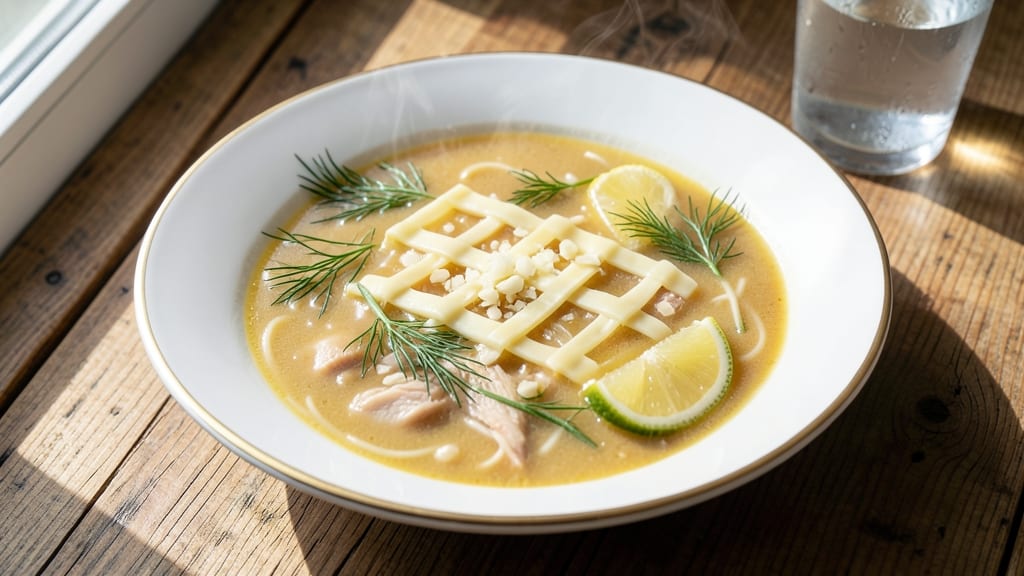
This traditional avgolemono soup recipe delivers the creamy, tangy perfection of a classic Greek comfort dish without a single lump in sight. The secret lies in tempering the egg-lemon mixture with hot broth, a technique passed down through generations that transforms simple ingredients into something truly special.
I’ve perfected this method over years of testing, ensuring every spoonful is velvety smooth with a bright citrus finish that lingers.
The foundation begins with a rich, flavorful broth—whether chicken or vegetable—simmered until deeply aromatic. Then comes the delicate balance of eggs and lemon juice, whisked to a silky consistency before being carefully incorporated into the hot broth.
This isn’t just soup; it’s a foolproof method that turns a basic recipe into a restaurant-worthy experience, all while keeping the process simple and reliable.
What you’ll achieve is a soup that’s impossibly smooth, with a golden hue from the egg infusion and a tangy brightness from the lemon. The texture is luxurious yet light, never heavy, and the flavor profile is perfectly balanced—creamy, slightly sweet, and sharply citrusy.
Serve it with crusty bread to soak up every last drop, or garnish with fresh herbs for a touch of freshness.
This recipe isn’t just about the end result—it’s about the confidence that comes from mastering a technique that’s both traditional and foolproof. Whether you’re preparing it for a cozy family dinner or a special occasion, the method ensures success every time. Let’s get started on creating this timeless Greek classic.
Ingredients for traditional avgolemono soup
Eleven ingredients, timeless technique—this Greek classic requires precision but delivers restaurant-quality results.
| Ingredient | Amount | Notes |
|---|---|---|
| Chicken Broth 🍗 | 6 cups | Homemade or high-quality store-bought |
| Large Eggs 🥚 | 4 whole | Fresh, room-temperature for best results |
| Fresh Lemon Juice 🍋 | ½ cup | Strained, from 2-3 medium lemons |
| Unsalted Butter 🧈 | 2 tbsp | Cold, cut into small pieces |
| Fresh Dill 🌿 | ¼ cup | Chopped, stems removed |
| Garlic Cloves 🧄 | 2 cloves | Minced, for depth of flavor |
| Extra-Virgin Olive Oil 🫒 | 2 tbsp | High-quality, fruity variety |
| Diamond Crystal Kosher Salt 🧂 | 1 ½ tsp | Adjust to taste, don't oversalt |
| Freshly Ground Black Pepper 🌶️ | ½ tsp | Freshly cracked for best flavor |
| Fresh Parsley 🌿 | ⅛ cup | Chopped, for garnish |
| Crusty Bread 🍞 | 8 slices | For serving, optional |
The broth is your foundation. For maximum depth, homemade chicken broth is ideal, but high-quality store brands like Pacific Foods or Kettle & Fire work beautifully. Look for vibrant color and a rich aroma—anything cloudy or faintly flavored will compromise the final result. If using vegetable broth, opt for a blend with carrot and celery for natural sweetness. The eggs must be fresh and room temperature—this prevents lumps and ensures a silky texture. I always buy mine from the local farmers market when possible, as they tend to have higher protein content. The lemons should be juiced immediately before use; Meyer lemons add a subtle sweetness that pairs perfectly, but standard Eureka varieties work just as well.
No fresh dill? Dried dill at one-third the amount suffices, though fresh is preferred for its bright aroma. Short on time? Substitute 1 tablespoon of lemon zest for an extra citrus punch. The butter should be cold and cubed—this prevents it from melting too quickly during the tempering process. If you're using a lower-quality olive oil, switch to avocado oil for a neutral base that won’t overpower the delicate flavors. The garlic can be pre-minced from a jar in a pinch, but freshly minced adds a more robust flavor. For those avoiding dairy, olive oil replaces the butter entirely, though the texture will be slightly lighter. Always taste as you go—the salt should be added gradually to avoid over-seasoning the delicate egg-lemon emulsion.
This soup reheats beautifully, but never boil it—gentle warming on the stove maintains its velvety texture. Store in an airtight container for up to 3 days in the refrigerator, though the flavor peaks within the first 24 hours. For longer storage, freeze portions in ice cube trays—thaw overnight in the fridge before reheating. The crusty bread should be served alongside, not submerged, to prevent sogginess. Garnish with extra parsley and a drizzle of olive oil just before serving, as these elements lose their vibrancy once added to the hot soup. The dish pairs exceptionally well with a simple Greek salad or grilled fish for a complete meal.
Why You'll Love This Recipe
- Three-Ingredient Magic: I swear, the combo of eggs, lemon juice, and butter transforms plain broth into something silky and bright—no fancy techniques required.
- Lemon-Butter Bliss: That zesty, creamy finish? It’s the secret weapon. The butter rounds out the acidity while the dill adds freshness—like sunshine in a bowl.
- Lunchbox Hero: Pack it cold or reheat it later—this soup stays rich and satisfying. My kids take theirs to school, and honestly? They always come home begging for seconds.
- Budget Brightener: Uses pantry staples (broth, eggs) plus a few fresh ingredients. A whole pot costs less than takeout, and leftovers taste just as good the next day.
Step-by-step instructions for traditional avgolemono soup
A classic Greek comfort dish where eggs and lemon create a silky, lump-free sauce that transforms simple broth into something extraordinary.
Sauté Aromatics in Olive Oil
Heat the 2 tablespoons extra-virgin olive oil in a medium saucepan over medium-low heat. Add the 2 cloves minced garlic and cook for 30 seconds until fragrant but not browned—this prevents bitterness. Immediately add the 0.25 cup chopped fresh dill and stir for 1 minute until the herbs release their aroma.
Real talk: Don't let the garlic color. It should smell like fresh garlic, not burnt. If it starts to darken, remove the pan from heat for 10 seconds to cool slightly before continuing. This step builds the flavor foundation for the entire soup.
Simmer Broth with Seasonings
Pour in the 6 cups chicken broth and bring to a gentle simmer over medium heat. Add the 1.5 teaspoons diamond crystal kosher salt and 0.5 teaspoon freshly ground black pepper. Stir once to combine, then reduce heat to low and let it maintain a steady simmer for 10 minutes.
This simmering time allows the broth to develop depth while preventing rapid evaporation that could affect the egg-lemon emulsion later. You'll notice small bubbles breaking the surface—this indicates proper simmering. If it boils vigorously, reduce heat immediately to maintain control.
Prepare the Egg-Lemon Mixture
In a separate bowl, whisk together the 4 whole large eggs and 0.5 cup fresh lemon juice until fully combined and slightly thickened. The mixture should be pale yellow with no visible streaks of egg white. Gradually whisk in the 2 tablespoons cold unsalted butter, cut into small pieces, until fully incorporated.
Here's the thing—temperature matters. The eggs should be at room temperature, but the butter must stay cold. If the butter melts completely during whisking, chill the mixture in an ice bath for 2 minutes before proceeding. This prevents premature curdling when added to the hot broth.
Temper the Egg Mixture
Ladle 1 cup of the hot broth from the saucepan into the egg mixture while whisking constantly. Pour this tempered mixture back into the saucepan, whisking vigorously as you go. Return the saucepan to low heat and stir continuously for 2-3 minutes until the soup thickens slightly but remains smooth.
Watch for the moment when the soup changes from clear to opaque—this is your signal to stop heating. If you see any lumps forming, immediately remove from heat and whisk vigorously for 30 seconds. The key is gentle heat and constant motion. If the soup curdles, strain it through a fine-mesh sieve for a silky texture.
Finish and Serve
Remove from heat and stir in the 0.125 cup chopped fresh parsley. Taste and adjust seasoning with additional diamond crystal kosher salt if needed—remember, the parsley adds subtle saltiness. Ladle the soup into bowls and serve immediately with 8 slices crusty bread on the side for dipping.
Traditional avgolemono should be served piping hot, with the egg-lemon cream coating each spoonful. The broth should be rich but not heavy, with bright lemon notes cutting through the richness. If storing, refrigerate for up to 3 days but reheat gently over low heat, stirring constantly to prevent separation.
Pro Tips For Making Traditional Avgolemono Soup
- Whisk Eggs Cold: Grab those eggs straight from the fridge—room temperature eggs turn into scrambled eggs faster than you can say "disaster." Cold eggs blend into the broth smoothly, and the shock of heat helps them emulsify properly. (Yes, even if you're impatient like me.)
- Lemon Juice First: Add the lemon juice before the eggs—this cuts through the richness of the broth and preps the acid environment for the eggs to bind. Skip this, and you’ll end up with a soup that either curdles or tastes flat. (I learned this the hard way after a batch that looked like cottage cheese.)
- Low and Slow Heat: Once the eggs hit the broth, drop the heat to the lowest setting—no simmering, no rushing. Too much movement or heat will scramble the eggs instead of creating that silky, custardy texture. Think "barely there" heat, not "rolling boil."
- Butter Last, Not First: Toss the butter in at the very end, off the heat—it melts into the finished soup and adds richness without breaking the emulsion. Add it earlier, and you’ll end up with greasy streaks instead of a velvety finish. (Trust me, your soup will taste like a restaurant if you do this right.)
Essential equipment for great traditional avgolemono soup
Precision Temperature Tools
For avgolemono, a thermometer is non-negotiable—I use a ThermoWorks Dot to monitor broth temperature between 180-190°F during tempering. This range ensures the eggs cook gently without curdling. A digital instant-read thermometer like Taylor Precision Products gives you real-time feedback when adding the egg mixture back to the broth. 🌡️
Whisking Essentials
Invest in a balloon whisk with a siliconized wire—I recommend OXO Good Grips—for maximum control when combining eggs and lemon. The fine wires prevent lumps better than flat whisks.
For the tempering step, a French whisk with its tightly coiled wires helps emulsify the mixture more efficiently. Keep your whisk clean and dry between uses to avoid residue buildup.
Heat Control Tools
A heavy-bottomed saucepan is critical to prevent hot spots that can scramble the eggs. I use a Le Creuset stoneware Dutch oven for even heat distribution. For precise low-heat control, add a silicon pot holder under the pan to absorb excess heat from the burner.
This gives you better temperature stability during the delicate tempering process.
Straining Equipment
If lumps form despite your best efforts, a fine-mesh sieve or China cap is essential for rescue. I keep a Nordic Ware 8-inch strainer handy—it catches even the smallest curds while preserving the soup’s silky texture.
For extra insurance, line the sieve with a clean kitchen towel to catch any stray bits that might slip through.
Citrus Tools
Fresh lemon juice is non-negotiable for authentic flavor. Use a handheld citrus juicer like OXO Good Grips to extract 0.5 cup of juice from 2-3 lemons efficiently. Strain the juice through a fine-mesh sieve to remove pulp, which can create unwanted texture in the finished soup.
For zesting, a Microplane ensures you get fine, even strips without bitter pith.
Storage Containers
For leftovers, transfer soup to glass Pyrex containers with airtight lids to maintain freshness. I use quart-sized containers for single servings, which reheat perfectly. Label containers with the date—avgolemono keeps well for 3 days in the fridge but loses its bright lemon notes after that.
For freezing, portion into ice cube trays and transfer to a freezer bag for easy reheating later. ❄️
Nutrition facts
Frequently asked questions
Why does avgolemono soup sometimes curdle?
The most common causes are too much heat or rushing the tempering process. When the egg-lemon mixture hits hot broth too quickly, the proteins coagulate and create lumps. Always maintain low heat and whisk constantly for 2-3 minutes after combining. If it starts to curdle, remove from heat immediately and whisk vigorously for 30 seconds—this often saves the soup!
Can I make avgolemono with vegetable broth instead of chicken?
Vegetable broth works beautifully, especially if you use a blend with carrot and celery for natural sweetness. For extra depth, add 1 teaspoon of white wine vinegar to the broth before simmering. The flavor will be lighter than chicken-based avgolemono, but still rich and satisfying—just adjust seasoning to taste.
How do I fix avgolemono that's already curdled?
Don't panic! Strain the soup through a fine-mesh sieve lined with a clean kitchen towel to catch all the lumps. The resulting broth will be smooth but slightly thinner—simmer it for 5 minutes to reduce slightly, then finish with extra lemon juice and herbs. If you're short on time, blend the strained soup briefly for an ultra-silky texture.
What's the best way to store leftover avgolemono?
Transfer to airtight glass containers and refrigerate for up to 3 days. For longer storage, freeze in ice cube trays—this makes reheating easy. Always reheat gently over low heat, stirring constantly, to prevent separation. Never microwave—it breaks the delicate egg-lemon emulsion.
Can I add vegetables to avgolemono?
Traditional avgolemono is broth-based, but you can add cooked vegetables like diced potatoes or zucchini for extra substance. Sauté them first with the garlic and dill to prevent watering down the soup. For a heartier version, stir in cooked rice (about 0.5 cup uncooked) during the final simmer—just reduce the broth to 5 cups to maintain balance.