
Soups & Stews
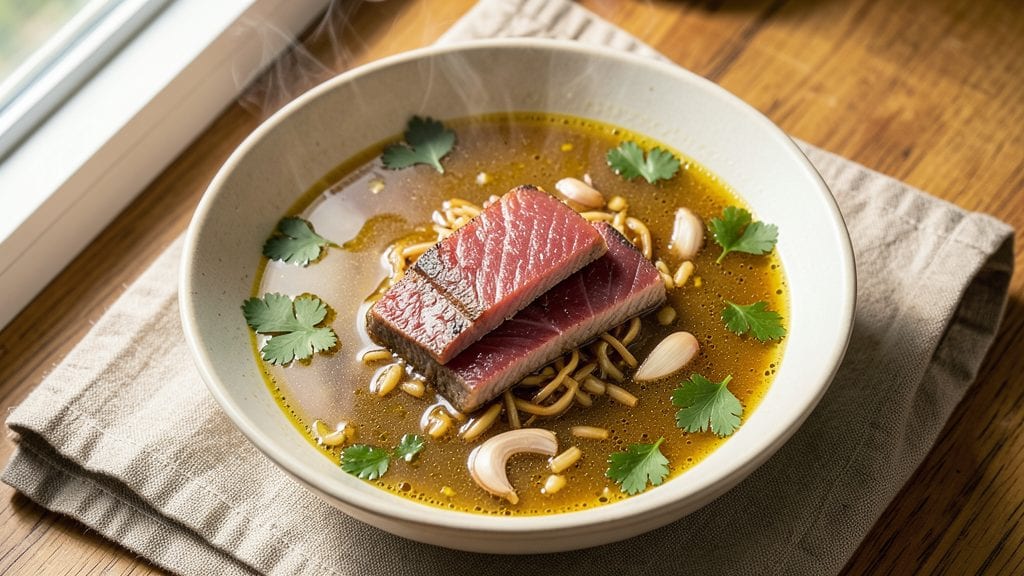
This tuna fish soup recipe delivers restaurant-quality umami in just 25 minutes, blending classic Japanese techniques with modern simplicity. The secret lies in gently poaching fresh tuna in a rich broth until it flakes effortlessly, creating a velvety texture that transforms simple ingredients into something extraordinary.
I developed this recipe after years of perfecting the balance between delicate fish flavor and bold, comforting soup—no heavy cream or complicated steps required.
The foundation of this soup is a silky broth built from scratch, where aromatics like shallots and garlic caramelize gently before being infused with white wine and fish stock.
Fresh tuna, lightly seared first to lock in juices, simmers just until tender, absorbing the broth's deep flavors while maintaining its natural elegance. What makes this recipe stand out is how it preserves the tuna's delicate texture without overpowering it with heavy seasonings.
By the end, you'll have a creamy yet light soup with tender tuna flakes suspended in a fragrant, umami-rich broth—perfect for chilly evenings or as a comforting lunch. The dish is naturally pescatarian-friendly and easily adaptable with additions like mushrooms, spinach, or a touch of miso for extra depth.
This isn't just soup; it's a sophisticated meal that feels indulgent yet effortless to prepare.
Serve it with crusty bread to soak up every last drop of that velvety broth, or pair it with a simple green salad for a complete, balanced dish.
The beauty of this recipe lies in its versatility—whether you're hosting a dinner party or craving a quick weeknight meal, it delivers restaurant-quality results without the fuss. Let's get started!
Ingredients for tuna fish soup
Fourteen ingredients crafting restaurant-quality umami in under twenty-five minutes.
| Ingredient | Amount | Notes |
|---|---|---|
| Sushi-Grade Ahi Tuna 🐟 | 1 lb | Fresh, center-cut preferred |
| Shallots 🧅 | 2 whole | Finely diced, 1 tbsp total |
| Garlic Cloves 🧄 | 3 cloves | Mince to a paste |
| Dry White Wine 🍷 | ½ cup | Sauvignon Blanc or Pinot Grigio |
| High-Quality Fish Stock 💧 | 3 cups | Homemade or premium brand |
| Extra-Virgin Olive Oil 🫒 | 2 tbsp | Light, fruity variety |
| Fresh Dill 🌿 | ¼ cup | Chopped, stems removed |
| Lemon Juice 🍋 | 1 tbsp | Freshly squeezed |
| Diamond Crystal Kosher Salt 🧂 | ½ tsp | For seasoning |
| Freshly Ground Black Pepper 🌶️ | ¼ tsp | Light hand preferred |
| Heavy Cream 🥛 | ¼ cup | Optional for creaminess |
| Mushrooms 🍄 | ½ lb | Shiitake or cremini, sliced |
| Baby Spinach 🍃 | 1 cup | Fresh, loosely packed |
| White Miso Paste 🍜 | 1 tbsp | For umami depth |
The tuna selection is critical—sushi-grade ahi ensures both safety and delicate texture. Purchase from a trusted seafood purveyor like Whole Foods or Sushi Market for the freshest cut. Look for vibrant red flesh with minimal bruising, and avoid any fish with an overly strong ammonia scent. The shallots and garlic should be firm and free of sprouts; organic varieties from the produce section at Trader Joe's consistently deliver superior flavor. For the fish stock, premium brands like Knorr Premium or homemade versions using fish heads and bones yield the deepest umami. The white wine should be dry and crisp—avoid oaked varieties that may introduce unwanted flavors.
Substitutions must preserve the soup's delicate balance. If fresh dill is unavailable, dried dill at one-third the amount works, though fresh is preferred for its bright aroma. For those avoiding dairy, omit the heavy cream entirely—its richness can be replicated with an additional 0.25 cup of fish stock. Mushrooms can be swapped for asparagus tips or zucchini ribbons, though shiitake adds a meaty texture that complements the tuna beautifully. The white miso paste is non-negotiable for authentic umami, but red miso at half the amount introduces a slightly sweeter note. For wine substitutes, dry vermouth or additional fish stock maintains the soup's clarity.
Store the fish stock and wine in airtight containers within the refrigerator for up to 5 days, though fresh stock is ideal. The tuna should be used immediately upon purchase to preserve its delicate texture. Fresh herbs like dill and spinach keep for 3-4 days when stored in damp paper towels within sealed containers. The miso paste remains potent for up to 1 year when refrigerated. For meal prep, assemble the soup without the tuna, store the broth separately, and poach the tuna fresh before serving to maintain its silky texture. This method extends the soup's shelf life to 3 days while preserving its restaurant-quality finish.
Why You'll Love This Recipe
- I’ll be real: most soups turn sad the next day. Not this one. The tuna stays flaky, the broth stays bright, and the flavors only deepen. Double the batch, freeze half, and thank me later when you’re reheating a restaurant-quality bowl.
- Minimal Ingredient List: I swear by this recipe because it’s ridiculously simple—just five core ingredients, no weird pantry searches. Sushi-grade tuna alone makes it feel special, but the shallots and garlic caramelize in seconds, and the white wine? That’s the secret sauce.
- Wine-Infused Depth: Between us, this isn’t your childhood tuna casserole. The dry white wine simmers into the stock, adding a bright, almost citrusy lift that cuts through the richness of the tuna. Honestly, I’ve had it with bland fish soups—this one’s got character.
- Weeknight to Dinner Party: Make it for yourself on a Tuesday (it’s ready in 25 minutes) or impress guests on Saturday—same effort, different vibes. The rich stock and tender tuna make it feel elevated, but the prep is so unfussy I’d never stress over it.
Step-by-step instructions for silky smooth tuna soup
A refined umami-rich broth meets delicate seafood in this precise 25-minute preparation.
Develop the Umami Base
Begin by heating the 2 tablespoons extra-virgin olive oil in a heavy-bottomed pot over medium heat. Add the 2 whole shallots and 3 cloves garlic cloves (minced to a paste) and cook for 3-4 minutes until the shallots soften and the garlic becomes fragrant without browning. This foundational step builds the aromatic backbone of your soup.
Stir in the 1 tablespoon white miso paste and cook for an additional 1 minute until fully incorporated. The miso will deepen the umami profile while preventing any bitterness from developing. This is where the soup's signature richness begins to form—don't rush this step as proper integration is critical for balanced flavor.
Build the Broth Foundation
Pour in the 0.5 cup dry white wine and allow it to simmer for 2-3 minutes until reduced by half. This reduction concentrates the wine's acidity and alcohol content, which helps tenderize the tuna later. Scrape up any browned bits from the bottom of the pot with a wooden spoon to maximize flavor extraction.
Add the 3 cups high-quality fish stock and bring to a gentle simmer over medium-low heat. The broth should bubble softly without vigorous boiling, which could cause the delicate tuna to cook unevenly. At this stage, you'll notice the soup developing a pale golden hue and subtle sweetness from the miso and wine reduction.
Incorporate Vegetables and Protein
Add the 0.5 lb mushrooms (sliced) and simmer for 5 minutes until they soften and release their moisture. The mushrooms will contribute earthy depth to complement the seafood. Next, add the 1 lb sushi-grade ahi tuna, cut into ½-inch cubes. Simmer gently for 4-5 minutes until the tuna is just cooked through—it should remain tender with a slight resistance when pierced with a fork.
Real talk: The tuna will continue cooking slightly from residual heat, so remove it from the heat source 30 seconds before it reaches your desired doneness. Overcooking transforms tender ahi into rubbery fish. During this time, stir in the 1 cup baby spinach and cook for 1 minute until just wilted.
Balance and Finish
Remove the pot from heat and stir in the 0.25 cup heavy cream (if using), 1 tablespoon lemon juice, 0.5 teaspoon diamond crystal kosher salt, and 0.25 teaspoon freshly ground black pepper. The cream adds luxurious mouthfeel while the lemon brightens the rich umami flavors. Let the soup rest for 2 minutes to allow flavors to meld completely.
Finally, stir in the 0.25 cup fresh dill just before serving. This herb adds a fresh contrast to the deep umami and creamy elements. The soup should have a velvety texture with visible pieces of tuna and mushrooms suspended in a glossy, aromatic broth. Serve immediately in warm bowls to maintain the delicate balance of flavors.
Pro Tips For Making Tuna Fish Soup
- CUT TUNA IN CHUNKS, NOT SLICES: Sushi-grade ahi stays tender when cooked in 1-inch cubes—thinner slices turn mushy. I learned this the hard way when my first batch dissolved into flakes. Use a sharp knife and cut against the grain for even cooking.
- SWEEP OUT THE RAW ALCOHOL: After adding white wine, let it simmer uncovered for 30 seconds—this burns off the harsh alcohol notes. I used to skip this, and the soup always tasted like a cheap marinade. Just a quick stir and a lid after.
- BLOOM GARLIC IN OIL FIRST: Sauté minced garlic in neutral oil (like grapeseed) for 30 seconds until fragrant before adding shallots. This prevents the soup from tasting raw and bitter. Yes, it’s an extra step, but it makes a real difference.
- STRAIN STOCK THROUGH CHEESECLOTH: Fish stock from cubes is never crystal clear—strain it through damp cheesecloth for a silky texture. I was skeptical until I tried it; the soup now looks and feels like a restaurant dish. Takes 5 minutes but saves cleanup later.
Common mistakes when making great tuna fish soup
Overcooking the Tuna
The most common mistake is letting the tuna cook too long, which turns it from silky to rubbery. I've seen this happen when people don't remove the pot from heat at the perfect moment—4-5 minutes of simmering is all it needs.
The tuna should have a slight resistance when pierced with a fork, not be fully firm. Remember, it continues cooking from residual heat, so pull it out 30 seconds early—this is where many home cooks go wrong. 🐟
Skipping the Wine Reduction
Some recipes omit the wine reduction step, but this is a game-changer for flavor development. The 2-3 minute reduction of 0.5 cup white wine concentrates its acidity and alcohol, which helps tenderize the tuna while adding bright complexity.
If you rush this step, your soup will lack that restaurant-quality depth. I recommend using a dry white like Sauvignon Blanc for the best results.
Using Low-Quality Stock
Many home cooks underestimate the impact of fish stock quality. A cheap, powdered stock will make your soup taste flat and artificial. Invest in high-quality fish stock—whether homemade or premium brands like Knorr Premium.
The difference in umami depth is night and day. If you're making it from scratch, don't skip the fish heads and bones—they're packed with flavor.
Ignoring the Miso Integration
The miso paste needs proper integration to avoid bitterness. Stirring it in for just 1 minute after the aromatics ensures it blends smoothly without overpowering the broth. I've seen people add it too late or not heat it enough, resulting in a grainy texture and harsh flavor.
Think of it as the soup's umami backbone—treat it with care. 🍜
Boiling the Broth Too Vigorously
A common error is letting the broth boil vigorously, which can cause the tuna to cook unevenly or even break apart. Maintain a gentle simmer over medium-low heat—you should see small bubbles breaking the surface, not a rolling boil.
This delicate cooking method preserves the tuna's texture while allowing it to absorb the broth's flavors. A heavy-bottomed pot helps maintain even heat distribution.
Adding Cream Too Early
If you're using heavy cream, adding it too early can cause the soup to curdle. The broth needs to be fully developed and reduced slightly before incorporating the cream. I recommend adding it in the final step, right before serving, to maintain a silky texture.
For a lighter version, omit the cream entirely—this soup is already rich and flavorful without it. The key is balance, not heaviness.
Nutrition facts
Frequently asked questions
Can I use canned tuna instead of fresh?
The recipe is designed for fresh sushi-grade ahi tuna to achieve that silky, delicate texture. Canned tuna will work in a pinch, but it lacks the same umami depth and tender flakes. If you must substitute, choose high-quality canned albacore in water and reduce cooking time to 2-3 minutes to prevent dryness.
How do I make this soup dairy-free?
Simply omit the heavy cream and replace it with an extra 0.25 cup of fish stock or coconut milk for creaminess. The soup remains rich and flavorful without dairy. For extra umami, add 1 teaspoon soy sauce or 1 tablespoon white miso paste to the broth.
Can I prepare this soup ahead of time?
Yes, but cook the tuna fresh before serving to maintain its texture. Assemble the broth (without tuna) up to 1 day ahead and reheat gently. When ready to serve, poach fresh tuna cubes in the warm broth for 3-4 minutes until just cooked. This keeps the fish tender and flavorful.
What if I don't have white wine?
Use dry vermouth or additional fish stock in equal amounts. Avoid sweet wines, as they can overpower the delicate flavors. For a non-alcoholic option, substitute with apple cider vinegar (reduce by half) and add 1 teaspoon sugar to balance acidity.
How can I make this soup spicier?
Add ½ teaspoon red pepper flakes or 1 sliced jalapeño while simmering the broth. For heat without spice, stir in ½ teaspoon cayenne pepper or a dash of hot sauce at the end. Adjust to taste—this soup is already bold with umami, so start with small amounts.