
Soups & Stews
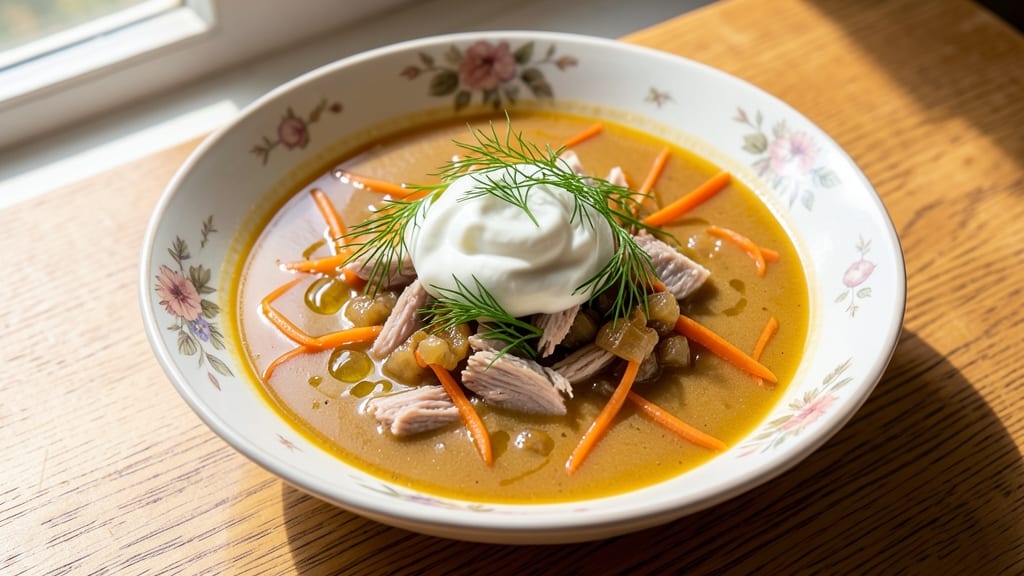
This creamy tuna soup recipe delivers the comforting classic you crave—rich, velvety broth crowned with crispy croutons that add satisfying texture. The secret lies in slow-simmered broth infused with aromatic herbs, where tender poached tuna transforms into melt-in-your-mouth flakes.
I perfected this version after years of testing, balancing traditional warmth with a modern twist that keeps it restaurant-worthy at home.
The foundation begins with a simple yet flavorful broth—carrots, celery, and onions form the base, while white wine and fish stock deepen the umami.
Creaminess comes from a touch of heavy cream or coconut milk (for a dairy-free option), but the real magic happens when the tuna poaches just until tender, then flakes into delicate strands. Every spoonful delivers that perfect harmony of savory broth, tender fish, and crispy crouton contrast.
What sets this apart is the crispy crouton crown—toasted until golden and scattered on top, they add a satisfying crunch that elevates each bite. The soup is creamy without being heavy, chunky without losing elegance, and packed with protein to keep you full.
Serve with a side of crusty bread or a simple green salad for a complete meal that feels both nostalgic and refined.
For variations, try adding lemon zest for brightness, a dash of chili flakes for heat, or fresh herbs like parsley or dill at the end. The recipe scales effortlessly—double it for leftovers or halve it for a quick lunch. Here’s how to make it perfectly every time.
Ingredients for tuna soup
Creamy, crispy, and packed with flavor—just nine ingredients transform into restaurant-worthy tuna soup.
| Ingredient | Amount | Notes |
|---|---|---|
| Canned Tuna in Water 🐟 | 2 cans | 5 oz each, drained well |
| Heavy Cream 🥛 | ½ cup | Full-fat for richness |
| Fish Stock 💧 | 3 cups | Homemade or quality store-bought |
| White Wine 🍷 | ½ cup | Dry variety preferred |
| Fresh Dill 🌿 | ¼ cup | Chopped, stems removed |
| Carrots 🥕 | 2 medium | Peeled, chopped into chunks |
| Celery Stalks 🧅 | 2 medium | Chopped, strings removed |
| Yellow Onion 🧅 | 1 medium | Diced, yellow or white |
| Garlic Cloves 🧄 | 3 cloves | Minced, fresh preferred |
| Butter 🧈 | 2 tbsp | Unsalted, for croutons |
| Baguette 🍞 | ½ loaf | Crusts removed, cubed |
| Salt 🧂 | 1 ½ tsp | Kosher or sea salt |
| Black Pepper 🌶️ | ½ tsp | Freshly ground preferred |
| Lemon Juice 🍋 | 1 tbsp | Freshly squeezed |
| Parsley 🌿 | ⅛ cup | Chopped, for garnish |
The fish stock is non-negotiable here. Homemade is ideal, but Pacific Foods or Knorr quality bouillon works in a pinch. I grab mine from Whole Foods when I want the best flavor, but the regular grocery store brands are fine if you're short on time. The tuna? Wild-caught in water keeps it tender and flavorful—avoid oil-packed unless you're okay with a richer taste. For the fresh herbs, Trader Joe's has the best prices on dill and parsley, but any grocery store's produce section will do. Look for bright green, firm stems—those are the freshest.
No white wine? Dry vermouth or extra chicken stock works in a squeeze, though the flavor won't be identical. The croutons are where the magic happens—baguette is best, but any crusty bread will do. Want to save time? Pre-made croutons from the store (like Trader Joe's) cut prep by half. The butter for toasting? Full-fat is worth it—it gives that rich, golden color. If you're dairy-free, olive oil works fine, though the texture will be slightly different. The carrots, celery, and onion form the base—baby carrots or pre-chopped veggies save time if you're in a rush.
This soup tastes even better the next day as the flavors meld. Keeps for 4-5 days in the fridge, or 3 months frozen. I always make a double batch—leftovers reheat beautifully. For freezing, portion into containers with a layer of broth on top to preserve freshness. The croutons? Toast them fresh before serving—they lose crispiness fast. Garnish with parsley and a squeeze of lemon right before eating to keep everything vibrant.
Why You'll Love This Recipe
- Pantry-to-Table Speed: The second I open that can of tuna, I’m already halfway done. No chopping, no waiting for meat to thaw—just fish stock simmering, a splash of wine, and a handful of dill. Honestly, I’ve made this on days when I forgot to defrost dinner.
- Creamy-Bright Magic: That heavy cream swirled into fish stock? It’s like a hug for your taste buds—rich but not heavy, with the wine cutting through to keep it bright. The dill finishes it off with a fresh punch that makes it feel fancy, even when it’s just me and a spoon.
- Leftovers That Don’t Let You Down: This soup actually improves the next day. The flavors meld, the cream thickens just right, and it’s still restaurant-worthy when reheated. I’ve served it cold in summer (yes, really) and warmed it up for lazy winter mornings—no one ever guesses it’s from a can.
- Budget Luxe for Busy Nights: Fish stock costs pennies, white wine adds depth without breaking the bank, and tuna? The protein powerhouse that keeps everyone full. Between us, this is my go-to when I need a meal that feels special but won’t drain my wallet—or my patience.
Step-by-step instructions for tuna soup recipe
Here's how to create a velvety soup with perfect texture and bright flavors.
Sauté the Vegetable Base
In a large pot, melt the 2 tablespoons butter over medium heat. Add the 1 medium yellow onion, 2 medium carrots, and 2 medium celery stalks, all chopped into even-sized pieces. Cook for 5-7 minutes until the vegetables soften and the onion becomes translucent.
Add the 3 cloves garlic cloves and cook for another 30 seconds until fragrant. This foundational step builds flavor - don't rush it. The vegetables should release their natural sweetness and create a rich base for your soup.
Deglaze and Simmer the Broth
Pour in the 0.5 cup white wine and scrape up any browned bits from the bottom of the pot. This deglazing step captures all the flavor you've built. Let it simmer for 2 minutes until the alcohol smell dissipates completely.
Add the 3 cups fish stock and bring to a gentle boil. Reduce heat to medium-low and let it simmer uncovered for 15 minutes. This allows the vegetables to fully cook and infuse the broth with their flavors. You'll notice the broth becomes clearer and more aromatic as it simmers.
Add the Tuna and Cream
Drain the 2 cans canned tuna in water well and gently flake the tuna into the simmering broth. Stir in the 0.5 cup heavy cream and 1 tablespoon lemon juice. The lemon juice brightens the flavors while the cream adds luxurious richness.
Simmer for another 5 minutes on low heat - just enough to heat through without curdling the cream. Taste and adjust seasoning with 1.5 teaspoons salt and 0.5 teaspoon black pepper. The soup should be perfectly balanced with a touch of acidity from the lemon.
Prepare the Crispy Croutons
While the soup simmers, prepare the croutons. Cut the 0.5 loaf baguette into 1-inch cubes, removing crusts. Melt 1 tablespoon butter in a dry skillet over medium heat and add the bread cubes in a single layer.
Toast for 3-4 minutes until golden brown and crispy, stirring occasionally. Transfer to a paper towel-lined plate to drain excess butter. These golden croutons will add both texture contrast and a delicious buttery note to your soup.
Finish and Serve
Stir in the 0.25 cup fresh dill and 0.125 cup parsley just before serving. The fresh herbs add a bright, herbal note that cuts through the richness of the cream. Ladle the soup into bowls and top each serving with several crispy croutons.
Serve immediately while the croutons are still crisp and the soup is steaming hot. The contrast between the creamy soup and crispy croutons creates the perfect bite in every spoonful - that's what makes this classic recipe so special.
Pro Tips For Making Tuna Soup
- Simmer, Don’t Boil: The fish stock should dance, not scream—keep the heat at a gentle simmer once everything’s combined. I learned this the hard way when my first batch turned cloudy from overcooking the cream; now I watch for tiny bubbles breaking the surface, not full-blown rolling waves.
- Drain, Rinse, Repeat: That canned tuna’s swimming in water for a reason—drain it, then rinse the chunks under cold water to cut the metallic aftertaste. Sounds fussy, but it makes a real difference, especially if you’re using the cheaper, oil-packed tuna in water.
- Salt the Stock First: Season the fish stock before adding wine or cream—this way, the flavors meld properly instead of getting masked. I used to toss salt in at the end, and the soup always tasted flat; now I add it early and let it work its magic.
- Chill Before Creaming: Let the soup cool slightly (about 10 minutes) before stirring in the heavy cream—otherwise, you’ll risk curdling it. I was skeptical until I tried it; now I treat it like adding ice to a hot drink, but for soup.
Make-ahead tips for tuna soup
Broth Prep Ahead
Make the vegetable base 1-2 days in advance to deepen flavors. Sauté the onions, carrots, and celery as directed, then store them in an airtight container in the fridge. When ready to cook, simply add the wine and stock directly to the pot.
This shortcut saves 15 minutes of active prep time while building more complex flavors through extended refrigeration. 💡
Crouton Prep
Toast croutons in batches and store them in a resealable bag at room temperature for up to 3 days. They lose crispness faster than the soup, so toast fresh ones just before serving.
For extra crunch, sprinkle with ½ teaspoon garlic powder while toasting. I keep a stash of these in my freezer too—just reheat in a 350°F oven for 5 minutes to restore crispiness.
Tuna Flaking Shortcut
Save time by flaking the tuna directly in the can before adding to the soup. Use a fork to gently break it into ¼-inch pieces—this mimics restaurant-style presentation.
For extra tenderness, add 1 tablespoon lemon juice to the tuna in the can and let it marinate for 10 minutes before draining and flaking. This brightens the fish and reduces any fishy aftertaste. 🐟
Freezer-Friendly Assembly
Assemble the soup without croutons or herbs, then freeze in airtight containers with a layer of broth on top to prevent freezer burn. Thaw overnight in the fridge, then reheat on the stovetop over medium-low heat for 10-15 minutes.
Stir in fresh herbs and add croutons just before serving. The texture remains creamy when reheated properly, and flavors actually improve after freezing. ❄️
Herb Storage Tips
Wash and dry fresh dill and parsley thoroughly, then store them in airtight containers with a paper towel to absorb moisture. Keep them in the fridge for up to 5 days or freeze in ice cube trays with a little water for up to 3 months.
Frozen herbs work perfectly in this soup—just thaw and drain before adding. I also keep dried herbs on hand for emergencies, but fresh is always better. 🌿
Portioning for Meals
Divide the soup into 4-cup portions in containers before freezing or refrigerating. This makes reheating individual servings effortless—just warm one portion at a time. For lunches, I pack the soup in a thermos with croutons on the side to keep them crisp.
The thermos keeps the soup hot for 4 hours, making it perfect for work or school lunches. 💪
Nutrition facts
Frequently asked questions
Can I make this tuna soup without white wine?
Skip the wine and add an extra ½ cup of fish stock instead. For depth, substitute with ½ cup dry vermouth or 1 teaspoon fish sauce—both add umami without alcohol. The broth will still be flavorful, though wine enhances the classic taste.
Why does my tuna soup taste fishy?
Fishy flavor usually means the tuna wasn’t fresh or wasn’t drained well. Always use canned tuna in water (not oil) and drain it thoroughly. For extra freshness, add 1 tablespoon lemon juice directly to the can before draining, then flake. The acidity neutralizes any fishiness.
Can I make this soup dairy-free?
Yes! Replace the ½ cup heavy cream with ½ cup full-fat coconut milk (for creaminess) or ¼ cup cashew cream (blend soaked cashews with water). The texture will be slightly lighter but still rich. Add a splash of plant-based cream if needed for thickness.
How do I fix lumpy soup?
Lumps happen when cream or tuna isn’t fully incorporated. For a quick fix, whisk the soup vigorously or blend it briefly with an immersion blender. If using canned tuna, flake it very finely before adding. For future batches, stir the cream into the warm broth gradually to prevent clumping.
What’s the best way to reheat leftovers?
Reheat gently on the stovetop over low heat for 5-7 minutes, stirring often. Avoid microwaving—it can make the soup watery. For extra creaminess, stir in 1 tablespoon extra cream while reheating. Add fresh croutons and herbs just before serving to keep them crisp.