
Soups & Stews
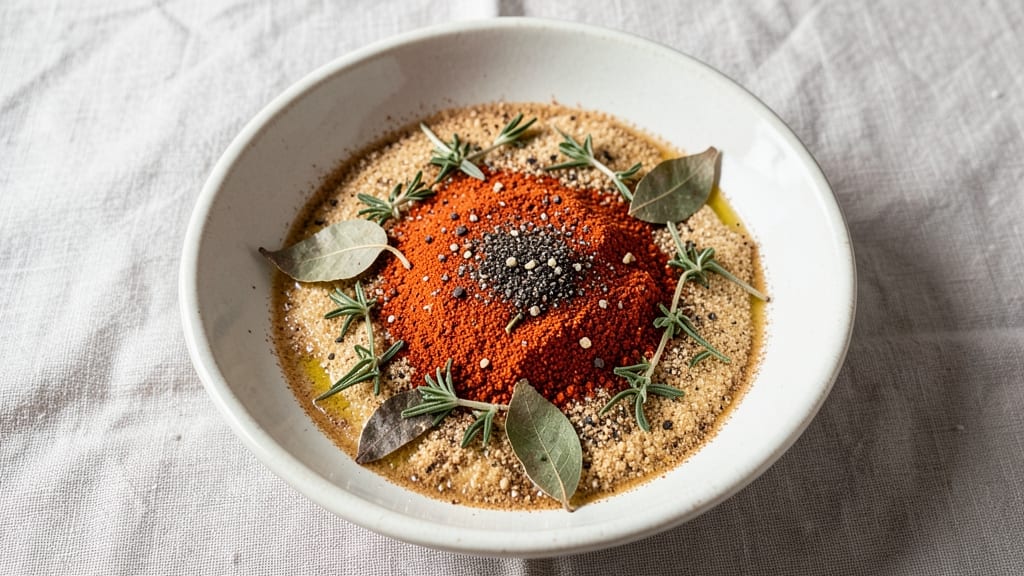
Creating the perfect vegetable soup starts with a dry seasoning blend that transforms ordinary broth into something deeply aromatic and complex. This vegetable soup seasoning recipe combines earthy thyme, warm paprika, and savory garlic powder to build layers of flavor without requiring liquid.
After years of testing, this blend has become my go-to for restaurant-quality soup at home—simply stir it into hot broth and watch the aroma fill your kitchen.
The secret lies in balancing herbs and spices that complement vegetables while enhancing the broth’s natural depth. Dried bay leaves add subtle bitterness, black pepper introduces heat, and onion powder rounds out the savory profile.
Unlike store-bought mixes, this version uses no fillers—just high-quality spices that dissolve effortlessly into simmering liquids, ensuring every spoonful tastes vibrant and cohesive.
What makes this blend exceptional is its versatility—it works with any vegetable combination, from hearty root soups to delicate broths. The spices are measured precisely to avoid overpowering, so you’ll get rich, layered flavor without the need for extra salt or butter.
Perfect for meal prep, this mix stays fresh for months when stored properly, making it a pantry essential for quick, flavorful soups.
Once you try this seasoning, you’ll never go back to bland broths again. The blend elevates even simple vegetable soups into something restaurant-worthy, with depth and complexity that takes minutes to achieve. Ready to transform your soups? Let’s get started with the ingredients.
Ingredients for vegetable soup seasoning
Nine spices, zero fillers—this blend transforms any broth into restaurant-worthy depth.
| Ingredient | Amount | Notes |
|---|---|---|
| Dried Thyme Leaves 🌿 | 2 tbsp | Culinary-grade, not ornamental |
| Sweet Paprika 🌶️ | 1 ½ tbsp | Smoked paprika for depth |
| Garlic Powder 🧄 | 1 ½ tbsp | Freshly ground preferred |
| Onion Powder 🧅 | 1 tbsp | No added anti-caking agents |
| Dried Bay Leaves 🍃 | 1 tbsp | Crushed lightly for release |
| Ground Black Pepper 🌶️ | 1 tbsp | Freshly cracked preferred |
| Diamond Crystal Kosher Salt 🧂 | 1 ½ tsp | Fine grain for even dissolving |
| Ground Cumin Seeds 🌿 | ½ tbsp | Toasted for enhanced aroma |
| Ground Coriander Seeds 🍊 | ½ tbsp | Lightly toasted for brightness |
| Ground Nutmeg 🌿 | ¼ tsp | Freshly grated preferred |
The spices here are all about quality. Penzeys Spices or Burlap & Barrel are my go-tos for freshness, but the bulk bins at Whole Foods or Trader Joe's work too—just check the 'best by' date. Dried thyme should smell herbal and earthy, not dusty. The bay leaves? Look for vibrant green, not brown or brittle. Cumin and coriander seeds toast quickly in a dry pan—just 30 seconds until fragrant. That nutmeg? Freshly grated makes all the difference, but pre-ground works if you're in a pinch. The paprika is the star here—smoked adds that restaurant-quality depth, while sweet keeps it versatile.
No thyme? Dried oregano at half the amount works in a pinch, though it won't be identical. Out of bay leaves? One extra tablespoon of thyme compensates, but the bitterness is key. Swap the smoked paprika for sweet if you prefer milder flavor, but you'll lose that campfire aroma. The cumin and coriander can be omitted if you're sensitive to earthy notes—just reduce the garlic powder to 1 tbsp instead. For a spicier kick, add a pinch of cayenne, but start small—this blend is meant to enhance, not overpower. Store-bought blends often use anti-caking agents; this version avoids them entirely for cleaner flavor.
This mix keeps indefinitely in an airtight container, but spices lose potency over time. Label it with the date—after 6 months, refresh the blend. For meal prep, divide into small containers so you only open what you need. The nutmeg and cumin are the most perishable—replace those first if you notice dulling flavors. A little goes a long way: 1 tbsp per quart of broth is perfect for most soups. Freeze extras in ice cube trays for single-serving convenience. Once opened, store in a cool, dark place—light and heat degrade the oils in spices faster than you'd think.
Why You'll Love This Recipe
- I’ll be real: fresh herbs add up. But this mix? A few dollars buys enough to season months of soups, stews, or even grains. The bay leaves alone make the whole thing feel special without breaking the bank. Plus, no wilting, no waste—just pure, reliable flavor whenever you need it.
- Pantry Magic: I swear by this blend—no fresh herbs, no last-minute trips to the garden. Just pull these dried spices from your shelf, mix, and boom: restaurant-quality depth without the fuss. That sweet paprika? It adds this subtle warmth that makes even the simplest veggie broth taste like it simmered for hours.
- Hidden Depth: Between us, this isn’t your basic "add salt and pepper" seasoning. The thyme and bay leaves bring earthy layers, while the garlic and onion powders hit like a cozy hug. Honestly, I’ve used it in everything from lentil soup to roasted potatoes—it’s the kind of flavor that sneaks up on you and makes you go, "Wait, why does this taste so good?"
- Meal Prep MVP: This blend is my secret weapon for lazy Sundays or hectic weeknights. Toss a spoonful into a pot of frozen veggies and broth, and you’ve got a nourishing lunch ready in 20 minutes. (Yes, even on a Tuesday night.) It also freezes beautifully—just portion it into small jars, and you’re always set.
Step-by-step instructions for vegetable soup seasoning recipe
Transform any broth into a restaurant-quality vegetable soup with this aromatic blend.
Prepare Your Workspace and Tools
Start by gathering a small mixing bowl and a fine-mesh strainer. The strainer is crucial for removing any bay leaf fragments later—those can leave unwanted textures in your soup. I like to use a ceramic or glass bowl because it helps distribute the spices evenly without any metallic aftertaste. Place all your ingredients on a clean surface so you can measure them efficiently.
This is where precision matters most. The dried thyme leaves and bay leaves need special attention—lightly crush the bay leaves between your palms to release their essential oils, but don't grind them into powder. The thyme should remain whole to infuse flavor gradually in your soup. Weigh out each ingredient exactly as listed to maintain the perfect balance of earthy, smoky, and aromatic notes.
Combine the Dry Ingredients
In your mixing bowl, begin by adding the 1.5 tbsp sweet paprika and 1.5 tbsp garlic powder. These two ingredients form the foundation of your blend, providing that initial warmth and depth. Next, add the 1 tbsp onion powder and 1 tbsp ground black pepper. Give everything a gentle stir with a silicone spatula to break up any clumps and ensure even distribution.
Now, sprinkle in the 2 tbsp dried thyme leaves and the crushed dried bay leaves. The thyme will add a subtle herbal complexity, while the bay leaves contribute that unmistakable aromatic backbone. Be careful not to overmix at this stage—just enough to combine the ingredients without activating the oils too early. The goal is to create a uniform blend that will disperse effortlessly into your soup.
Incorporate the Spices and Salt
Add the 0.5 tbsp ground cumin seeds and 0.5 tbsp ground coriander seeds to the bowl. These spices bring a bright, citrusy note that cuts through the richness of other ingredients. The cumin adds warmth, while the coriander introduces a delicate sweetness. Next, sprinkle in the 1.5 tsp diamond crystal kosher salt—this is where the magic happens, as salt enhances all the other flavors.
Finally, add the 0.25 tsp ground nutmeg last. Nutmeg is potent, so using it sparingly ensures it adds depth without overpowering. Stir all the ingredients together gently but thoroughly. You want the spices to be evenly distributed so every spoonful of soup benefits from this harmonious blend. At this point, your seasoning should look like a rich, earthy brown mixture with visible flecks of thyme and bay leaf.
Store for Maximum Freshness
Transfer the seasoning blend to an airtight container, like a small glass jar with a tight-sealing lid. Store it in a cool, dark place—such as your pantry—for up to 3 months. If you prefer longer storage, you can keep it in the freezer for up to 6 months, though the flavors will be freshest within the first month. The airtight seal is essential to prevent moisture from dulling the spices and compromising their potency.
This blend is incredibly versatile—use 1 to 2 teaspoons per quart of broth or soup, adjusting to taste. For the best results, add it during the last 10 minutes of cooking. This ensures the flavors meld perfectly without losing their brightness. The seasoning will transform even the simplest vegetable broth into a deeply flavorful, aromatic experience that feels like a hug in a bowl.
Pro Tips For Making Vegetable Soup Seasoning
- TOAST YOUR SPICES FIRST: I learned this the hard way—adding dried thyme and bay leaves straight from the jar means you’re basically seasoning with cardboard. Lightly toast the whole spices (thyme, bay leaves) in a dry pan for 30 seconds until fragrant, then crush them slightly before mixing. Sweet paprika doesn’t need toasting, but garlic and onion powder should get a quick 10-second pulse in the spice grinder to break up any clumps—this makes the flavors hit harder.
- CRUSH BAY LEAVES HALFWAY: Whole dried bay leaves are great for simmering, but in a seasoning blend, they’ll just sit unyielding. Fold them into the mix after crushing them between your palms or rolling a wine bottle over them—just enough to bruise, not pulverize. This releases their aroma without turning the blend into dust. (Yes, even if you’re impatient like me.)
- STORE WITH A SLICE OF BREAD: This isn’t the prettiest method, but it’s the tastiest: after mixing your seasoning, tuck a small piece of stale bread into the jar before sealing. The bread absorbs moisture and prevents clumping over time. I skip this when I’m lazy, but the next time I open the jar, I always notice how much fresher the spices smell.
- SKIP THE GARLIC POWDER IF: Your soup’s base is already packed with fresh garlic or garlic-infused oil. Garlic powder can overpower subtler flavors, especially when combined with sweet paprika’s warmth. Taste the blend first—if it’s screaming “garlic bomb,” cut it in half or swap for a pinch of onion powder instead. (Your future self will thank you.)
Storing and reheating your leftovers
Refrigerator Storage
Once your seasoning blend is ready, store it in an airtight glass jar with a tight-sealing lid. Keep it in your refrigerator for up to 3 months—the cool, dark environment slows down flavor degradation.
I like using amber glass jars because they block light, which can degrade spices faster than you’d expect. Label the jar with the date to track freshness, and always use a clean, dry spoon to avoid moisture contamination. 🌿
Freezer Preservation
For longer storage, transfer the seasoning to a freezer-safe airtight container or small glass jar. It’ll keep its potency for up to 6 months in the freezer, though I recommend using it within 3 months for peak flavor.
Divide the blend into smaller portions (like 1-tablespoon servings) for easy access. When ready to use, let it sit at room temperature for 10 minutes before opening to prevent condensation from forming inside the jar. ❄️
Reviving Dull Flavors
If your seasoning tastes flat after storage, revive it by toasting the spices lightly. Heat a dry skillet over medium-low heat and add 1 teaspoon of the blend, stirring constantly for 30 seconds until fragrant.
Let it cool completely before using—this reactivates the essential oils. For extra freshness, mix in ½ teaspoon of freshly ground black pepper or a pinch of smoked paprika to restore depth. 🔥
Reheating Soups with Seasoning
When reheating soups with this blend, add ½ teaspoon to the pot during the last 5 minutes of cooking. This preserves the seasoning’s brightness and prevents it from overpowering the broth.
If your soup seems bland after reheating, a splash of hot water or vegetable broth (about ¼ cup) helps redistribute the flavors. For best results, stir well and let it simmer for an extra 2 minutes to meld the spices. ✨
Portion Control for Meal Prep
Divide the seasoning into single-serving portions (like 1-teaspoon servings) in small containers or ice cube trays. Freeze extras for quick use—just pop out what you need and store the rest. This prevents repeated opening of the main container, which can introduce moisture and dull the spices.
For soups you’re prepping ahead, add the seasoning just before serving to keep flavors vibrant. 💡
Long-Term Freshness Tips
To extend shelf life, store your seasoning in a desiccant packet (like those used for electronics) inside the airtight container. This absorbs moisture, which is the enemy of spices. Avoid storing near the stove or sink, where heat and humidity can degrade the blend faster.
If you notice a loss of aroma, it’s time to refresh—just mix in ½ teaspoon of fresh thyme or bay leaf to restore potency. 🌱
Nutrition facts
Frequently asked questions
Can I use this seasoning blend for other types of soups besides vegetable?
This aromatic blend works beautifully in chicken noodle soup, lentil soup, or even tomato-based soups. The earthy thyme and warm cumin complement hearty ingredients, while the bay leaf adds depth to broths. Just reduce the amount to 1 teaspoon per quart if using with richer soups like cream-based varieties.
How do I adjust the seasoning if my soup tastes too salty?
If your soup is over-salted, add 1 cup of hot water or broth to dilute the saltiness. For a more immediate fix, stir in 1 tablespoon of lemon juice or vinegar to balance the flavors. If you're using the blend in future soups, reduce the amount to ½ teaspoon per quart until you find your perfect balance.
What’s the best way to revive stale seasoning?
Toast the blend in a dry skillet over medium-low heat for 30 seconds to reactivate the essential oils. Let it cool before using. For extra freshness, mix in ½ teaspoon of smoked paprika or freshly ground black pepper. Store in an airtight container with a desiccant packet to prevent future dullness.
Can I make this seasoning blend without nutmeg?
Yes! Omit the nutmeg entirely or replace it with ¼ teaspoon of cinnamon for warmth. The blend will still have depth, though nutmeg adds a subtle sweetness that rounds out the flavors. If you're avoiding spices with sedative properties, the blend remains perfectly safe without it.
How much seasoning should I use for a slow cooker?
For slow-cooked soups, use 1.5 teaspoons per quart of liquid. Add the seasoning during the last 30 minutes of cooking to preserve its brightness. Slow cooking can mute flavors, so don’t be afraid to add a little extra if needed. Stir well before serving to distribute evenly.