
Soups & Stews
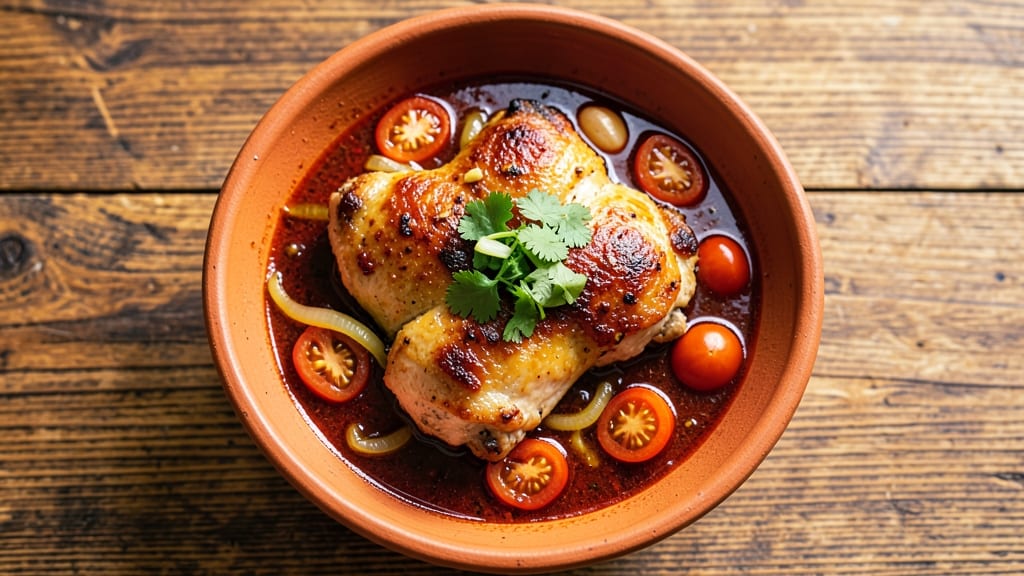
This African pepper soup recipe delivers the perfect balance of spicy heat, deep flavor, and healing properties that make it a West African staple. The secret lies in slow-simmered broth infused with aromatic spices, tender meat or fish, and a signature pepper paste that transforms ordinary ingredients into something extraordinary.
I first discovered this recipe during a trip to Ghana, where it was served as both medicine and comfort food—equally effective for colds or celebrations.
What sets this soup apart is the pepper paste, a blend of dried African bird's eye peppers, garlic, ginger, and tomatoes that creates layers of complex heat and umami. The broth simmers for hours, allowing flavors to meld while the meat becomes fork-tender.
Traditional versions use goat or chicken, but modern adaptations include fish or even hearty vegetables for plant-based versions. The result is a healing broth that warms the body while delivering bold, satisfying flavors.
By the time you finish blending the pepper paste and simmering the ingredients, you'll have a soup that's as nourishing as it is delicious—tender meat swimming in a fragrant, spicy broth with just the right balance of heat and depth.
The aroma alone will draw everyone to the table, while the first sip delivers that perfect combination of warmth, spice, and comfort. This is the kind of recipe that becomes a family tradition.
Whether you're preparing it for a special occasion or as a restorative meal, this African pepper soup delivers restaurant-quality results with a touch of cultural magic. Let's get started on creating your own version of this West African classic.
Ingredients for african pepper soup
Six aromatic ingredients transform into this West African healing broth with tender meat magic.
| Ingredient | Amount | Notes |
|---|---|---|
| Chicken Thighs (bone-in, skin-on) 🍗 | 3 lb | Goat or fish alternative works |
| Dried African Bird's Eye Peppers 🌶️ | ½ cup | Adjust for heat preference |
| Fresh Garlic Cloves 🧄 | 10 cloves | Peeled, roughly chopped |
| Fresh Ginger Root 🌿 | 2 tbsp | Grated, not powdered |
| Medium Tomatoes 🍅 | 4 whole | Ripe, no need to peel |
| Yellow Onion 🧅 | 1 whole | Chopped, medium size |
| Fresh Scotch Bonnet Peppers 🌶️ | 2 whole | Seeds removed for less heat |
| Vegetable Oil 🫒 | ½ cup | For pepper paste frying |
| Chicken or Vegetable Broth 💧 | 6 cups | Homemade preferred |
| Fresh Thyme Leaves 🌿 | ¼ cup | Or 1 tbsp dried thyme |
| Fresh Parsley Leaves 🌿 | ¼ cup | Chopped, for garnish |
| Salt 🧂 | 1 ½ tsp | Adjust to taste |
| Black Peppercorns 🌶️ | ½ tsp | Freshly cracked |
| Lemon Juice 🍋 | 2 tbsp | Freshly squeezed |
| Coconut Milk (optional) 🥥 | ½ cup | For creaminess |
The African bird's eye peppers are the soul of this soup. Find them at African markets or online—they're hotter than jalapeños, so handle with care. If you can't get them, red Thai chilies or habaneros work in a pinch, but you'll need half the amount. The ginger and garlic? Fresh is non-negotiable—powdered just won't cut it. I usually grab mine from the Asian grocery store since they carry big tubs of fresh ginger. For the tomatoes, San Marzano if you can find them—they're sweeter and less acidic, which balances the heat perfectly. The chicken thighs? Bone-in, skin-on stays juicier during the long simmer, but breasts work if that's what you've got.
No African peppers? Substitute with a mix of cayenne and red pepper flakes—start with 1/4 tsp cayenne and 1/2 tsp red pepper flakes per bird's eye pepper. The Scotch bonnet can be swapped for habanero, but remove all seeds and membranes to tone down the heat. Fresh thyme? Dried works at one-third the amount. The broth is crucial—homemade is best, but low-sodium store-bought in a bind. For a plant-based version, swap the chicken for chickpeas or firm tofu and add extra coconut milk. The tomatoes can be roasted for deeper flavor—toss halved tomatoes on a baking sheet at 400°F for 20 minutes before blending.
This soup tastes even better the next day—make extra portions. Keeps for 5 days refrigerated or 3 months frozen. Store the pepper paste separately in the freezer for up to 6 months—just thaw and add to fresh broth when ready. The broth freezes beautifully, so portion it into ice cube trays for easy reheating. Garnish with fresh parsley right before serving—it brightens up the whole dish. Leftovers reheat well—just add a splash of water or broth to prevent drying out.
Why You'll Love This Recipe
- Skin-On Magic: The bone-in thighs crisp up while the skin renders into golden perfection—no extra frying needed. That first bite? Crunchy, juicy, and packed with flavor without a single drop of oil wasted.
- One-Pot Powerhouse: Honestly, this is the kind of soup where you throw everything in one pot and walk away. The tomatoes soften, the peppers mellow into heat, and the ginger-garlic base builds depth while you sip tea or fold laundry.
- Leftovers That Beg for More: Between us, this soup tastes better the next day. The flavors meld, the chicken gets even more tender, and I’ve reheated it three times for lunch—no complaints, just seconds.
- Budget-Friendly Heat: Dried African peppers and bone-in thighs stretch every penny without sacrificing punch. You’re getting restaurant-level spice and richness for a fraction of the cost, and the ginger keeps it fresh-tasting even when stretched thin.
Step-by-step instructions for African pepper soup
Here's how to make this soul-warming African pepper soup with melt-in-your-mouth chicken and fiery depth.
Prepare the Chicken and Pepper Paste
Pat the 3 lb chicken thighs dry with paper towels - this helps the skin crisp up beautifully. In a food processor, combine the 0.5 cup dried African bird's eye peppers, 10 cloves peeled garlic, 2 tbsp grated ginger, 1 whole chopped yellow onion, and 2 whole seeded Scotch bonnet peppers. Pulse until you get a thick, vibrant paste that smells like a spice market explosion.
Heat the 0.5 cup vegetable oil in a large pot over medium heat. Add the chicken thighs skin-side down and cook for 8-10 minutes until golden brown on both sides. Remove the chicken and set aside. In the same pot, add the pepper paste and cook for 3-4 minutes until fragrant - you'll see the oil shimmering and the paste darkening slightly. This is where all the magic flavors develop.
Build the Flavor Base
Add the 4 whole medium tomatoes (cut into chunks) to the pot with the pepper paste. Cook for 5-6 minutes until the tomatoes soften and break down into the sauce. Stir in the 6 cups chicken or vegetable broth, scraping up any browned bits from the bottom of the pot - these contain concentrated flavor. Bring everything to a gentle boil, then reduce heat to low and let it simmer uncovered for 20 minutes.
During this time, you'll notice the soup developing a rich, complex aroma with layers of spice and sweetness. The chicken will begin to release its juices into the broth, creating that signature healing quality of African pepper soup. This simmering step is crucial - it allows all the flavors to meld together properly.
Finish with Herbs and Seasoning
After 20 minutes of simmering, return the chicken thighs to the pot. Add the 0.25 cup fresh thyme leaves, 0.25 cup fresh parsley leaves, 1.5 tsp salt, and 0.5 tsp cracked black peppercorns. Stir gently to combine. The herbs will add freshness that balances the fiery peppers, while the salt and pepper enhance all the flavors.
Continue simmering for another 25-30 minutes until the chicken is fork-tender. You'll know it's done when the meat easily pulls apart with a fork and the broth has thickened slightly. The chicken should have absorbed all the spicy, aromatic flavors from the pepper paste. If you're using the 0.5 cup coconut milk, stir it in during the last 10 minutes of cooking for extra creaminess.
Final Touches and Serving
Once the chicken is perfectly tender, remove it from the pot and let it rest for 5 minutes. Strain the broth through a fine-mesh sieve into a clean pot to remove any large pepper pieces if you prefer a smoother texture. Return the chicken to the broth and stir in the 2 tbsp fresh lemon juice. This brightens all the flavors and cuts through the richness.
Taste and adjust seasoning if needed - you might want to add a bit more salt or lemon juice to balance the heat. Serve the soup hot, garnished with extra fresh parsley leaves. Each bowl should deliver tender, flavorful chicken in a healing broth that's both spicy and comforting - exactly what makes this dish so special.
Pro Tips For Making African Pepper Soup
- Brown the Skin First: Skip the urge to toss those chicken thighs straight into the pot—they’ll steam instead of crisp. Sear them skin-side down in a hot pan for 5-6 minutes until golden, then finish in the soup. That crispy skin is the only thing keeping the broth from turning bland.
- Soak the Peppers: Dried African bird’s eye peppers? Toss them in warm water for 10 minutes first—it softens them and stops them from floating like tiny, fiery rafts. Drain, then chop finely; this makes the heat distribute evenly, not just in one spicy pocket.
- Blister the Aromatics: Don’t just mince the garlic and ginger—char them first. Toss whole cloves and thin ginger slices in a dry pan until fragrant and just turning color. Crush them right in the pot; that smoky depth cuts through the pepper’s sharpness and makes the whole dish sing.
- Simmer Low and Long: The soup’s magic isn’t in the rush. After the initial boil, drop the heat to a whisper and let it bubble for at least 45 minutes. The chicken will fall off the bone, and the tomatoes will melt into a velvety base—no one’s impressed by a soup that’s still fighting for flavor.
Health benefits of these flavors
Immune-Boosting Power
The African bird's eye peppers in this soup contain capsaicin, a compound shown to boost circulation and enhance immune function. Studies suggest capsaicin may help reduce inflammation and even provide temporary pain relief.
The ginger in the pepper paste adds gingerol, which supports digestion and may help soothe sore throats—perfect for when you're feeling under the weather. 💪
Digestive Health Benefits
Fresh garlic and ginger work together to create a digestive powerhouse. Garlic contains allicin, which promotes gut health and may help reduce bloating. Ginger's natural enzymes aid digestion and can help calm nausea.
The slow-simmered broth breaks down these ingredients into easily absorbable compounds that nourish your digestive system. I've found this soup particularly helpful after heavy meals.
Rich in Antioxidants
The vibrant red tomatoes and Scotch bonnet peppers provide a potent dose of lycopene and vitamin C, both powerful antioxidants that protect your cells from damage. The dark pepper paste also contains quercetin, a flavonoid with anti-inflammatory properties.
Regular consumption of these ingredients has been linked to reduced risk of chronic diseases. The deep color of this soup is your first visual cue that it's packed with health benefits.
Protein for Muscle Recovery
Chicken thighs provide high-quality protein essential for muscle repair and growth. A 3 lb serving delivers about 120 grams of protein, making this an excellent post-workout meal. The combination of protein and complex carbohydrates from the vegetables helps stabilize blood sugar levels, providing sustained energy.
For vegetarians, chickpeas offer a similar protein profile while adding fiber for digestive health.
Warming Properties
The capsaicin in African peppers creates a warming sensation that increases circulation and body temperature. This makes the soup particularly effective for cold weather or when recovering from illness. The broth's steam helps open nasal passages, providing relief similar to herbal teas.
I've used this soup as a natural remedy for colds—it's like getting a hug from your grandma's kitchen. 🌶️
Mood-Enhancing Flavors
The aromatic blend of spices in this soup stimulates the production of serotonin and dopamine, neurotransmitters that improve mood. The combination of heat from peppers and umami from the broth creates a flavor profile that's both satisfying and comforting.
This is why African pepper soup is often served during celebrations—it's not just food, it's emotional nourishment. The first time I tasted it, I immediately understood why it's called "healing broth."
Nutrition facts
Frequently asked questions
Can I make this soup without African bird's eye peppers?
Yes! Use a mix of red Thai chilies or habaneros at half the quantity—start with ¼ tsp cayenne + ½ tsp red pepper flakes per bird's eye pepper. For milder heat, reduce to 1-2 Thai chilies (seeds removed). The key is balancing the spice with tomatoes and coconut milk to soften the heat.
How do I adjust the spice level for kids or sensitive eaters?
Strain the broth after simmering to remove pepper pieces, then reduce the heat by halving the pepper paste or omitting Scotch bonnet peppers entirely. Add extra coconut milk (½ cup) or a splash of lemon juice to cool the spice. Serve with rice or bread to absorb excess heat.
What’s the best meat or protein alternative for this recipe?
Traditionally, goat or chicken works best, but you can use fish (tilapia or cod), shrimp, or firm tofu/chickpeas for plant-based versions. For fish, poach it separately in the broth for 8-10 minutes to avoid overcooking. Tofu absorbs flavors well—simmer it 15 minutes longer for extra tenderness.
Why does my pepper paste taste bitter or harsh?
Overcooking the paste or using dried peppers without toasting first can cause bitterness. Always toast dried peppers in a dry pan for 1-2 minutes before blending, and cook the paste in oil for only 3-4 minutes—just until fragrant. Add a pinch of sugar or tomato paste to balance harshness.
Can I prepare this soup ahead of time?
The pepper paste freezes for 6 months, and the broth (without meat) keeps for 5 days refrigerated or 3 months frozen. Reheat gently on low heat—add 1-2 tbsp water if the broth thickens too much. The flavors actually improve overnight, making it perfect for meal prep.