
Soups & Stews
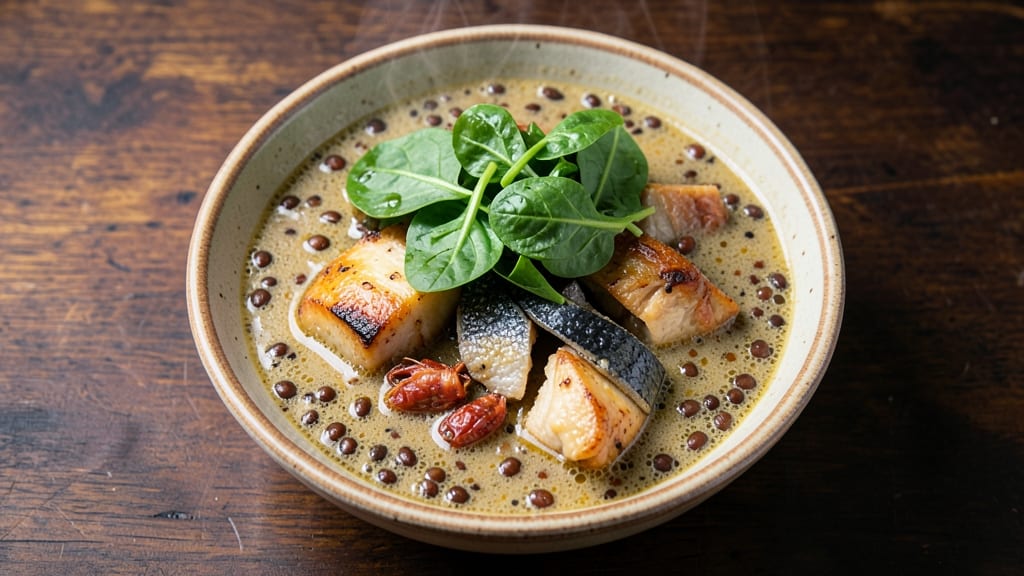
This authentic egusi soup recipe brings the rich, hearty flavors of Nigerian home cooking to your kitchen—where every spoonful tells a story of tradition and family.
After years of perfecting the balance between earthy egusi seeds and tender proteins, I’ve created a version that stays true to its roots while being adaptable for home cooks. The key lies in slow simmering and layering flavors, just like my grandmother taught me.
The beauty of this recipe is in its simplicity and depth—just a handful of ingredients transform into a velvety, aromatic soup that’s both comforting and impressive. We’ll use fresh leafy greens, protein of your choice, and traditional seasonings like locust beans and crayfish to build complexity.
What makes it special is the way the egusi melts into the broth, creating that signature rich, nutty texture that defines authentic West African soups.
By the end, you’ll have a pot of soup that’s deeply flavorful, perfectly balanced, and ready to pair with pounded yam, fufu, or eba. The aroma alone will transport you to a Nigerian dining table, where every meal is a celebration.
Let’s bring this home-style classic to life—step by step, just as it’s meant to be made.
Whether you’re cooking for a family gathering or a quiet weeknight dinner, this recipe delivers restaurant-quality results with minimal fuss. The slow simmering ensures tender meat and a smooth, velvety broth, while the blend of spices creates layers of flavor that keep you reaching for another bowl.
Trust me—once you taste it, you’ll understand why this soup holds a special place in Nigerian cuisine.
Ingredients for authentic egusi soup
Six key ingredients transform into a soulful bowl of West African tradition.
| Ingredient | Amount | Notes |
|---|---|---|
| Egusi Seeds 🌰 | 1 cup | Raw, unshelled, toasted lightly |
| Ground Locust Beans 🌿 | ½ cup | Toasted for nutty depth |
| Dried Crayfish 🦐 | ¼ cup | Crushed for umami punch |
| Chicken Thighs 🍗 | 2 lb | Bone-in, skin-on preferred |
| Smoked Fish 🐟 | 1 piece | Split into 3 portions |
| Fresh Spinach 🍃 | 2 cups | Chopped, stems removed |
| Ugu Leaves (Pumpkin Leaves) 🌿 | 2 cups | Fresh, chopped substitute |
| Onions 🧅 | 2 whole | One chopped, one sliced |
| Tomatoes 🍅 | 4 whole | Ripe, blended with skin |
| Garlic Cloves 🧄 | 6 cloves | Minced for aromatic base |
| Red Bell Pepper 🌶️ | 1 whole | Deseeded, chopped |
| Scotch Bonnet Pepper 🔥 | 1 whole | Seeds removed, chopped |
| Vegetable Oil 🫒 | ½ cup | For frying and seasoning |
| Salt 🧂 | 1 ½ tsp | Adjust to taste gradually |
| Black Pepper 🌶️ | 1 tsp | Freshly ground |
| Stock Cubes 🍲 | 2 pieces | Chicken or vegetable |
| Palm Oil 🫒 | ¼ cup | For rich color (optional) |
Egusi seeds are the heart of this soup—look for raw, unshelled seeds at African markets or online (they keep for months). Toast them lightly in a dry pan to deepen their nutty flavor before grinding. Locust beans (iru) are non-negotiable for that signature earthy taste; buy them pre-ground from specialty stores if you can't find whole ones. Dried crayfish adds umami magic—crush them by hand in a mortar and pestle (or a heavy bag) for maximum flavor. For the protein, bone-in chicken thighs stay juicier during the long simmer, but breasts work too if that's what you've got. Smoked fish brings that distinctive smoky aroma—ask for 'stockfish' or 'dried smoked fish' at African grocery stores.
No egusi seeds? Substitute 1 cup of peanut butter (unsweetened) for a similar richness, though it won't be identical. Can't find locust beans? Dried mushrooms or ground peanuts add depth, but reduce to 2 tbsp. Fresh spinach or ugu leaves are ideal, but kale or collard greens work in a pinch. The tomatoes should be ripe—blend them with their skins for color and texture. For heat control, remove the seeds from scotch bonnet before chopping (or use habanero). Palm oil is optional but gives that authentic red hue—substitute vegetable oil if unavailable, though the color will be different. Stock cubes are a shortcut, but homemade chicken stock is worth the extra effort.
Toast your spices first—garlic, onions, and peppers in oil for 3-4 minutes until fragrant. This releases their full flavor. The soup tastes even better the next day as flavors meld, so make extra and store in airtight containers for up to 4 days. Freezes beautifully for 3 months—portion into single servings before freezing. For leftovers, reheat gently on low heat, adding a splash of water if it thickens too much. The crayfish and locust beans can be prepped ahead and stored in the fridge for 1 week in sealed containers.
Why You'll Love This Recipe
- Same base, endless twists: swap chicken for beef, add spinach for greens, or serve it with pounded yam for a full feast. Honestly, it’s my go-to for lazy nights and when Auntie drops by unannounced.
- No Chopping Needed: I swear by this—just toast the locust beans and crush them, then blend the egusi with crayfish and water. No knife skills required, just hands-on simplicity.
- Umami Bomb Combo: That smoked fish and crayfish duo? It’s what makes this soup dangerously addictive. The nutty egusi and earthy locust beans balance the rich, briny depth—every spoonful feels like a hug.
- Weeknight to Party Fix: Same base, endless twists: swap chicken for beef, add spinach for greens, or serve it with pounded yam for a full feast. Honestly, it’s my go-to for lazy nights and when Auntie drops by unannounced.
Step-by-step instructions for authentic egusi soup
Here's how to create this hearty Nigerian classic with deep flavors and perfect texture.
Prepare the Base Ingredients
Start by toasting the 1 cup egusi seeds in a dry skillet over medium heat for 3-4 minutes until they release their nutty aroma and turn a light golden color. Watch carefully—they toast quickly and can burn easily. Transfer them to a bowl and set aside.
In the same skillet, toast the 0.5 cup ground locust beans over medium-low heat for 2 minutes until fragrant. The locust beans will darken slightly but shouldn't burn. Crush the 0.25 cup dried crayfish in a mortar or between two spoons until it resembles coarse sand—this releases its full umami flavor.
Cook the Protein and Aromatics
Heat 0.5 cup vegetable oil in a large pot over medium heat. Add the 2 lb chicken thighs and cook for 8-10 minutes until they turn opaque and release from the pot easily. Remove the chicken and set aside. In the same pot, add the 1 piece smoked fish (split into 3 portions) and fry for 3 minutes until lightly browned.
Next, add the 1 whole chopped onion, 6 cloves minced garlic, 1 whole chopped red bell pepper, and 1 whole chopped scotch bonnet pepper (seeds removed). Sauté for 5 minutes until the onions soften and the peppers release their vibrant colors. This aromatic base forms the flavor foundation of the soup.
Build the Soup Base
Add the 4 whole blended tomatoes (with skin) to the pot and cook for 5 minutes until the mixture thickens slightly. Stir in the 2 pieces stock cubes and 1.5 teaspoons salt, then pour in 8 cups water (enough to cover all ingredients). Bring to a boil, then reduce heat to low and simmer for 20 minutes.
After 20 minutes, add the toasted 1 cup egusi seeds and 0.5 cup ground locust beans. Stir well and let the soup simmer for another 15 minutes—this allows the egusi to fully absorb the broth and create its signature thick, creamy texture. The soup should now be rich and slightly thickened.
Finish with Vegetables and Seasoning
Add the 2 cups chopped fresh spinach and 2 cups chopped ugu leaves (pumpkin leaves) to the pot. Stir gently and cook for 5 minutes until the greens wilt completely. The leaves should disappear into the soup, adding vibrant color and earthy flavor. If using 0.25 cup palm oil, stir it in now for a richer, more traditional appearance.
Return the cooked chicken to the pot and simmer for an additional 10 minutes. Taste and adjust seasoning with 1 teaspoon black pepper—this is where the soup's bold flavors truly come together. The final texture should be thick but still spoonable, with a balance of creamy egusi, tender chicken, and vibrant greens.
Serve with Traditional Accompaniments
Ladle the hot soup into bowls and serve immediately with pounded yam, fufu, or swallow for dipping. The rich, nutty egusi soup pairs perfectly with these starchy accompaniments, creating a satisfying meal that captures the essence of Nigerian home cooking. Each spoonful should deliver layers of flavor—creamy egusi, smoky fish, tender chicken, and fresh greens—all in one hearty bite.
Pro Tips For Making Authentic Egusi Soup
- Toast Your Egusi: DESCRIPTION: I learned this the hard way—raw egusi seeds taste bitter and gummy. Dry-toast them in a skillet over medium heat for 3-4 minutes, stirring constantly, until they smell nutty and darken slightly. This step removes that unpleasant rawness and deepens the flavor.
- Soak Locust Beans: DESCRIPTION: Skip this, and your soup will taste bland. Soak ground locust beans in warm water for at least 15 minutes before adding them to the pot—this softens the starch and lets them blend smoothly. Drain well afterward to avoid a gluey soup.
- Simmer, Don’t Boil: DESCRIPTION: After adding the crayfish and fish, reduce the heat to a gentle simmer. Boiling will turn the soup cloudy and break down the smoked fish’s delicate flavor. Let it bubble softly for 20 minutes—this keeps the texture rich and the colors vibrant.
- Brown the Chicken First: DESCRIPTION: My grandmother swore by this, and she was right: crisp the chicken thighs in a hot pot with a little oil before adding broth. The Maillard reaction adds depth that raw chicken can’t match—just don’t overcrowd the pan, or you’ll steam instead of sear.
Perfect pairings for this dish
Starchy Sides
This soup is all about contrast—its rich, nutty depth needs something soft and doughy to cut through it. I always serve it with pounded yam, which is like mashed yam but with a lighter, fluffier texture.
For a quicker version, fufu (made from cassava or plantains) works perfectly. Both absorb the soup beautifully, turning every bite into a flavor explosion. 🍠
If you're short on time, eba (fermented yam flour) is a great alternative—just boil the dough until it reaches the right consistency. For a non-traditional twist, I’ve even served it with garlic bread or buttered rice when I’m in a pinch.
The key is a starchy base that can soak up the rich, savory broth.
Protein Swaps
While chicken and smoked fish are traditional, don’t be afraid to get creative. Goat meat adds a gamey depth that pairs wonderfully with the earthy egusi. For seafood lovers, shrimp or tilapia work beautifully—just add them in the last 10 minutes of cooking so they don’t overcook.
I once made this with beef short ribs for a slow-cooked, fall-apart texture that was unforgettable. 🍖
Vegetarians can use tofu or mushrooms for protein, though the flavor will shift slightly. If you’re using plant-based options, boost the umami with an extra 1 tbsp soy sauce or 1 tsp fish sauce (even if it’s not traditional). The goal is to keep the soup hearty and satisfying.
Drink Pairings
Egusi soup’s bold flavors stand up to malty Nigerian beers like Star Lager or Guinness. The hoppy bitterness balances the richness perfectly. For a non-alcoholic option, hibiscus tea (zobo) is refreshing and complements the soup’s earthiness.
I’ve also enjoyed it with sparkling water and lime for a lighter contrast. 🍺
Avoid sweet drinks—they’ll clash with the soup’s savory depth. If you’re serving this at a gathering, a dry white wine like Sauvignon Blanc can work, but it’s not traditional. The best pairing? Just water with a slice of lemon—simple, clean, and lets the soup shine.
Garnish Ideas
Fresh herbs elevate the dish instantly. A sprinkle of chopped scallions or cilantro adds brightness, while toasted egusi seeds on top give a nutty crunch. For heat, a dash of crushed red pepper flakes or a few scotch bonnet slices on the side lets diners adjust to their taste.
I also love drizzling a little palm oil over the top for that authentic, golden hue. 🌿
If you’re feeling fancy, serve the soup in a clay pot or cast-iron skillet to keep it warm and add rustic charm. A side of pickled onions or cucumbers cuts through the richness and adds a tangy contrast.
The goal is to make the dish feel special without overpowering its natural flavors.
Nutrition facts
Frequently asked questions
Why does my egusi soup taste bitter?
The bitterness comes from over-toasting the egusi seeds or using too many locust beans. Toast seeds for just 3-4 minutes over medium heat until fragrant, not browned. For balance, add 1 extra tomato or 1 tbsp palm oil to mellow the flavor. The crayfish should also be crushed properly—too fine a grind can release more bitterness.
Can I make egusi soup without palm oil?
Palm oil adds color but isn't essential. Use 0.25 cup vegetable oil instead—just stir it in at the end for richness. For a deeper flavor, add 1 tbsp tomato paste when building the base. The soup will have a different hue but maintain all its authentic taste.
How do I adjust the thickness of my egusi soup?
For a thicker texture, simmer the soup 5-10 minutes longer after adding the egusi seeds. Need it thinner? Add ½ cup hot water at a time, stirring constantly. The key is patience—rushing the simmering creates a grainy, unbalanced soup. The final consistency should coat a spoon but still be spoonable.
What's the best way to store leftover egusi soup?
Cool the soup completely, then store in airtight containers in the fridge for up to 4 days. For longer storage, freeze in single portions—it reheats beautifully! When reheating, warm on low heat and add a splash of water if it thickens too much. The flavors actually deepen overnight, making it even more delicious.
Can I substitute ugu leaves with other greens?
Yes! Use spinach, kale, or collard greens in equal amounts. For a closer flavor, combine ½ cup spinach + ½ cup Swiss chard. Avoid cabbage—it adds too much water and changes the texture. The greens should wilt completely in 5 minutes of simmering for best results.