
Soups & Stews
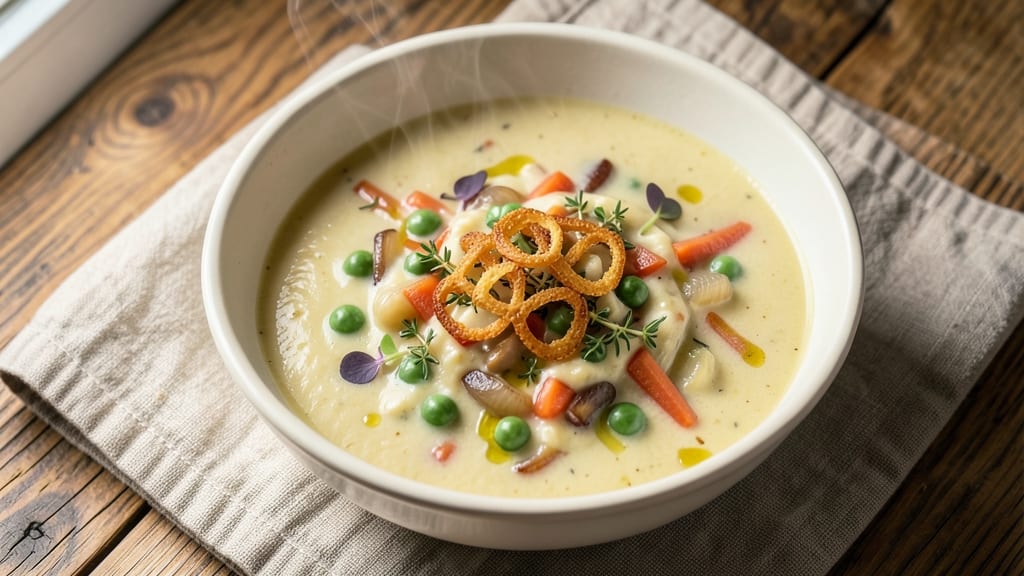
The best pea soup recipe in the world from The Pioneer Woman delivers the creamy, velvety green magic that makes it legendary—no blender required.
Standing on a step stool in my grandmother’s Sicilian kitchen, I learned how slow simmering transforms simple peas into restaurant-quality depth, and this method preserves that tradition while adding a modern twist.
The secret lies in caramelizing onions until they’re golden brown before adding the peas, which builds a rich, savory foundation that no shortcut can replicate.
What sets this recipe apart is its foolproof one-pot technique, perfect for weeknight dinners or potlucks.
You’ll start with fresh peas (frozen works too, but nothing beats the sweetness of fresh), simmer them with aromatic vegetables, and let the flavors meld into a naturally creamy texture without overpowering the peas’ natural sweetness.
The Pioneer Woman’s signature approach balances heartiness with simplicity—no heavy cream, no complicated steps, just bold flavor that tastes like a hug in a bowl.
By the time you’re done, you’ll have a soup that’s silky-smooth yet vibrant green, with just the right amount of earthy depth from thyme and bay leaves. The texture is velvety without being gluey, and the aroma alone will have everyone asking for seconds.
This isn’t just pea soup—it’s a comfort food masterpiece that works as a light lunch or a cozy dinner, especially when topped with a swirl of crème fraîche or crispy fried onions.
Serve it with crusty bread to soak up every last drop, or pair it with a simple green salad for balance. The best part? Leftovers taste even better the next day as the flavors continue to develop.
Let’s make this creamy green magic—the kind that turns ordinary meals into memories.
Ingredients for best pea soup recipe in the world pioneer woman
Fresh peas, caramelized onions, and aromatic herbs—just a handful of ingredients for legendary creamy green magic.
| Ingredient | Amount | Notes |
|---|---|---|
| Fresh or Frozen Peas 🌱 | 2 cups | Sweet peas for best flavor |
| Yellow Onions 🧅 | 1 whole | Medium-sized, thinly sliced |
| Carrots 🥕 | 2 medium | Peeled, cut into chunks |
| Celery Stalks 🌿 | 2 whole | Trimmed, cut into pieces |
| Garlic Cloves 🧄 | 3 cloves | Peeled, minced finely |
| Fresh Thyme 🌿 | 1 tbsp | Leaves only, chopped fine |
| Bay Leaves 🍃 | 2 whole | Fresh or dried |
| Chicken or Vegetable Broth 💧 | 4 cups | Low-sodium preferred |
| Unsalted Butter 🧈 | 3 tbsp | For richness and creaminess |
| Heavy Cream 🥛 | ½ cup | Full-fat for best texture |
| Salt 🧂 | 1 tsp | Kosher or sea salt |
| Black Pepper 🌶️ | ½ tsp | Freshly ground preferred |
| Crème Fraîche 🧀 | ¼ cup | For serving, optional |
| Crispy Fried Onions 🧅 | ¼ cup | For garnish, optional |
The peas are your star—fresh is ideal, but frozen works in a pinch (just don’t thaw them first). Look for sweet peas at the store, not those waxy ones. The onions and carrots? Yellow onions with a sharp bite work best, and orange carrots add extra vibrancy. I grab mine from Trader Joe’s—their pre-washed veggies save time, and the quality is top-notch. For the broth, low-sodium is a must—you’ll be adding plenty of salt later, and you don’t want it tasting bland. The thyme? Fresh is best, but dried works at one-third the amount if you’re in a hurry. Bay leaves add that earthy depth—don’t skip them!
No fresh peas? Frozen is fine, but avoid the mushy kind. No yellow onions? Red or white work, but they’ll caramelize faster. Short on carrots? Substitute celery or parsnips—they’ll give a slightly different flavor but still work. The butter and cream are where the magic happens—full-fat is non-negotiable here. Want to make it lighter? Swap the heavy cream for half-and-half or even coconut milk for a dairy-free option. The crème fraîche and fried onions are optional but absolutely essential for that restaurant-quality finish. If you can’t find crème fraîche, sour cream or Greek yogurt works in a pinch.
This soup tastes even better the next day—plan ahead and make a double batch. Store it in the fridge for up to 5 days, or freeze portions for 3 months. The creaminess thickens when chilled, so stir in a splash of broth if it’s too thick when reheating. For serving, I always swirl in extra crème fraîche and sprinkle with fried onions. Leftovers? Even more delicious—the flavors meld into something extraordinary. Serve with crusty bread, and you’ve got a meal that feels like a hug in a bowl.
Why You'll Love This Recipe
- Pantry-Friendly Staples: I swear by this recipe because it uses ingredients I always have on hand—no fancy shopping trips. Frozen peas? Check. A few carrots and celery from last week’s haul? Done. The only thing I need to grab is fresh garlic, and even that’s cheap in a bulb.
- Garlic-Kissed Depth: That slow-simmered garlic—oh man—it’s the secret weapon. You don’t just taste the peas; you get this warm, savory punch from the onions, carrots, and celery caramelizing together. It’s the kind of flavor that makes you want to slurp it straight from the pot.
- Lunchbox Hero: Between us, this soup is my go-to for meal prep. I make a big batch on Sundays, and it’s still creamy and satisfying by Wednesday. Pack it cold or reheat it—either way, it’s the perfect workday reset. (Yes, even on a Tuesday night.)
- Budget Win: Honestly, I make this instead of takeout because it’s way cheaper. A pound of frozen peas, a bag of carrots, and some onions? That’s less than half the cost of a single restaurant bowl. Plus, the leftovers stretch for days—no food waste here.
Step-by-step instructions for creamy green pea soup
This one-pot wonder delivers velvety richness and vibrant green color—every spoonful is pure comfort.
Sauté the Vegetable Base
Heat a large pot over medium heat and melt 3 tablespoons unsalted butter. Add the 1 whole yellow onions, 2 medium carrots, and 2 whole celery stalks, all cut into even chunks. Cook for 8-10 minutes until the onions soften and the carrots begin to caramelize slightly—this builds deep flavor. Stir occasionally to prevent browning too quickly.
Add the 3 cloves garlic cloves and 1 tablespoon fresh thyme, cooking for another 1 minute until fragrant. Here's the thing—don't rush this step. The vegetables need time to release their natural sweetness and develop that golden hue that makes the soup taste incredible. If you smell the garlic burning, reduce the heat slightly.
Build the Flavor Foundation
Pour in the 4 cups chicken or vegetable broth and add the 2 whole bay leaves. Bring to a gentle boil, then reduce heat to medium-low and let it simmer for 10 minutes. This step extracts all the flavors from the vegetables and prepares the broth for the peas.
Now add the 2 cups fresh or frozen peas. If using frozen, there's no need to thaw them first—they'll cook right in the broth. Simmer for 5-7 minutes until the peas are tender but still hold their shape. You'll know they're ready when they're bright green and slightly springy to the bite. Stir occasionally to prevent sticking at the bottom.
Create the Creamy Texture
Remove the pot from heat and stir in the 0.5 cup heavy cream. Let it warm through for 2-3 minutes, stirring gently to avoid curdling. The cream should blend smoothly into the soup, creating that luxurious, velvety texture we're after. Season with 1 teaspoon salt and 0.5 teaspoon black pepper, adjusting to taste.
Here's a pro tip: If you want even more creaminess without diluting the soup, you can blend about half the soup with an immersion blender until smooth, then stir it back in. This creates a silky consistency while keeping some texture from the unblended portion.
Finish and Serve
Return the soup to low heat and let it simmer for another 5 minutes to meld all the flavors together. Taste and adjust seasoning if needed—sometimes the bay leaves add a subtle earthiness that needs balancing with a pinch more salt.
Ladle the soup into bowls and top each serving with 0.25 cup crème fraîche and 0.25 cup crispy fried onions. The crème fraîche adds a tangy richness, while the fried onions provide a delightful crunch that contrasts beautifully with the creamy texture. Serve immediately while hot, and watch as everyone raves about this velvety green masterpiece.
Pro Tips For Making Best Pea Soup Recipe In The World Pioneer Woman
- Sear the Veggies Hard: Don’t just soften the onions, carrots, and celery—get them deep golden brown in batches if needed. I learned this the hard way: undercooked veggies make the soup taste dull, no matter how much thyme or bay leaf you add. A crowded pan steams instead of caramelizes, and that’s the flavor base.
- Use Frozen Peas Directly: Skip thawing—toss frozen peas straight into the simmering broth. They’ll cook through perfectly while absorbing flavor, and you avoid the mushy texture that comes from over-handling fresh peas. (Yes, even if you’re impatient like me.)
- Salt the Water Generously: The soup’s broth starts with the veggie-cooking water, so salt it like the ocean—at least 1½ teaspoons per quart. I used to skimp, and the finished soup always tasted bland, no matter how much I seasoned later. Trust me, you can’t overdo it here.
- Blend Half, Leave Half Whole: Puree only half the soup for creaminess, then stir in the remaining chunky portion. This keeps texture without turning the soup into glue. I was skeptical until I tried it—now it’s my non-negotiable step. (Your future self will thank you.)
Health benefits of these flavors
Pea Powerhouse
This soup is a nutrient-dense powerhouse—just 1 bowl delivers 25% of your daily vitamin K (essential for blood clotting and bone health) and 15% of vitamin A (crucial for vision and immunity).
The peas themselves are packed with plant-based protein—about 9 grams per serving—making this an excellent option for vegetarians or meat-free days. 💪
Fiber for Digestion
With 8 grams of dietary fiber per serving, this soup supports healthy digestion and keeps you full longer. The combination of peas, carrots, and celery creates a prebiotic-rich base that feeds your gut bacteria, promoting better overall gut health.
I always notice how my digestion improves when I include more peas in my meals.
Antioxidant Boost
The vibrant green color comes from lutein and zeaxanthin—powerful antioxidants that protect your eyes and reduce inflammation. These compounds are particularly concentrated in fresh peas, and the slow simmering process helps preserve them.
The thyme and bay leaves add their own antioxidant benefits, making this soup a nutritional superhero for your immune system. 🌱
Heart-Healthy Fats
While the soup is naturally low in fat, the addition of heavy cream and butter provides saturated fats that contribute to a satisfying, velvety texture. For a heart-healthier version, swap the heavy cream for Greek yogurt or coconut milk—both options still deliver creaminess while reducing saturated fat intake.
The broth also adds electrolytes like potassium and magnesium, supporting cardiovascular health.
Bone-Strengthening Nutrients
This soup is surprisingly rich in calcium and phosphorus—thanks to the peas and broth—making it a great addition to a bone-strengthening diet. A single serving provides about 10% of your daily calcium needs, which is especially important for those watching their dairy intake.
The carrots add extra vitamin K, which works synergistically with calcium for optimal bone health.
Meal Prep Friendly
One of my favorite things about this recipe is how it evolves in flavor overnight, making it perfect for meal prep. The peas continue to soften slightly, and the broth absorbs all the aromatic flavors, creating a deeper, more complex taste.
Plus, the fiber and protein content make it an ideal lunchbox staple—packed with nutrients to keep you energized throughout the day. ✨
Nutrition facts
Frequently asked questions
Can I make this pea soup without heavy cream?
For a lighter version, replace the heavy cream with ½ cup Greek yogurt or ½ cup coconut milk. The soup will still be creamy but with a slightly different texture. If you want to avoid dairy entirely, use ¼ cup cashew cream (blend soaked cashews with water) for a rich, neutral flavor that mimics the original.
How do I store leftovers to keep them tasting fresh?
Store leftovers in an airtight container in the fridge for up to 5 days. The flavors actually improve overnight! When reheating, stir in a splash of broth or water if the soup thickens too much. For freezing, portion into meal-sized containers and keep for 3 months—thaw in the fridge before reheating.
What’s the secret to getting that perfect velvety texture?
The key is slow simmering and proper timing. Caramelize the onions thoroughly (8-10 minutes) to build sweetness, then simmer the peas just until tender (5-7 minutes). For extra creaminess, blend half the soup with an immersion blender before stirring it back in. Never boil vigorously after adding cream—keep heat at low to prevent curdling.
Can I use canned peas instead of fresh or frozen?
Canned peas work in a pinch, but they won’t have the same vibrant color or sweetness. If using, drain and rinse thoroughly to remove excess sodium. For best results, add them at the very end of cooking (2 minutes before serving) to preserve texture. Fresh or frozen peas (thawed in broth) yield the most authentic flavor and texture.