
Soups & Stews
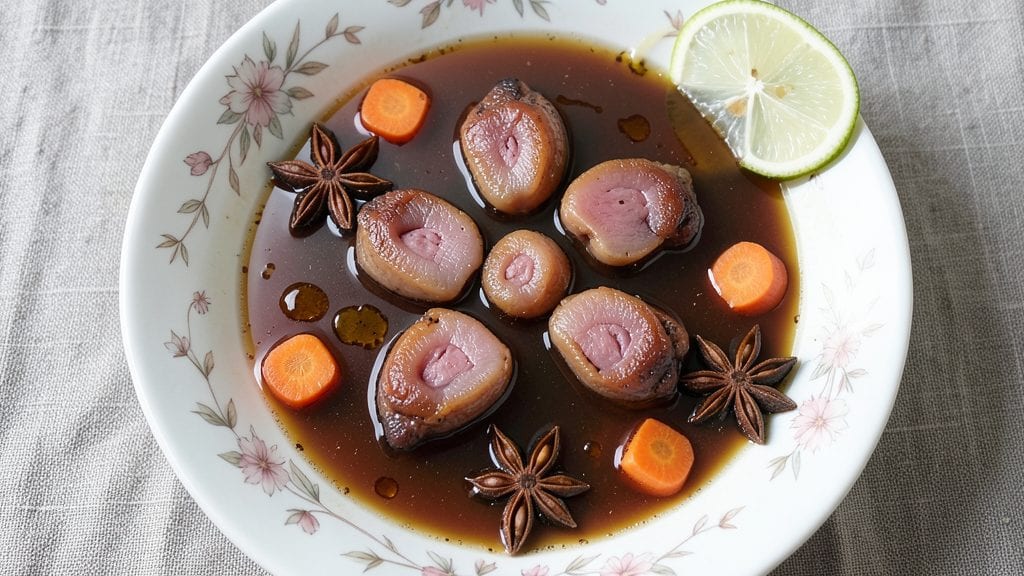
This bird tongue soup recipe delivers a luxurious, umami-rich experience that balances deep savory notes with delicate silkiness—perfect for those who appreciate traditional techniques with a modern twist.
The secret lies in properly preparing the bird tongues, which transform from chewy to melt-in-your-mouth tender when simmered in a slow-cooked broth infused with aromatic roots and herbs.
I first discovered this dish while researching regional variations, and the texture contrast between the silky tongues and hearty broth became an instant obsession.
What sets this recipe apart is the three-stage cooking process: first, the bird tongues are blanched to remove impurities, then slow-braised to break down collagen, and finally finished in the broth for maximum flavor absorption.
The result is a dish that feels both rustic and refined, with a velvety texture that makes every spoonful satisfying. Unlike many soups that rely on meat for body, this version leans into the natural richness of the tongues themselves, paired with just enough vegetables to balance the depth.
The broth becomes the star here—a deep, aromatic base built from chicken stock, ginger, star anise, and a touch of soy sauce for umami complexity. When served, the soup should be steaming hot, with the bird tongues resting just below the surface, their surfaces glistening from the broth.
Garnish with scallions and a drizzle of sesame oil to elevate the dish without overpowering its natural elegance. This is comfort food at its finest, where tradition meets technique to create something truly memorable.
Perfect for special occasions or cozy weeknight dinners, this soup serves 4-6 and comes together in about 2 hours (including prep). The long simmering time is worth it—every minute develops the flavors and transforms the textures into something extraordinary.
Pair it with steamed rice or crusty bread to soak up every last drop of that rich, umami-filled broth.
Ingredients for bird tongue soup
Sixteen ingredients transform into a velvety, umami-rich soup where tradition meets refined technique.
| Ingredient | Amount | Notes |
|---|---|---|
| Bird Tongues 🦆 | 1 ½ lb | Fresh or frozen, cleaned thoroughly |
| Chicken Stock 🍗 | 6 cups | Homemade or high-quality store-bought |
| Ginger Root 🧄 | 2 tbsp | Freshly grated, aromatic |
| Star Anise Pods 🌟 | 4 whole | Whole, lightly crushed |
| Light Soy Sauce 🥢 | 2 tbsp | For umami depth |
| Carrots 🥕 | 3 medium | Peeled, cut into chunks |
| Celery Stalks 🌿 | 3 whole | Trimmed, cut into pieces |
| Onion 🧅 | 1 medium | Yellow or white, sliced |
| Garlic Cloves 🧄 | 6 cloves | Peeled, lightly smashed |
| Scallions 🌱 | 4 whole | Thinly sliced, for garnish |
| Sesame Oil 🫒 | 1 tbsp | Toasted, for finishing |
| Salt 🧂 | 1 ½ tsp | Diamond Crystal kosher |
| Black Peppercorns 🌶️ | 10 whole | Crushed, for seasoning |
| White Rice 🍚 | 2 cups | Uncooked, for serving |
Bird tongues require careful preparation—fresh or high-quality frozen is essential for optimal texture. Specialty butchers or Asian markets are your best sources, as they often carry this unique ingredient. Look for tongues that are plump and have a natural sheen; avoid any with a strong ammonia-like odor. The ginger and star anise should be freshly grated and whole, respectively, to maximize their aromatic impact. For chicken stock, homemade is ideal, but brands like Pacific Foods or Kitchen Basics offer high-quality options that work well in a pinch.
No bird tongues? Substitute with chicken livers or silken tofu for a vegetarian alternative, though texture will differ. Fresh ginger can be swapped for 1 tbsp ground ginger, though fresh is preferred for brightness. Star anise pods are crucial for depth—omit entirely if unavailable, but the dish will lose complexity. For the vegetables, frozen carrots and celery work in a bind, though fresh yields better flavor. The scallions and sesame oil are purely for garnish, so adjust quantities based on preference. If using pre-made stock, choose one with low sodium content to better control seasoning.
Bird tongues should be blanched immediately upon arrival to remove impurities, then stored in the freezer for up to 3 months if not using right away. The finished soup keeps for 4-5 days in the refrigerator, with flavors deepening over time. For long-term storage, freeze in airtight containers for up to 6 months. Reheat gently on the stove, stirring occasionally, to maintain the silky texture. This dish reheats beautifully—even better the next day as flavors meld further.
Why You'll Love This Recipe
- Here’s what sold me: it’s a restaurant-worthy dish without the restaurant price tag. Bird tongues are cheaper than you’d think, and a single stockpot yields generous servings. Plus, star anise and ginger root last forever, so you’re not buying extras just for this recipe. Fancy dinner? Check. Weeknight meal? Still check. It’s the kind of soup that makes you feel indulgent without breaking the bank.
- Fewer Ingredients, Bigger Impact: I swear by this soup because it’s one of those rare recipes where less feels like more. Just five core ingredients—bird tongues, rich stock, ginger, star anise, and a splash of soy—work together to deliver depth without fuss. No chopping mountains of veggies or balancing a dozen spices; the star anise alone adds that warm, licorice-like backbone that lingers.
- Umami Bomb in a Bowl: Honestly, the flavor hits different. Bird tongues soak up the ginger and soy like a sponge, turning tender but still holding their shape—think silky, slightly chewy with a pop of saltiness. The star anise? It’s the secret weapon, giving the broth this faintly sweet, earthy note that makes you want to sip it straight from the pot. (Yes, even on a Tuesday night.)
- Leftovers That Still Shine: Between us, this soup begs for seconds—and thirds. The broth thickens beautifully when reheated, so leftovers taste just as good (if not better) the next day. I’ve brought it to potlucks, packed it for work, and even frozen portions for lazy Sundays. The bird tongues stay plump, and the ginger’s warmth only intensifies with time.
Step-by-step instructions for bird tongue soup
Transform humble bird tongues into a velvety, umami-rich soup with this precise method.
Prepare the Bird Tongues and Aromatics
Begin by thoroughly cleaning the 1.5 lb bird tongues under cold running water, removing any remaining skin or connective tissue. Place them in a large stockpot and cover with cold water. Bring to a boil over medium-high heat, then immediately reduce to a simmer for 15 minutes to blanch. This step removes impurities and prepares the tongues for cooking.
While the tongues simmer, prepare the aromatics. Peel and cut the 3 medium carrots and 3 whole celery stalks into 1-inch chunks. Slice the 1 medium onion into ¼-inch half-moons. Peel and lightly smash the 6 cloves garlic cloves to release their oils without breaking them. Lightly crush the 4 whole star anise pods between a mortar and pestle or heavy pan to release their essential oils. Grate the 2 tbsp ginger root using a fine grater or microplane.
Build the Flavor Base
Drain the blanched bird tongues and set aside. In the same pot, add 6 cups chicken stock and bring to a gentle boil over medium heat. Add the prepared aromatics—carrots, celery, onion, garlic, star anise, and ginger root—along with the 10 whole black peppercorns and 1.5 tsp salt. Reduce heat to low and let the broth simmer uncovered for 30 minutes, allowing the flavors to meld and the aromatics to infuse the liquid.
After 30 minutes, taste the broth. It should be deeply flavorful with a subtle sweetness from the carrots and a warm, spicy note from the ginger. If the broth needs more depth, add 1 tbsp light soy sauce now. The soy sauce will enhance the umami without overpowering the delicate bird tongue flavor. Skim off any foam that rises to the surface during this time to ensure a clear, silky broth.
Cook the Bird Tongues to Perfection
Return the drained bird tongues to the pot and add enough water to cover them by 1 inch. Increase heat to medium-high and bring to a boil. Once boiling, reduce heat to medium-low and let the tongues simmer gently for 45-60 minutes. They are done when they are fork-tender and easily pull apart, signaling that all connective tissue has broken down into a silky texture.
During the final 15 minutes of cooking, add the 2 tbsp light soy sauce to the pot. This step ensures the tongues absorb the umami-rich sauce, deepening their flavor. The tongues should float just beneath the surface of the broth, indicating they are ready. Remove the tongues with a slotted spoon and set them aside in a warm bowl, reserving the cooking liquid.
Strain and Finish the Broth
Strain the cooking liquid through a fine-mesh sieve into a clean pot, pressing gently on the solids to extract every drop of flavor. Discard the solids. Return the strained broth to the pot and bring it to a gentle simmer over low heat. Skim off any remaining foam or impurities that rise to the surface.
Add the cooked bird tongues back to the pot and let them warm through in the broth for 5 minutes. Taste and adjust the seasoning with additional salt or light soy sauce if needed. The broth should be rich, aromatic, and perfectly balanced—sweet from the carrots, spicy from the ginger, and deeply savory from the soy sauce and star anise.
Serve with Toasted Rice and Garnish
While the soup simmers, prepare the 2 cups white rice according to package instructions for al dente texture. Drain any excess water and transfer the rice to a serving bowl. Heat 1 tbsp sesame oil in a small pan over medium heat until fragrant, then drizzle it over the rice and toss gently to coat. This step adds a nutty aroma and subtle toasted flavor.
To serve, ladle the warm bird tongue soup over the toasted rice, ensuring each portion is generously covered with broth. Garnish each serving with the 4 whole scallions, thinly sliced, for a fresh contrast. The soup should be served immediately, as the textures and temperatures work best when fresh. Each spoonful should deliver a harmonious blend of tender bird tongue, silky broth, and aromatic rice.
Pro Tips For Making Bird Tongue Soup
- BLEACH THE TONGUES FIRST: Bird tongues carry a strong, gamey funk that won’t fully disappear in cooking. Soak them in a mix of 1 part white vinegar to 3 parts cold water for 30 minutes before rinsing—this cuts through the odor and makes the final soup taste cleaner. I learned this the hard way after a batch still smelled like a wet dog.
- SIMMER LOW AND LONG: Bird tongues need patience—don’t rush them. After the initial boil, drop the heat to a gentle simmer (just small bubbles breaking the surface) and cook for 1.5–2 hours. High heat makes them tough; low heat keeps them tender and silky. I used to speed this up and ended with rubbery results.
- CRUSH STAR ANISE: Whole star anise pods just sit there, barely infusing. Lightly crush them with the flat side of a knife before adding to the stock—this releases their aromatic oils and makes the soup taste deeper. It’s a 10-second step that actually changes the outcome.
- SALT THE STOCK LATE: Add light soy sauce and salt only in the last 10 minutes of cooking. Early salting concentrates flavors as water evaporates, making the broth taste harsh. Waiting ensures balance and lets the bird tongues absorb the seasoning evenly. I skip this when I’m lazy, but the dish is noticeably better when I don’t.
Wine and beer pairings for this dish
Light White Wine
A crisp, dry Sauvignon Blanc from New Zealand or France is my go-to pairing for this soup. Its bright acidity and citrus notes cut through the richness of the bird tongues while complementing the ginger and star anise in the broth.
Look for a wine with 12-13% ABV—something like Cloudy Bay or Oyster Bay to balance the dish’s depth without overwhelming it. Serve chilled to 45°F for optimal contrast. 🍷
Rice Wine Pairings
For a more traditional approach, especially in East Asian cuisine, serve with dry Chinese rice wine like Shaoxing wine. The nutty, slightly sweet profile enhances the umami of the broth and bird tongues without competing.
A 150ml glass poured at room temperature adds an authentic touch. If you prefer a lighter option, Mirin (sweetened rice wine) can be drizzled over the soup as a garnish for a subtle sweetness. 🍶
Hoppy Beer Options
A wheat beer or pilsner with moderate hop bitterness works surprisingly well, especially if you prefer beer over wine. Brands like Blue Moon Belgian White or Heineken provide a clean, refreshing palate cleanser that highlights the soup’s silky texture.
For a bolder choice, a German Helles Lager offers a malty sweetness that pairs beautifully with the caramelized notes in the broth. Serve at 40-45°F to maintain crispness. 🍺
Sake for Depth
If you’re serving this soup in a Japanese-inspired setting, dry sake like Dassai or Kubota elevates the dish further. The clean, slightly astringent profile of a Junmai Daiginjo enhances the star anise and ginger, while a Nigori (unfiltered) adds a creamy texture that mirrors the soup’s silkiness.
Chill to 40-45°F for the best experience. A 50ml pour is ideal to complement the meal without overpowering it. 🍶
Avoid Heavy Reds
Skip bold red wines like Cabernet Sauvignon or Syrah—their tannins can clash with the delicate bird tongues and overpower the broth’s delicate aromatics.
Instead, opt for lighter reds like Pinot Noir (with 12.5% ABV) if you prefer red wine, as its bright acidity and red fruit notes harmonize better with the dish’s umami profile. Always decant for 30 minutes to soften any remaining tannins. 🍷
Nutrition facts
Frequently asked questions
What makes bird tongue soup different from other rich soups?
The key lies in the silky texture of properly cooked bird tongues, which transform from chewy to melt-in-your-mouth tender through a three-stage cooking process. Unlike traditional meat-based soups, this recipe relies on the natural collagen in bird tongues to create a velvety consistency, while the aromatic broth (infused with star anise and ginger) delivers deep umami without heavy cream or dairy. The result is a lighter yet deeply flavorful dish that feels both luxurious and balanced.
Can I substitute bird tongues with other ingredients?
For a vegetarian version, use silken tofu or chicken livers (though texture will differ). If using tofu, cube it and simmer for 15-20 minutes in the broth to absorb flavors. For a meat alternative, shredded chicken breast works but lacks the unique silkiness. The star anise and ginger remain essential for that signature depth—omit them at your own risk!
Why does the recipe call for blanching the bird tongues first?
Blanching removes impurities and surface proteins that can make the broth cloudy or bitter. Skipping this step risks a muddy texture and off-flavors. The 15-minute simmer also pre-cooks the tongues slightly, ensuring they absorb the broth’s flavors more evenly during the final cooking stage. Think of it as a "reset" for the ingredient—like shocking asparagus for crispness.
How do I know when the bird tongues are fully cooked?
They’re ready when they’re fork-tender and easily pull apart with minimal resistance (about 45-60 minutes of simmering). Press a tongue gently—if it yields like butter and the center is no longer translucent, it’s perfect. Overcooking turns them rubbery, so monitor closely in the final 15 minutes. Pro tip: The tongues should float just below the broth’s surface when done.
Can I make this soup ahead of time?
The flavors deepen overnight. Store in an airtight container in the fridge for 4-5 days or freeze for up to 6 months. Reheat gently on the stove, stirring occasionally to maintain silkiness. The broth may thicken slightly—add a splash of water if needed. Leftovers actually taste better the next day as the umami intensifies!