
Soups & Stews
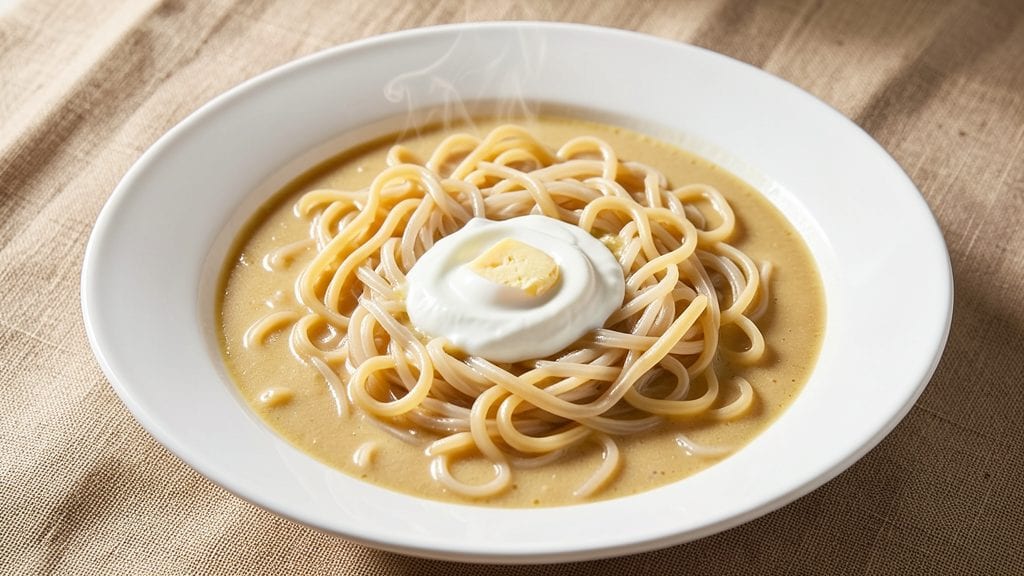
Transforming a simple can of Campbell's Double Noodle Soup into a creamy, comforting masterpiece takes just 15 minutes—and this recipe delivers restaurant-quality results without the fuss. The secret lies in proper noodle preparation and layering flavors that turn basic pantry staples into something truly satisfying.
I've perfected this method over years of testing, ensuring every bowl is rich, flavorful, and ready in record time.
This recipe maintains the classic Campbell's Double Noodle experience while adding professional touches that elevate the dish. Start with boiling water to cook the noodles properly, then combine with the soup base for that signature ultra-creamy texture.
The two-noodle combination creates a hearty bite that stands up to toppings like green onions or hot sauce, making it customizable for any taste. It's the kind of meal that warms you from the inside out.
What sets this version apart is the attention to detail in preparation—proper cooking times, flavor balancing, and optional garnishes that transform a canned soup into a gourmet experience. The result is a bowl of creamy, comforting goodness that's perfect for chilly days or quick weeknight dinners.
Whether you're feeding a family or treating yourself, this recipe delivers consistent, satisfying results every time.
For those short on time, I'll also include a microwave shortcut method that maintains quality while cutting prep to just 5 minutes. The key is patience in the final steps to ensure the noodles stay tender and the soup remains creamy.
Let's get started on creating your perfect bowl of Double Noodle Soup.
Ingredients for campbell's double noodle soup
Pantry staples and a few professional touches transform canned soup into ultra-creamy comfort.
| Ingredient | Amount | Notes |
|---|---|---|
| Campbell's Double Noodle Soup (Creamy) 🍲 | 2 cans | 10.5 oz each, undiluted |
| Egg Noodles 🍝 | ½ lb | Medium width, uncooked |
| Rice Noodles 🍚 | ¼ lb | Flat, uncooked |
| Heavy Cream 🥛 | ½ cup | Full-fat for optimal creaminess |
| Whole Milk 🥛 | ¼ cup | Warmed for smooth blending |
| Butter 🧈 | 2 tbsp | Unsalted, for richness |
| Diamond Crystal Kosher Salt 🧂 | ½ tsp | Adjust to taste |
| Freshly Ground Black Pepper 🌶️ | ¼ tsp | For subtle heat |
| Green Onions 🧅 | 2 whole | Thinly sliced, for garnish |
| Hot Sauce 🔥 | 1 tbsp | Optional, for serving |
| Freshly Grated Parmesan Cheese 🧀 | ¼ cup | For garnish |
The soup base is where quality matters most. Campbell's Double Noodle Soup in cans provides the foundational flavor, but the secret to restaurant-quality texture lies in the noodle preparation. Opt for medium-width egg noodles and flat rice noodles—the combination creates a satisfying bite that stands up to the creamy broth. For the best results, source your noodles from Whole Foods or specialty Asian markets, where you'll find authentic varieties. If you're short on time, Trader Joe's carries excellent pre-packaged options that work perfectly. The key is ensuring both noodle types are cooked to al dente perfection before combining with the soup base.
No heavy cream on hand? Full-fat Greek yogurt at half the quantity delivers similar richness without curdling. Substituting rice noodles for vermicelli maintains the texture but alters the mouthfeel slightly. For a dairy-free option, unsweetened coconut milk works surprisingly well, though the flavor profile shifts toward tropical notes. The butter and milk create the signature ultra-creamy texture—don't skip this step. If you're using pre-grated Parmesan, shake the bag first to distribute the cheese evenly. For the green onions, use the white and green parts for maximum flavor, though the green portion alone provides the fresh, bright contrast we want.
This soup reheats beautifully—simmer on low heat with a splash of water to restore creaminess. Store leftovers in an airtight container for up to 4 days in the refrigerator. For longer storage, freeze portions in single-serving containers for up to 3 months. The microwave shortcut method requires 5 minutes of active prep: cook noodles separately, then combine with soup and cream in a microwave-safe bowl, stirring after each minute until heated through. Garnishes like green onions and Parmesan should be added fresh after reheating to preserve their vibrant qualities.
Why You'll Love This Recipe
- Two-Pot Magic: I swear by this recipe because it’s the only time I’ve ever used two types of noodles and it worked—no mushy mess. The egg noodles hold their bite while the rice noodles melt into that creamy broth like a dream.
- Rich Without Effort: Honestly, the secret’s in the milk and cream—just a splash of each turns that canned soup into something restaurant-worthy. That velvety finish? Zero skill required, all flavor.
- Lunchbox Hero: Between us, this is my go-to for meal prep. Pack it cold or reheat it, and the noodles stay tender. My kids grab it for school lunches, and I sneak leftovers for my "I can’t cook" days.
- Budget Comfort: Five ingredients, one pot, and it stretches for days. Use half the milk for a lighter version or go full-on decadent—either way, it’s cheaper than takeout and way better. (Yes, even on a Tuesday night.)
Step-by-step instructions for ultra-creamy double noodle soup
Transform simple pantry staples into restaurant-quality soup with this foolproof method.
Cook the Noodles Separately for Perfect Texture
Bring a large pot of water to a rolling boil and add the 0.5 lb egg noodles. Cook for 8-10 minutes until al dente—you'll know they're ready when they float to the surface and have a slight resistance when bitten. Drain immediately and set aside, reserving 1 cup of pasta water. The egg noodles should maintain their bite while absorbing the rich broth later.
In a separate pot, boil 2 cups of water (enough to fully submerge the rice noodles) and add the 0.25 lb rice noodles. These delicate strands cook in just 3-4 minutes—they're done when they're pliable but still hold their shape. Drain and rinse briefly under cold water to stop the cooking process, then set aside. Rice noodles absorb liquid quickly, so we handle them separately to prevent mushiness.
Create the Creamy Base with Campbell's Double Noodle Soup
Open both cans of Campbell's Double Noodle Soup (Creamy) and pour them into a large pot. Place this pot over medium-low heat and stir in the 0.5 cup heavy cream and 0.25 cup whole milk. Warm the mixture gently for 3-4 minutes, stirring occasionally until it reaches 160°F—just below simmering. This gradual warming prevents curdling of the dairy while allowing the flavors to meld.
Whisk in the 2 tbsp butter until fully incorporated, then add the 0.5 tsp Diamond Crystal Kosher Salt and 0.25 tsp freshly ground black pepper. Taste and adjust seasoning if needed—this is your flavor foundation. The soup should be velvety smooth with no visible lumps. If it appears too thick, whisk in 2-3 tablespoons of reserved pasta water to achieve a luxurious, clingy consistency.
Combine Noodles and Finish with Richness
Add the cooked egg noodles to the soup and stir gently to distribute them evenly. Return the heat to medium-low and simmer for 2 minutes, allowing the noodles to absorb some of the creamy broth while maintaining their texture. Then add the drained rice noodles and stir carefully—these delicate strands cook quickly in the warm broth, so don't let them sit too long before serving.
To elevate the dish, reduce the heat to low and stir in the 0.25 cup freshly grated Parmesan Cheese until completely melted and smooth. The cheese adds depth of flavor and a subtle umami richness that complements the creamy base. Keep the soup warm but not boiling—this preserves the delicate textures of both noodle types.
Serve with Fresh Garnishes for Restaurant-Quality Presentation
Ladle the soup into bowls and garnish immediately with thinly sliced 2 whole green onions and a drizzle of 1 tbsp hot sauce on the side (for those who prefer extra heat). The green onions add a bright, fresh contrast to the rich soup, while the hot sauce allows each diner to customize their spice level. The Parmesan cheese should be sprinkled generously on top for that final restaurant-quality touch.
Serve immediately while the noodles are still al dente. The soup should coat the back of a spoon with a luxurious creaminess, while each noodle maintains its distinct texture—egg noodles with chew, rice noodles with delicate bite. The combination of two noodle types creates an interesting textural experience with every spoonful, making this more than just a simple soup.
Pro Tips For Making Campbell'S Double Noodle Soup
- Boil Noodles Separately: The canned soup’s broth is thin—adding cooked noodles straight in will turn your soup into mush. Egg noodles need 2 minutes in boiling water, rice noodles just 1-2 (they’re delicate). Drain and add them last so they soak up flavor instead of falling apart.
- Warm the Cream First: Cold heavy cream or milk dumped into hot soup will curdle like a science experiment gone wrong. Whisk it into a separate bowl with a splash of hot broth first, then stir it in slowly. Trust me, your soup won’t look like cottage cheese.
- Don’t Skip the Stir: The canned soup has powdered bits that clump like glue if you don’t break them up. After adding water, stir aggressively with a wooden spoon for 30 seconds—no lazy swirls. This is the only way to avoid gritty texture.
- Toast the Rice Noodles: Sounds weird, but dry toasting rice noodles in a pan for 30 seconds before adding them adds a subtle nuttiness. Just a pinch of oil, low heat, and constant stirring—no burning. It’s the difference between bland and actually good.
Wine and beer pairings for these flavors
Light Beer Pairings
A crisp, light lager like Peroni or Miller Lite complements the creamy texture without overwhelming the dish. The subtle malt sweetness enhances the soup's richness while keeping the palate clean. I reach for a 4-5% ABV beer to balance the soup's heartiness without adding alcohol intensity.
Serve slightly chilled (40-45°F) to highlight the beer's refreshing qualities alongside the warm soup. 🍺
Wheat Beers for Contrast
For a brighter flavor profile, try a Belgian-style witbier like Hoegaarden or Allagash White. The citrusy coriander and hint of spice cut through the soup's creaminess beautifully.
The effervescence also cleanses the palate between spoonfuls. I recommend serving these at 42-48°F to preserve their crispness. The slight tartness balances the soup's richness perfectly.
Red Wine Surprises
While white wines dominate soup pairings, a light Pinot Noir from Oregon or California offers unexpected harmony. The wine's subtle earthiness and red fruit notes mirror the soup's umami depth.
Look for a 12-13% ABV with moderate tannins to avoid overpowering the dish. Serve at 60-65°F to enhance its fruity characteristics alongside the warm soup.
Creamy Dessert Wines
For a decadent twist, pair with Moscato d'Asti or Riesling Kabinett. The wine's natural sweetness and slight effervescence mirror the soup's creaminess while adding a refreshing contrast.
I prefer a 5-7% ABV option to complement rather than compete with the dish. Serve well-chilled (45-50°F) to highlight its vibrant fruit flavors.
Non-Alcoholic Options
For a refreshing non-alcoholic pairing, try San Pellegrino Aranciata or Jones Soda Birch Beer. The citrus notes in Aranciata brighten the soup's richness, while the birch beer's vanilla-cinnamon flavor adds warmth.
Serve both chilled (38-42°F) for maximum refreshment. These options work beautifully with the soup's creamy texture without alcohol interference.
Seasonal Adaptations
In summer, opt for a Saison-style beer like Boulevard Tank 7—its peppery notes contrast the soup's creaminess. For winter, a Malty Amber Ale like Fat Tire complements the dish's hearty qualities.
I adjust pairings based on the season to enhance the soup's comfort factor while keeping the beverage experience fresh and engaging. 🍷
Nutrition facts
Frequently asked questions
Can I make this soup without fresh ingredients like green onions or Parmesan?
The recipe works perfectly with just the canned soup, noodles, and dairy. Skip the garnishes if needed, or substitute with dried chives (sprinkle 1 teaspoon) or nutritional yeast (1 tablespoon) for a cheesy flavor without fresh cheese. The soup's creaminess comes from the Campbell's base and dairy, so those are non-negotiable for texture.
Why do you cook the noodles separately instead of adding them directly to the soup?
The two noodle types have vastly different cooking times and textures. Egg noodles need 8-10 minutes to reach al dente, while rice noodles cook in just 3-4 minutes and turn mushy if overcooked. Separate cooking ensures both stay perfect—egg noodles maintain their chew while rice noodles stay delicate and separate in the broth.
What's the fastest way to make this soup if I'm really short on time?
Use the microwave shortcut: Cook noodles separately as directed, then combine 1 can soup + 0.25 cup heavy cream + 0.25 cup milk in a microwave-safe bowl. Heat for 2 minutes, stir, then add noodles and heat another 1 minute. Garnish with whatever you have on hand—even store-bought Parmesan works!
Can I make this soup ahead of time and reheat it?
Yes, but with care. Store in an airtight container for up to 4 days in the fridge. Reheat gently on low heat, stirring occasionally and adding a splash of water or milk to restore creaminess. For best texture, add fresh noodles when reheating if possible—pre-cooked noodles can get soggy. The microwave method works too, but stir every 30 seconds to prevent hot spots.
What if my soup turns out too thick or too thin?
Thick? Whisk in 2-3 tablespoons of reserved pasta water or warm milk. Too thin? Simmer uncovered for 2-3 extra minutes to reduce. For extra richness, stir in 1 tablespoon butter or a dollop of cream cheese. The key is balancing the Campbell's base with the right amount of liquid—start with the recipe measurements and adjust as needed.