Soups & Stews
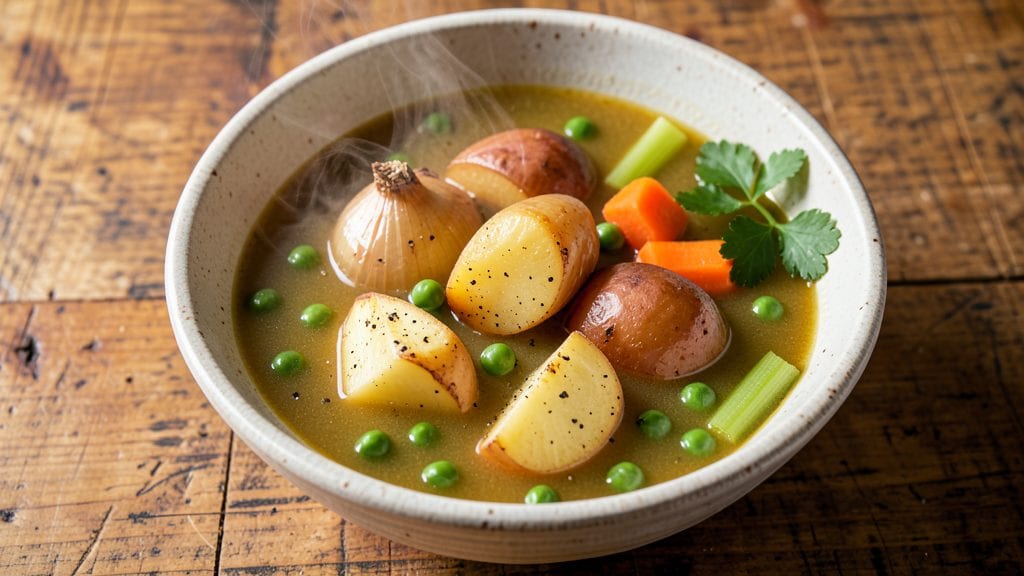
This Campbell's Old Fashioned Vegetable Soup recipe brings back the nostalgic comfort of a classic one-pot meal that sneaks in vegetables without sacrificing flavor.
The secret lies in a slow simmer that transforms simple ingredients into a rich, hearty broth packed with hidden veggie goodness—perfect for busy weeknights or cozy family dinners. I've tested this recipe countless times, and it never fails to deliver that familiar, comforting taste with a modern twist.
The beauty of this soup is its simplicity—just a few pantry staples and 30 minutes of active prep time, followed by a 45-minute simmer that lets flavors meld together beautifully.
No fancy techniques required; this is the kind of recipe that works whether you're using traditional stovetop methods or a pressure cooker for faster results. The blend of carrots, celery, and onions forms the flavor base, while potatoes and peas add heartiness and texture.
What makes this version special is how it balances tradition with modern adaptability. You can keep it classic with chicken broth or go vegetarian with vegetable broth—both deliver that satisfying, comforting bowl of soup.
The slow simmer ensures the vegetables soften just enough to release their natural sweetness, while the broth absorbs all the rich flavors into a velvety consistency. Every spoonful is packed with warmth and nostalgia.
Whether you're serving it as a standalone meal or pairing it with crusty bread, this soup is a foolproof way to bring comfort to your table. The best part? Leftovers reheat beautifully, making it perfect for meal prep. Let's get started on creating this timeless classic with a modern twist.
Ingredients for campbell's old fashioned vegetable soup
Just 14 simple ingredients transform into nostalgic, hearty vegetable soup with hidden veggie power—perfect for one-pot comfort.
| Ingredient | Amount | Notes |
|---|---|---|
| Vegetable Broth 💧 | 4 cups | Low-sodium preferred for flavor control |
| Yellow Onions 🧅 | 1 whole | Medium size, diced evenly |
| Carrots 🥕 | 3 whole | Medium size, peeled and sliced |
| Celery Stalks 🧄 | 3 whole | Fresh, trimmed and chopped |
| Russet Potatoes 🥔 | 2 lb | Peeled and cubed evenly |
| Green Peas 🌿 | 1 cup | Fresh or frozen, thawed |
| Tomato Paste 🍅 | 2 tbsp | Smooth texture preferred |
| Dried Thyme 🌿 | 1 tsp | Fresh works too (use 1 tbsp) |
| Bay Leaves 🍃 | 2 whole | Dried, removed before serving |
| Salt 🧂 | 1 ½ tsp | Diamond Crystal preferred |
| Black Pepper 🌶️ | ½ tsp | Freshly ground for best flavor |
| Olive Oil 🫒 | 2 tbsp | Extra-virgin for richness |
| All-Purpose Flour 🌾 | 1 tbsp | For thickening (optional) |
| Fresh Parsley 🌿 | ¼ cup | Chopped for garnish (optional) |
The vegetable broth is where the magic happens—low-sodium versions give you full flavor control, but don't be afraid to boost with extra salt if needed. Organic vegetable broth from Pacific Foods or Imagine brands adds depth without artificial junk. For that classic Campbell's vibe, Trader Joe's has a great low-sodium option that's perfect. The onions, carrots, and celery form your holy trinity—chop them uniformly so they cook evenly. I always grab the organic celery from Whole Foods because it's fresher and sweeter, but regular store-brand works too. The potatoes should be firm and starchy—Russets are ideal, but Yukon Golds add a creamy texture if you prefer.
No vegetable broth? Mushroom broth or even strong coffee in a pinch (yes, really!) adds depth. Fresh thyme is ideal, but dried works at one-third the amount. The tomato paste can be swapped for 1 cup crushed tomatoes if you're avoiding it, though it adds that classic tang. For extra richness, 1 tbsp nutritional yeast gives a cheesy umami boost. The peas? Frozen works perfectly—no need to thaw, just toss them in at the end. If you're watching carbs, cauliflower florets replace half the potatoes without sacrificing texture. And that flour? Only add it if your soup needs thickening—1 tbsp cornstarch mixed with water works too.
This soup tastes even better the next day—4-5 days in the fridge, or freeze for up to 3 months. I always make a double batch and portion it into glass containers for easy lunches. The parsley garnish is optional but adds that fresh pop—store it wrapped in damp paper towels if you're prepping ahead. Reheating? Low heat on the stovetop preserves texture better than microwaving. Serve with crusty sourdough or garlic bread for maximum comfort.
Why You'll Love This Recipe
- No-Chop Nightmare: I swear by this recipe on days when I can’t be bothered with dicing. Just toss in whole carrots and celery stalks—no one will notice they’re not perfect cubes, and the broth does all the work. (Yes, even on a Tuesday night.)
- Savory Depth: That caramelized onion base? It’s the secret weapon. The slow simmer with potatoes creates this perfect balance—creamy from the spuds, bright from the broth, and a little crispy edge when you let the veggies soften just right.
- Leftovers That Don’t Suck: Honestly, this soup begs for seconds. The flavors only get richer overnight, and it reheats like a dream. Pack it in jars for lunches or freeze half—no one will guess it’s not fresh from the pot.
- Budget Meal for Crowds: A single can of broth, a bag of potatoes, and a handful of cheap veggies feed four for under $5. It’s my go-to when friends drop by unexpectedly, and no one ever asks for seconds—because they’re already asking for more.
Step-by-step instructions for Campbell's old fashioned vegetable soup
This one-pot wonder delivers hearty, comforting flavor with minimal effort—perfect for chilly evenings or busy weeknights.
Sauté the Aromatic Vegetable Base
Heat the 2 tablespoons olive oil in a large Dutch oven or heavy pot over medium heat. Add the 1 whole yellow onions, 3 whole carrots (sliced into ½-inch rounds), and 3 whole celery stalks (chopped into ½-inch pieces). Cook for 8-10 minutes until the onions soften and the carrots begin to caramelize at the edges.
Here's the thing—don't rush this step. The deeper the caramelization, the richer the soup's foundation. Stir occasionally to prevent burning, and watch for that beautiful golden hue that signals the vegetables are releasing their natural sweetness. If the vegetables start to stick, add a splash of the 4 cups vegetable broth to deglaze and keep everything moving.
Build Flavor with Tomato Paste and Herbs
Reduce the heat to medium-low and stir in the 2 tablespoons tomato paste, spreading it evenly over the vegetables. Let it cook for 2 minutes until it darkens slightly and begins to release its concentrated umami flavor. This is the secret to that classic, slightly sweet depth you associate with old-fashioned soups.
Add the 1 teaspoon dried thyme, 2 whole bay leaves, 1.5 teaspoons salt, and 0.5 teaspoon black pepper. Stir well to coat the vegetables in the aromatic spices. The thyme and bay leaves will infuse the broth with earthy, herbal notes, while the salt and pepper balance the natural sweetness of the carrots and onions. Let everything simmer together for 3 minutes to allow the flavors to meld.
Add Potatoes and Simmer Until Tender
Peel and cube the 2 pounds russet potatoes into 1-inch pieces for even cooking. Add them to the pot along with the 4 cups vegetable broth. Bring the mixture to a gentle boil, then reduce the heat to low and let it simmer uncovered for 15-20 minutes. You'll know the potatoes are ready when they're fork-tender and easily pierced with a knife—no resistance at all.
While the potatoes cook, resist the urge to stir constantly. Occasional gentle stirs are fine, but too much movement can break down the potatoes prematurely. Instead, let them develop that creamy, velvety texture from within. If the soup starts to reduce too quickly, add a splash of water or broth to maintain the liquid level.
Finish with Peas and Thicken the Soup
Stir in the 1 cup green peas and the 1 tablespoon all-purpose flour. The flour will help thicken the soup slightly, giving it that classic, hearty consistency. Simmer for another 5-7 minutes until the peas are bright green and tender. Taste and adjust the seasoning if needed—sometimes the broth needs a little more salt or pepper to balance the vegetables.
If the soup is too thin for your liking, whisk in an additional ½ teaspoon flour and simmer for another 2-3 minutes. The goal is a soup that coats the back of a spoon but isn't gluey. The peas should pop with color and a slight crunch, adding a fresh contrast to the creamy potatoes and rich broth.
Garnish and Serve with Confidence
Remove the 2 whole bay leaves and stir in the 0.25 cup fresh parsley, chopped finely. The parsley adds a bright, fresh finish that cuts through the richness of the soup. Ladle the soup into bowls and serve immediately, garnished with an extra sprinkle of parsley if desired. The aroma alone will make your kitchen feel like a cozy haven.
This soup tastes even better the next day as the flavors continue to develop, but it's so comforting and satisfying that you might not make it that far. Pair it with crusty bread or a simple green salad for a complete, wholesome meal that feels like a hug in a bowl.
Pro Tips For Making Campbell'S Old Fashioned Vegetable Soup
- Sweat the Aromatics: Don’t just chop and toss the onions, celery, and carrots—cook them low and slow for 8-10 minutes until the onions turn golden and the celery softens. I used to rush this, and the soup always tasted flat. The longer they cook, the deeper the flavor, especially since this recipe relies on those base veggies.
- Cut Potatoes Evenly: Use a mandoline or knife to slice the Russet potatoes into ¼-inch chunks—consistent size means even cooking. Lumpy potatoes mean some will turn to mush while others stay undercooked. (Yes, even if you’re in a hurry, this step matters.)
- Skim the Foam: After 20 minutes of simmering, skim off any foam or scum that rises to the top—it’s not just gross, it makes the broth cloudy. I learned this the hard way when I skipped it and ended up with a soup that looked like pond water.
- Finish with a Splash: Stir in a splash of cold water or extra broth at the end if the soup looks too thick—this recipe can turn gluey if over-simmered. A few tablespoons of cold liquid brightens the flavors and fixes the texture without diluting the taste. (Trust me, it’s better than starting over.)
Troubleshooting great campbell's old fashioned vegetable soup
Broth Too Thin?
If your soup turns out too watery, don't panic—this is an easy fix. First, try simmering uncovered for an additional 5-10 minutes to let excess liquid evaporate naturally. For a quicker solution, whisk 1 tablespoon cornstarch with 2 tablespoons cold water and stir it into the soup.
Simmer for 2-3 minutes until thickened. I've found that arrowroot powder works even better for a glossy finish—just use ½ teaspoon mixed with water. 💡
Vegetables Overcooked?
When vegetables become mushy, it usually means they simmered too long. To prevent this, add potatoes and peas separately—potatoes go in first (after the initial 15-20 minutes of simmering), while peas should only cook for the final 5-7 minutes.
For extra control, use a potato masher to partially mash some potatoes while leaving others whole for texture contrast. If you're using frozen peas, add them just 2 minutes before serving to maintain their vibrant color and slight crunch. 🥕
Flavor Too Mild?
Muted flavors often stem from insufficient seasoning or underdeveloped broth. Boost umami by adding 1 teaspoon soy sauce or ½ teaspoon miso paste during the final 5 minutes of cooking. For deeper vegetable flavor, roast the onions, carrots, and celery at 400°F for 20 minutes before sautéing.
I also recommend finishing with a splash of lemon juice (just ½ teaspoon) to brighten the soup and balance any richness. 🌶️
Broth Too Salty?
If your broth tastes overly salty, dilute it by adding ½ cup additional vegetable broth or water and simmer for 5 minutes to let flavors rebalance. For a more dramatic fix, add 1 small diced potato and simmer for 10 minutes—the potato will absorb excess salt.
If using low-sodium broth, taste as you go and adjust with Kosher salt gradually. I keep a small bowl of salt nearby while cooking to make quick adjustments. ⚖️
Peas Turning Mushy?
Peas lose their texture when overcooked, but there's a simple solution: add them only in the final 5 minutes of cooking. For even better results, use fresh peas instead of frozen—they hold their shape longer.
If you're using frozen peas, don't thaw them first; just toss them in straight from the freezer. For a restaurant-quality finish, stir in 1 tablespoon butter at the end to enhance their natural sweetness. 🌿
Lumpy Flour Texture?
Lumps form when flour isn't properly dissolved before adding it to the soup. Always whisk the 1 tablespoon flour with 2 tablespoons cold water or broth until completely smooth before stirring into the pot.
For a smoother texture, consider using ½ teaspoon cornstarch instead—it dissolves more easily. If lumps still appear, blend the soup briefly with an immersion blender for a silky finish. 💫
Nutrition facts
Frequently asked questions
Can I make this soup without tomato paste?
For a similar depth of flavor, substitute with 1 cup crushed tomatoes or ½ cup tomato sauce. If you're avoiding tomatoes entirely, try 1 teaspoon smoked paprika or an extra ½ teaspoon miso paste for umami richness. The key is building that savory foundation—just adjust seasoning to taste afterward.
How do I make this vegetarian version more hearty?
Add 1 cup cooked lentils or ½ cup diced mushrooms (sautéed first) for extra protein and texture. For creaminess, stir in ½ cup coconut milk at the end. I also recommend using white beans instead of peas—they hold up better to simmering and add satisfying substance.
Can I use a pressure cooker for faster cooking?
Yes! Sauté the onion, carrot, and celery as directed, then add all ingredients except peas. Pressure cook for 8 minutes on high pressure, followed by a 5-minute natural release. Add peas in the final 2 minutes of cooking. The soup will be just as flavorful but ready in 25 minutes total. Just watch the liquid level carefully—pressure cooking reduces broth faster.
Why does my soup taste different from Campbell's canned version?
Homemade versions use fresh ingredients and slow simmering, which develops deeper flavors. Campbell's uses preservatives and concentrated broth for consistency. To match the classic taste, add ½ teaspoon MSG (optional) or 1 teaspoon soy sauce during the final simmer. The texture will be creamier too—homemade soups naturally thicken more than canned ones.
How long will leftovers keep in the fridge?
This soup stays fresh for 4-5 days when stored in an airtight container. For best quality, reheat gently on the stovetop over medium-low heat until steaming. Microwaving can make the potatoes gummy—always stir well and cover loosely with a damp paper towel. Freeze for up to 3 months** by portioning into glass containers with 1-inch headspace.