
Soups & Stews
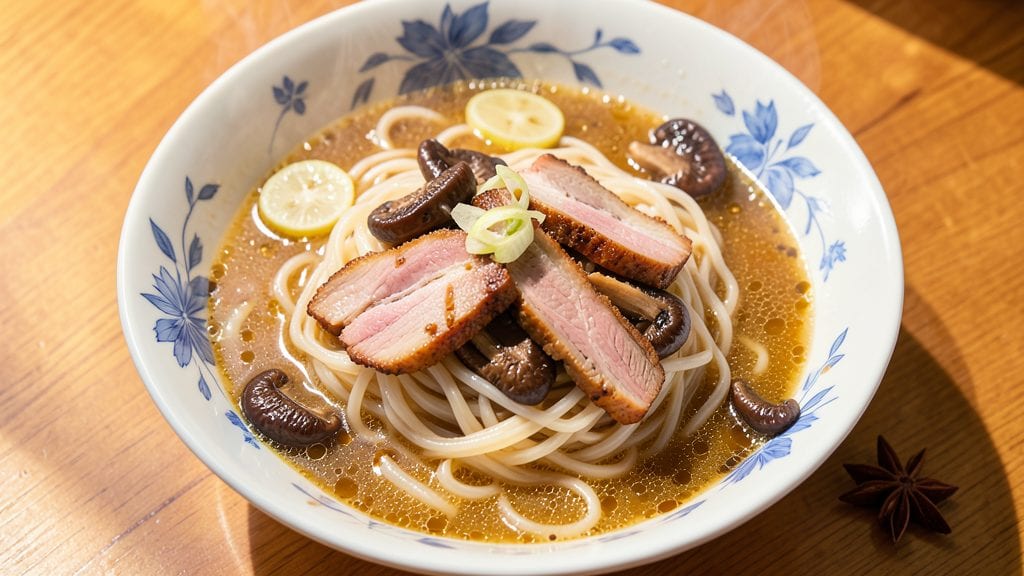
This Cantonese soup recipe delivers the perfect balance of silky noodles, tender pork, and a deeply flavorful broth that captures the essence of Hong Kong's street food culture.
The secret lies in the umami-packed broth, simmered with star anise, dried shiitake mushrooms, and a touch of soy sauce—layering complexity without overpowering the delicate ingredients.
I first discovered this dish while traveling in Kowloon, where vendors served it piping hot from steaming woks, and it became an instant favorite for its comforting warmth and satisfying texture.
The dish combines slippery rice noodles—traditionally known as lo mein noodles—with thinly sliced pork that cooks just until tender, absorbing the rich flavors of the broth.
What makes this recipe special is the two-stage cooking process: first, the broth is built slowly to develop depth, then the noodles and pork are added together for a harmonious finish. This method ensures every bite is infused with savory notes while maintaining the noodles' signature chewiness.
By the time you finish, you'll have a bowl of restaurant-quality Cantonese soup that's ready in under 45 minutes—faster than takeout but packed with the same bold, comforting flavors.
The aroma alone will draw everyone to the table, while the first spoonful delivers that perfect marriage of tender pork, slippery noodles, and a broth so flavorful it lingers on your palate. This is the kind of dish that transforms a simple meal into a cultural experience.
Serve it as a light lunch or a hearty dinner, especially on cooler days when a steaming bowl of soup feels like a hug. The recipe also works beautifully with variations like adding bean sprouts for crunch or swapping pork for shrimp.
Let's bring the flavors of Canton to your kitchen—one steaming bowl at a time.
Ingredients for cantonese soup
These 14 ingredients bring Hong Kong's street food flavors to your kitchen—simple yet packed with umami.
| Ingredient | Amount | Notes |
|---|---|---|
| Slippery Rice Noodles (Lo Mein Noodles) 🍜 | 8 oz | Dried, soaked in warm water |
| Pork Shoulder 🥩 | 1 ½ lb | Thinly sliced, fat cap removed |
| Star Anise 🌿 | 2 whole | For aromatic depth |
| Dried Shiitake Mushrooms 🍄 | 4 whole | Rehydrated in warm water |
| Fresh Ginger 🧅 | 1 ½ tbsp | Grated, peeled |
| Light Soy Sauce 🥄 | 3 tbsp | For umami balance |
| Sesame Oil 🫒 | 1 tbsp | For finishing aroma |
| Green Onions 🧅 | 4 whole | Sliced, white and green parts |
| Garlic Cloves 🧄 | 6 cloves | Minced, fresh preferred |
| Bean Sprouts 🌱 | 1 cup | Optional, for crunch |
| Chicken Broth 💧 | 4 cups | Homemade or quality store-bought |
| White Peppercorns 🌶️ | ½ tsp | Ground, for subtle heat |
| Sesame Seeds 🌾 | 1 tbsp | Toasted, for garnish |
| Cornstarch 🌾 | 1 tbsp | For noodle thickening |
The pork shoulder is non-negotiable—ask your butcher for thin slices (about 1/8-inch thick) or slice it yourself with a sharp knife. Costco or Whole Foods usually carry pre-sliced pork for stir-fry. For the dried shiitake, Asian markets have the best selection—look for plump, dark caps. Star anise? The spice aisle at Trader Joe's is your best bet if you don't have an Asian grocery nearby. Fresh ginger should smell citrusy and bright—no moldy spots. And the noodles? Martini or King Noodle brands are the gold standard for that signature slippery texture.
No pork? Shrimp or chicken thighs work great—just adjust cooking time. Short on shiitake? Cremini mushrooms at half the amount add earthiness. The soy sauce can be swapped for coconut aminos if you're avoiding gluten. For a vegetarian version, use mushroom broth and extra bean sprouts. The sesame oil is for aroma only—use the toasted kind from the Asian aisle, not the cheap cooking oil. And if your green onions are huge, just use the white and light green parts—the dark green gets bitter.
Broth keeps for 5 days in the fridge—make extra for next-day soup. The noodles soak best in warm water (not boiling) for 10-12 minutes. Store cooked portions in airtight containers for 3 days. Freeze the broth without noodles for up to 3 months. Pro tip: Add a splash of sesame oil to reheated soup for that fresh-from-the-wok flavor.
Why You'll Love This Recipe
- One-Pot Magic: I swear by this recipe when I’m too tired to clean a million dishes. The pork shoulder and mushrooms simmer together, the star anise infuses the broth effortlessly, and by the time the noodles go in, you’re left with one pot to rinse. No chopping boards left in the sink—just satisfaction.
- Umami Bomb: That pork shoulder, slow-cooked until it’s falling off the bone, melts into the broth with the dried shiitakes, creating a depth of flavor that’s hard to beat. The ginger and star anise add warmth without overpowering—it’s the kind of taste that lingers and makes you want to take a second bowl.
- Leftover Goldmine: This soup only gets better the next day. The noodles soften just right, the broth absorbs all the flavors, and reheating it is a breeze. I make a big batch on Sundays because it’s my go-to for lazy lunches or when I need to feed the whole family without stressing.
- Budget-Friendly Luxury: Pork shoulder and dried shiitakes stretch for miles, and the star anise adds that restaurant-quality aroma without breaking the bank. It’s the kind of meal that feels special but won’t drain your wallet—perfect for weeknights when you still want to treat yourself.
Step-by-step instructions for slippery noodles and pork in umami broth
This Cantonese classic delivers silky noodles and tender pork in a rich, aromatic broth.
Prepare the Pork and Aromatics
Slice the 1.5 lb pork shoulder into thin strips about ¼-inch thick. You want even cooking, so keep the pieces uniform. In a large bowl, combine the pork with 3 tbsp light soy sauce and let it marinate for 15 minutes—this adds depth of flavor and helps tenderize the meat.
While the pork marinates, rehydrate the 4 whole dried shiitake mushrooms by soaking them in warm water for 20 minutes. Drain and finely chop them, reserving ¼ cup of the soaking liquid. Peel and grate 1.5 tbsp fresh ginger, then mince 6 cloves garlic cloves. These aromatics form the flavor base of your broth.
Build the Umami-Packed Broth
Heat 1 tbsp sesame oil in a large pot over medium-high heat. Add the pork strips and sear for 3-4 minutes until lightly browned. Remove the pork and set aside. In the same pot, add the chopped shiitake mushrooms, ginger, and garlic. Sauté for 2 minutes until fragrant—this releases their natural oils and intensifies their flavors.
Add 2 whole star anise and 0.5 tsp ground white peppercorns to the pot. Pour in 4 cups chicken broth and the reserved mushroom soaking liquid. Bring to a boil, then reduce heat to medium-low and simmer for 20 minutes. The broth should reduce slightly and develop a deep, aromatic aroma. Skim off any foam that rises to the surface for a cleaner broth.
Cook the Noodles and Finish the Dish
Soak the 8 oz slippery rice noodles in warm water for 10-12 minutes until pliable but still slightly firm. Drain and rinse briefly under cold water to stop cooking. Add the noodles to the simmering broth along with the marinated pork. Cook for 5-6 minutes until the noodles are tender and the pork is fully cooked through.
Stir in 1 tbsp cornstarch mixed with 2 tbsp cold water to slightly thicken the broth, giving it that signature Cantonese soup consistency. Taste and adjust seasoning with a splash more light soy sauce if needed. The broth should be rich, savory, and balanced—not overpowering.
Assemble and Serve
Divide the noodles and pork evenly among 4 bowls. Top each serving with 1 cup bean sprouts for crunch and 4 sliced green onions (white and green parts) for freshness. Drizzle with a final touch of 1 tbsp sesame oil and sprinkle with 1 tbsp toasted sesame seeds. The contrast of textures and temperatures makes every bite exciting.
Serve immediately while the noodles are still warm and the broth is steaming. This dish is all about the harmony of silky noodles, tender pork, and that deeply flavorful broth—each element should shine without overpowering the others. Enjoy straight from the pot for the full experience!
Pro Tips For Making Cantonese Soup
- Parboil Pork First: Cut your pork shoulder into 1-inch chunks, then blanch them in boiling water for 3 minutes before stir-frying. I learned this the hard way—skipping it means your pork stays tough and releases more grease than flavor during cooking. The brief boil also helps the star anise and ginger penetrate deeper.
- Soak Noodles Dry: Drain your slippery rice noodles and toss them with a little oil—this prevents them from sticking into a single clump when reheated. I used to just rinse and toss them straight into the pot, and they’d turn to mush. A quick oil rub keeps them separate and chewy.
- Rehydrate Shiitakes Properly: Soak dried shiitake mushrooms in hot—not boiling—water for 20 minutes, then slice them with the soaking liquid. The warm water keeps them from turning to sawdust, and the broth adds umami depth. Cold water makes them tough, and skipping the liquid is a missed opportunity.
- Low-Simmer the Soup: Once everything’s in the pot, reduce to the lowest heat possible—just enough to keep a gentle bubble. Cantonese soups need time to meld flavors, not boil aggressively. I’ve ruined batches by rushing this, and the result is a flat, one-dimensional broth instead of a rich, layered taste.
Flavor customization for this dish
Spicy Cantonese Twist
For a fiery kick, add 1 tbsp chili crisp (like Lao Gan Ma) to the broth while simmering, or stir in ½ tsp Sichuan peppercorns for a numbing, citrusy heat.
I like to finish with 1 tsp chili oil drizzled over each bowl—it adds a smoky aroma and vibrant color. Pair with pickled red chilies on the side for tangy contrast. 🌶️
Vegetarian Adaptation
Swap pork for 1 lb king oyster mushrooms or extra-firm tofu pressed and sliced. Use vegetable broth and double the bean sprouts for texture. Add 1 cup baby bok choy to the broth in the final 2 minutes of cooking for a fresh, slightly bitter note.
Tofu works best if marinated in 1 tbsp soy sauce + 1 tsp cornstarch for 15 minutes before cooking.
Seafood Upgrade
Replace pork with 1 lb shrimp (peeled and deveined) or firm white fish like cod. For shrimp, add them to the broth in the final 3 minutes of cooking so they don't overcook.
Fish fillets should be added 4 minutes before serving. Boost umami with 1 tsp fish sauce in the broth. Garnish with cilantro instead of green onions for a brighter finish.
Herbal Infusion
Elevate the broth with 1-inch piece of fresh galangal (if available) or 1 tsp lemongrass paste while simmering. Add 3-4 fresh basil leaves to the noodles just before serving for a fragrant, anise-like aroma.
For a citrusy twist, zest 1 lime into the broth and finish with a squeeze of lime juice. This works especially well with the seafood version.
Thicker or Lighter Broth
Need a richer broth? Add 1 tbsp miso paste or 1 tsp oyster sauce to the simmering liquid. For a lighter broth, reduce the chicken broth to 3 cups and add ½ cup water instead.
Adjust cornstarch to ½ tbsp if thinning the broth—this keeps the noodles from becoming mushy. Taste as you go; Cantonese soups should balance depth with clarity.
Sweet and Savory Balance
Add 1 tsp rock sugar or 1 tsp palm sugar to the broth while simmering for a subtle sweetness that rounds out the flavors. This is a common technique in Hong Kong street food—just a touch enhances the umami without overpowering.
For extra depth, add 1 tsp fermented black beans to the broth during the 20-minute simmer. These ingredients are available at Asian markets or online.
Nutrition facts
Frequently asked questions
What makes this Cantonese noodle soup different from other Asian soups?
The key difference lies in the two-stage cooking process and the use of slippery rice noodles that absorb the broth without becoming mushy. Unlike pho or ramen, this dish relies on a lightly thickened broth built with star anise, shiitake mushrooms, and ginger—creating a deep umami flavor that's balanced, not overpowering. The pork is marinated separately for tenderness, and the final touch of sesame oil adds that signature wok aroma.
Can I use regular rice noodles instead of slippery rice noodles?
Regular rice noodles won't give you that signature chewy yet slippery texture. For the best results, look for Martini or King Noodle brand slippery rice noodles (often labeled "lo mein" or "chow mein" noodles). If you can't find them, vermicelli noodles are a close second—just soak them 5 minutes less (5-7 minutes total) since they're thinner. Never use instant ramen noodles—they'll turn rubbery in the broth.
How do I adjust the recipe if I don't have dried shiitake mushrooms?
Use 4 oz fresh shiitake mushrooms (sliced) instead, but reduce the soaking liquid to ¼ cup water. For a deeper umami, add 1 tsp soy sauce to the broth while simmering. If you're completely out of shiitake, cremini mushrooms work in a pinch—just double the amount (8 oz) and omit the soaking liquid. The texture will be slightly different but still flavorful.
Why does my broth taste too salty? How can I fix it?
Over-salting usually happens when using store-bought broth or adding too much soy sauce. To fix it, stir in ½ cup warm water per cup of broth and taste. For a quicker fix, add 1 tbsp cornstarch mixed with 2 tbsp cold water to slightly dilute the saltiness. If the problem persists, reduce the broth by ¼ cup before adding noodles—this concentrates the flavors without adding more salt. Always taste as you go!
Can I make this soup ahead of time?
Prepare the broth up to 2 days ahead and store it in the fridge. Reheat gently on the stove before adding noodles and pork. For the full dish, cook the noodles and pork fresh—reheating cooked noodles makes them gummy. If you want to prep ahead, cook the pork separately and store it in the fridge for up to 3 days. Assemble everything just before serving for the best texture.