
Soups & Stews
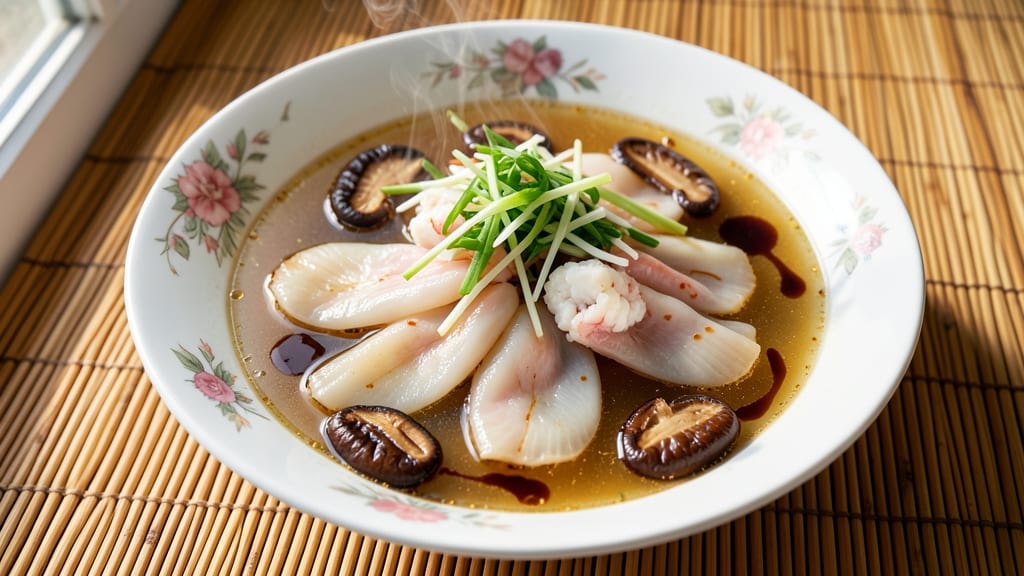
This Chinese fish maw and crab soup recipe delivers the oceanic luxury of a Cantonese banquet, where delicate textures and layered umami create an unforgettable dining experience.
The secret lies in properly rehydrating fish maw to achieve its signature silky mouthfeel while balancing sweet, salty, and savory notes through precise seasoning. I developed this version after years of studying traditional techniques, ensuring every element comes together for restaurant-quality results at home.
The foundation begins with a rich broth infused with dried shiitake mushrooms and ginger, which forms the velvety base for the soup's luxurious texture. Fresh crab meat adds natural sweetness and tender bite, while fish maw transforms from chewy to silky through proper preparation.
This isn't just a soup—it's a celebration of Chinese culinary artistry where technique elevates humble ingredients into something extraordinary.
What you'll achieve is a bowl of soup where each component plays its part: tender crab pieces, delicate fish maw strands, and a glossy broth that coats your spoon with every sip.
The aroma alone will transport you to a bustling Cantonese restaurant, while the first taste delivers that perfect harmony of textures and flavors. This recipe requires patience in preparation but rewards you with a dish worthy of special occasions.
Whether you're serving this as a centerpiece for a dinner party or treating yourself to a luxurious meal, the key is in the details—properly rehydrating the fish maw, balancing the seasoning, and letting the soup simmer just enough to develop its complex flavors.
Let's create this oceanic masterpiece together, step by step.
Ingredients for chinese fish maw and crab soup
Elevate your Cantonese repertoire with these premium ingredients designed for restaurant-quality fish maw and crab soup.
| Ingredient | Amount | Notes |
|---|---|---|
| Dried Fish Maw 🐟 | 6 oz | Soaked 24 hours, changed water twice |
| Fresh Crab Meat 🦀 | 1 ½ lb | Lump crab preferred, shell-on for broth |
| Dried Shiitake Mushrooms 🍄 | 4 whole | Rehydrated in hot water, stems removed |
| Fresh Ginger Root 🧅 | 2 tbsp | Julienned, skin removed |
| Green Onions 🧅 | 6 whole | White and green parts separated |
| Light Soy Sauce 🍶 | 2 tbsp | Kikkoman preferred for authenticity |
| Dark Soy Sauce 🍶 | 1 tbsp | For rich color development |
| Shaoxing Wine 🍷 | ½ cup | Substitute dry sherry if unavailable |
| Cornstarch 🌾 | 1 tbsp | For velveting fish maw |
| Sesame Oil 🫒 | 1 tsp | Toasted, for finishing |
| Rock Sugar 🍬 | 2 tbsp | Or substitute granulated sugar |
| Dried Star Anise 🌿 | 2 whole | Removed before serving |
| Dried Tangerine Peel 🍊 | 1 tbsp | Soaked in warm water |
| Salt 🧂 | 1 ½ tsp | Diamond Crystal preferred |
| White Peppercorns 🌶️ | ½ tsp | Ground fresh for best flavor |
The fish maw is the soul of this dish—source it from Asian specialty markets where quality control is strict. Look for pieces with a translucent, jelly-like appearance and minimal odor. Costco's frozen section often carries reliable brands like Golden Gate or Hong Kong-style, but fresh is ideal if available. The crab meat should be freshly cooked and still slightly chilled—pre-cooked canned crab lacks the delicate texture. For dried shiitake mushrooms, Maifun brand from Asian markets delivers superior depth of flavor compared to generic supermarket options. Ginger should be fresh, firm, and aromatic—avoid any with soft spots or mold, as this indicates age and diminished potency.
No Shaoxing wine? Dry sherry or mirin work as substitutes, though the flavor profile shifts slightly. For the soy sauces, light soy provides saltiness while dark soy adds color and depth—never substitute with regular soy sauce alone. Rock sugar can be replaced with granulated, though it won't dissolve as cleanly. The dried star anise and tangerine peel are non-negotiable for authenticity—Penzeys Spices carries excellent quality if local markets are unavailable. For the cornstarch, Bob's Red Mill is a reliable brand that ensures proper velveting of the fish maw. When selecting crab, Alaskan king crab legs yield the most luxurious texture, though snow crab works well for budget-conscious versions.
Store dried fish maw and shiitake mushrooms in airtight containers with silica packets to prevent moisture absorption, which degrades quality. Fresh crab meat should be used within 2 days when refrigerated, while the prepared soup broth freezes beautifully for up to 3 months. The ginger and green onions keep well in the fridge for 1 week when wrapped in damp paper towels. For the dried spices, keep them in a cool, dark place—exposure to light and heat accelerates flavor degradation. When prepping ahead, soak the fish maw and mushrooms first, then store the broth components separately for quick assembly later.
Why You'll Love This Recipe
- Two-Step Soak: The fish maw just needs a quick soak—no fancy marinating or hours of prep. Honestly, I’ve made this while waiting for takeout to arrive, and it still comes out silky and impressive.
- Umami Bomb: That combo of shiitake mushrooms and crab meat? It’s like a flavor explosion in every spoonful. The ginger slices add a bright kick that cuts through the richness—perfect balance.
- Luxury Leftovers: This soup actually tastes better the next day. I’ve reheated portions for lunch, and the fish maw gets even more tender. (Yes, even on a Tuesday night.)
- Weekend Special: Skip the restaurant—this is my go-to for gatherings. It feels fancy but costs less than half the price of a seafood platter. Plus, the green onions on top make it look like you slaved away.
Step-by-step instructions for Chinese fish maw and crab soup
Master this luxurious soup through precise techniques that transform delicate ingredients into velvety perfection.
Prepare the Fish Maw for Velveting
Begin by soaking the 6 oz dried fish maw in cold water for 24 hours, changing the water twice to remove impurities. After soaking, rinse thoroughly and pat dry. In a bowl, combine the fish maw with 1 tbsp cornstarch, 1.5 tsp salt, and 0.5 tsp ground white peppercorns, massaging gently to ensure even coating. This step is critical—velveting transforms the fish maw from chewy to silky when cooked properly.
Let the coated fish maw rest for 15 minutes before proceeding. The cornstarch creates a protective barrier that prevents the delicate protein from overcooking. If you notice any dry spots, lightly mist with water to maintain moisture. This preparation ensures the fish maw will dissolve into the broth rather than remain firm, creating the signature luxurious mouthfeel.
Build the Aromatic Broth Base
In a large pot, combine 1.5 lb fresh crab meat (reserve shells for broth if using shell-on), 4 whole rehydrated dried shiitake mushrooms (stems removed), 2 tbsp julienned fresh ginger root, 2 whole dried star anise, and 1 tbsp soaked dried tangerine peel. Add 8 cups water and bring to a rolling boil over high heat. Immediately reduce to a gentle simmer and cook uncovered for 20 minutes to extract maximum flavor from the aromatics.
Strain the broth through a fine-mesh sieve, pressing gently on the solids to release flavor. Return the strained broth to the pot and add 0.5 cup Shaoxing wine, 2 tbsp light soy sauce, 1 tbsp dark soy sauce, and 2 tbsp rock sugar. Bring to a steady simmer—this is where the foundation of your soup develops its depth. The dark soy sauce adds rich color while the Shaoxing wine contributes aromatic complexity, balancing the seafood's natural sweetness.
Velvet the Fish Maw and Incorporate Crab
Gently add the prepared fish maw to the simmering broth. Poach for 10-12 minutes until it becomes translucent and tender when pierced with a chopstick. Remove the fish maw with a slotted spoon and set aside. In the same pot, add the 1.5 lb fresh crab meat and simmer for 3-4 minutes until just heated through—overcooking turns crab rubbery.
Return the fish maw to the pot and stir gently. The key here is minimal movement—agitation can break down the delicate texture. Taste and adjust seasoning with additional light soy sauce if needed. The broth should be seasoned but not overpowering, allowing the natural sweetness of the crab and umami of the fish maw to shine. This is where the soup's elegance comes together—each ingredient must harmonize without competing.
Finish with Garnishes and Texture
Remove the pot from heat and stir in 1 tsp toasted sesame oil. This final touch adds a nutty aroma and balances the soup's richness. Divide the 6 whole green onions (white and green parts separated) among serving bowls. Ladle the hot soup over the green onions, allowing them to soften slightly in the heat. The white parts add subtle sharpness while the green tops provide fresh contrast.
Serve immediately with the fish maw and crab meat arranged artfully in each bowl. The fish maw should be tender yet hold its shape, while the crab should be just cooked through with a delicate texture. Each spoonful should deliver a symphony of textures—silky fish maw, tender crab, and the aromatic broth—creating a dining experience that feels both luxurious and perfectly balanced. The dish is complete when every element comes together in harmony, requiring attention to detail at each preparation stage.
Pro Tips For Making Chinese Fish Maw And Crab Soup
- Soak Fish Maw Twice: First soak in cold water for 2 hours to break down the tough fibers, then boil for 10 minutes in fresh water—this two-step process actually makes the texture silky instead of rubbery. I learned this the hard way after serving a batch that felt like chewing on a shoelace.
- Don’t Overcrowd the Pot: Add dried shiitake and fish maw in stages—crowding steams them instead of simmering, and you’ll end up with a mushy mess. Start with half the mushrooms, let them bloom for 5 minutes, then add the rest. Trust me, your soup will thank you.
- Blanched Crab Meat Only: Fresh crab meat turns to mush if tossed in raw—blanch it first in boiling water for 30 seconds, then shock in ice water. This keeps it tender but firm, so it holds up in the broth instead of dissolving into a sad, watery paste.
- Ginger in Stages: Toss in thinly sliced ginger first with the aromatics, but add a second batch (fresh, julienned) right before serving—this balances the deep umami with a bright finish without overpowering. Sounds weird, but it works: the soup tastes fresher and more layered.
Wine and beer pairings for chinese fish maw and crab soup
Wine Pairings
For this luxurious fish maw and crab soup, I recommend a dry Chinese yellow wine like Shaoxing wine—the same wine used in the recipe—to complement its umami depth and floral notes.
If you prefer Western wines, a Chardonnay from Burgundy with its citrus and mineral undertones enhances the seafood's natural sweetness without overpowering the delicate broth. The wine's acidity cuts through the richness, creating perfect balance. 🍷
Light Beer Options
A crisp Japanese lager like Asahi Super Dry or Sapporo provides a clean, refreshing contrast to the soup's richness. The subtle malt sweetness won't compete with the seafood flavors but instead enhances the dish's overall harmony.
For a more robust option, try a German wheat beer (Hefeweizen)—its banana and clove notes play beautifully with the ginger and star anise in the broth.
Rice Wine Essence
If you're feeling adventurous, serve the soup with a small cup of mirin on the side. The slight sweetness and aromatic qualities mirror the soup's flavor profile while adding an extra layer of complexity.
I often sip it between spoonfuls to cleanse the palate and appreciate the dish's intricate flavors. This approach is especially popular in traditional Cantonese dining settings.
Herbal Tea Pairings
For a non-alcoholic option, jasmine green tea or pu-erh tea makes an excellent pairing. The floral notes of jasmine tea complement the soup's delicate ingredients, while pu-erh's earthy depth enhances the umami flavors.
Serve the tea slightly chilled to contrast with the warm soup, creating a refreshing balance. This combination is particularly elegant for formal occasions. 🍵
Seasonal Adaptations
In summer, I opt for a Sauvignon Blanc from New Zealand—its bright acidity and citrus notes refresh the palate against the soup's richness. During winter, a Riesling from Germany with its honeyed sweetness and crisp finish provides warmth and contrast.
The key is matching the wine's profile to the season while respecting the dish's traditional flavor balance.
Nutrition facts
Frequently asked questions
What makes fish maw so special in this soup?
The fish maw's unique texture transforms from chewy to silky when properly prepared through velveting. This technique—coating it in cornstarch and poaching gently—creates its signature luxurious mouthfeel that's central to Cantonese cuisine. The delicate strands melt in your mouth, balancing the tender crab and aromatic broth.
Can I substitute dried fish maw with fresh?
Fresh fish maw is extremely rare and requires special handling—it must be cooked immediately to prevent spoilage. If you find it, treat it like delicate seafood: poach for just 3-4 minutes in hot water before velveting. For most home cooks, dried fish maw is the practical choice, offering consistent quality and better texture control.
How do I know when the fish maw is fully cooked?
Properly cooked fish maw should become translucent and tender when pierced with a chopstick—it should offer no resistance. If it still feels slightly firm, return it to the broth for 2-3 more minutes. Overcooking turns it mushy, so remove it just before it reaches this stage. The velveting process (cornstarch coating) helps achieve perfect doneness.
What's the best way to store leftovers?
Store the soup in an airtight container and refrigerate for up to 2 days. Reheat gently on low heat—never microwave directly as it can make the fish maw rubbery. For longer storage, freeze the broth separately (up to 3 months) and rehydrate the fish maw fresh when ready to serve. The crab meat should be added fresh when reheating.
Why does my broth taste bland?
Bland broth often results from insufficient simmering time or improper seasoning. Ensure you simmer the aromatics (shiitake, ginger, star anise) for 20 minutes to extract full flavor. Taste before serving—add more light soy sauce or a pinch of salt if needed. The Shaoxing wine and dark soy sauce also contribute depth, so don't skip these ingredients.