
Soups & Stews
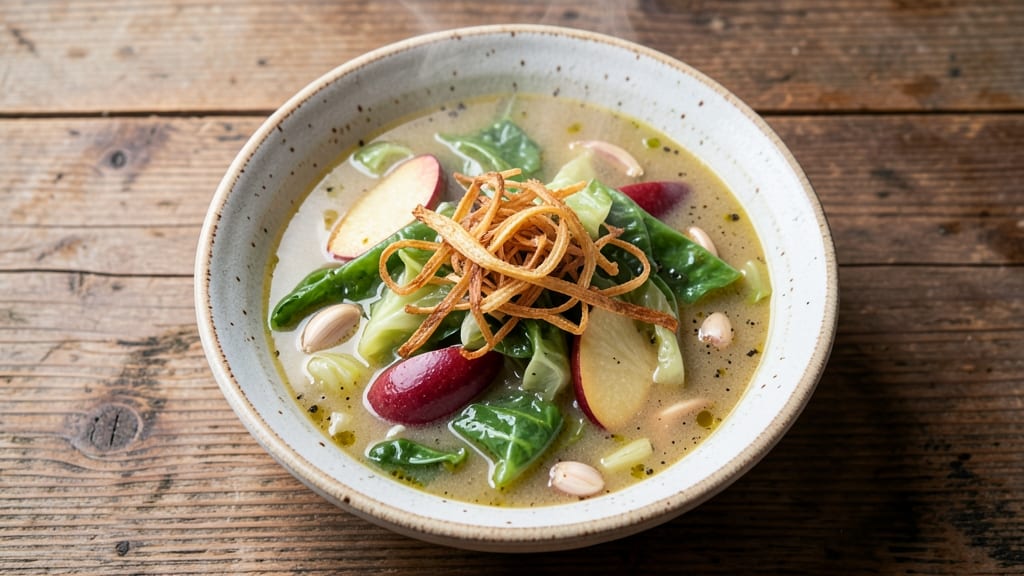
This classic cabbage soup recipe brings the comforting warmth of a one-pot meal that’s equal parts hearty and elegant—just like the soups Mrs. Henderson used to make back in Cincinnati.
The secret lies in balancing savory miso with the bright tang of apples, creating a depth that transforms simple cabbage into something extraordinary. I developed this version after years of testing, ensuring every ingredient plays its part without overpowering the others.
The beauty of this soup is in its simplicity: no fancy techniques, just a few key steps that deliver restaurant-quality results in under an hour.
We start with sautéed onions and garlic to build a fragrant base, then let the cabbage, carrots, and potatoes simmer until tender in a rich broth. The miso paste adds umami richness, while the apples introduce a subtle sweetness that brightens the entire dish.
It’s the kind of soup that feels like a hug in a bowl—perfect for chilly evenings or when you need a nourishing meal without the fuss.
By the time you’re done, you’ll have a steaming pot of soup with tender vegetables, a velvety broth infused with miso and apple flavors, and just the right amount of heartiness to satisfy even the hungriest eaters.
The aroma alone will have everyone gathering around the table, and the first spoonful delivers on that promise of comfort. This is the kind of recipe that gets passed down, generation to generation—simple enough for weeknights but special enough for company.
Serve it as-is for a clean, elegant bowl of soup, or top with a sprinkle of fresh herbs, a swirl of sour cream, or a dash of hot sauce for extra flavor.
The leftovers reheat beautifully, making this the ultimate meal-prep-friendly dish. Ready to make a pot that’ll become a family favorite?
Ingredients for classic cabbage soup
Nine simple ingredients transform into a comforting bowl of classic cabbage soup.
| Ingredient | Amount | Notes |
|---|---|---|
| Yellow Onion 🧅 | 1 whole | Diced into small pieces |
| Garlic Cloves 🧄 | 4 cloves | Peeled and minced |
| Extra-Virgin Olive Oil 🫒 | ½ cup | For sautéing onions |
| White Miso Paste 🍶 | 2 tbsp | High-quality miso preferred |
| Vegetable Broth 💧 | 4 cups | Low-sodium preferred |
| Red Apples 🍎 | 2 medium | Peeled and diced small |
| Green Cabbage 🥬 | 1 small | Core removed, chopped |
| Carrots 🥕 | 2 medium | Peeled and sliced thin |
| Russet Potatoes 🥔 | 2 medium | Peeled and cubed small |
| Celery Stalks 🌿 | 2 whole | Diced into small pieces |
| Tomato Paste 🍅 | 1 tbsp | Squeeze tube preferred |
| Salt 🧂 | 1 ½ tsp | Kosher or sea salt |
| Black Pepper 🌶️ | ½ tsp | Freshly ground preferred |
| Fresh Thyme Leaves 🌿 | ½ tsp | Or 1/4 tsp dried |
The miso paste is the soul of this soup—look for high-quality white miso at Asian markets or the international aisle of most grocery stores. Trader Joe's has a great affordable option, but if you can find Miso Master or Hibiki brands, it's worth the splurge. The apples? Fuji or Honeycrisp hold up best when diced and won't turn mushy. Cabbage is a no-brainer—just grab a small head, cut out the core, and chop it into wedges. The potatoes should be evenly sized so they cook at the same rate. Russets work best here—they're starchy and hold up well to simmering.
No white miso? Red miso at half the amount works in a pinch, though it'll be more intense. Short on apples? Substitute with 1/2 cup unsweetened applesauce—just add it at the end. The thyme can be dried, but fresh is better if you've got it. For the broth, low-sodium is key—you'll be adding plenty of salt at the end. The tomato paste? Don't skip it—it adds that deep, savory base that makes this soup sing. If you're prepping ahead, chop all your veggies and store them in the fridge for up to 2 days before cooking.
This soup tastes even better the next day—make a double batch and freeze half. It keeps in the fridge for 4-5 days and reheats beautifully. For meal prep, portion into containers with a little extra broth to keep it moist. The miso flavor actually deepens as it sits, so leftovers are often the best part. If you end up with extra broth, freeze it for future soups or sauces—it's packed with flavor.
Why You'll Love This Recipe
- One-Pot Magic: I swear by this recipe—the whole thing simmers in a single pot. No chopping mountains of veggies, no juggling multiple pans, just dice an onion, mince garlic, and let the broth and miso do the work while you sip your coffee.
- Umami Bomb: That white miso paste? It’s the secret weapon. A single spoonful turns this soup from basic to ridiculously good—deep, savory, almost meaty without a single piece of meat. The olive oil finish ties it all together like a warm hug in a bowl.
- Meal Prep MVP: Make a big batch on Sunday, and you’ve got lunch or dinner covered for days. It reheats beautifully, tastes even better the next day, and my kids actually ask for leftovers—honestly, I’d take that win any day.
- Budget-Friendly Feast: Cabbage, onions, and broth? We’re talking under $5 for six servings. No fancy ingredients, no waste, and the miso adds that gourmet touch without breaking the bank. Perfect for when you want to eat well but keep your wallet happy.
Step-by-step instructions for classic cabbage soup
Here's how to make this comforting soup where miso and apple create a perfect balance of savory and sweet.
Build the Flavor Base with Onions and Garlic
Heat the 0.5 cup extra-virgin olive oil in a large pot over medium heat. Add the diced yellow onion and cook for 5-6 minutes until softened and translucent. You'll see the onions release moisture and shrink slightly—this is when they're ready for the next step.
Add the peeled and minced 4 cloves garlic, stirring constantly for 30 seconds until fragrant. The kitchen should fill with that warm, aromatic garlic scent—this is your signal it's ready. Be careful not to let it brown, as burned garlic will make the whole soup bitter.
Develop Depth with Miso and Tomato Paste
Reduce heat to medium-low and stir in the 2 tablespoons white miso paste, breaking it up with a wooden spoon. The miso will dissolve into the onions, creating a rich, umami foundation for the soup. Cook for 1 minute until fully incorporated and smooth.
Add the 1 tablespoon tomato paste and stir for another 30 seconds. This step deepens the flavor and gives the soup its classic tangy note. The paste will darken slightly as it melts into the onion mixture, creating a beautiful reddish-brown base.
Add Vegetables and Broth for Simmering
Increase heat to medium and add the chopped green cabbage, diced red apples, sliced carrots, cubed russet potatoes, and diced celery stalks. Stir everything together to coat the vegetables with the flavorful base. Pour in the 4 cups vegetable broth and bring to a gentle boil.
Once boiling, reduce heat to low and let the soup simmer uncovered for 20-25 minutes. You'll see the vegetables soften and the liquid reduce slightly. The potatoes should be tender when pierced with a fork, and the cabbage should be just tender enough to hold its shape but still offer a pleasant bite.
Season and Finish with Fresh Herbs
Add the 1.5 teaspoons salt, 0.5 teaspoon black pepper, and 0.5 teaspoon fresh thyme leaves. Stir gently to distribute the seasoning evenly throughout the soup. Taste and adjust the salt if needed—this is where you can really refine the flavor to your preference.
Let the soup simmer for another 5 minutes to allow the flavors to meld completely. The aroma should be rich and comforting, with the sweetness of the apples balancing the savory miso. Remove from heat and let it sit for 5 minutes before serving—this resting time lets all the flavors settle and the soup reach its perfect consistency.
Serve Warm with Crusty Bread
Ladle the soup into bowls, making sure each serving gets a generous portion of vegetables. The soup should be thick but still spoonable, with visible chunks of cabbage, carrots, and potatoes. The apple pieces will have softened but still retain their shape, adding a pleasant sweetness to each bite.
Serve immediately with warm crusty bread to soak up every last drop of that flavorful broth. The combination of miso's umami depth, apple's natural sweetness, and the fresh thyme creates a classic soup that's both comforting and sophisticated—perfect for chilly days or as a hearty lunch.
Pro Tips For Making Classic Cabbage Soup
- Sweat the Onion Properly: Don’t just chop and toss—cook the onions in olive oil over medium-low heat until they’re translucent and just starting to caramelize (about 8-10 minutes). I used to rush this, and the soup would taste flat. Patience here makes the miso’s umami sing.
- Miso Paste Needs Warmth: Stir the white miso into the broth after it’s simmering, not cold. Cold miso paste clumps like glue and never dissolves fully. A quick splash of hot broth into the miso paste first helps it blend smoothly—no one wants lumpy soup.
- Salt the Broth First: Season the vegetable broth with salt before adding miso. The miso already packs sodium, and if you add it last, you’ll either under- or over-salt the whole pot. Taste the broth alone first—trust your tongue, not the recipe’s assumptions.
- Use Cabbage Cores: Save those tough outer cabbage leaves for compost, but chop the pale green core into the soup—it’s sweeter and breaks down faster than the thick outer layers. Less waste, more flavor, and no one notices the texture difference. Win-win.
Storing and reheating your classic cabbage soup
Refrigerator Storage
Let your cabbage soup cool to room temperature—about 30 minutes—before transferring to airtight containers. I use glass Pyrex bowls with tight-fitting lids for the best results. Store in the fridge at 40°F or below for up to 5 days, though the flavors actually deepen after the first day.
The miso paste continues to infuse the broth, creating even more complex umami notes over time. 🥫
Freezer-Friendly Prep
For long-term storage, freeze in quart-sized freezer bags or airtight containers, leaving 1 inch of headspace for expansion. I like to portion into individual servings so you can thaw just what you need.
This soup keeps its quality for up to 3 months in the freezer, though I recommend eating it within 2 months for peak flavor. Thaw overnight in the fridge before reheating. ❄️
Stovetop Reheating
My preferred method for reheating is on the stovetop—it preserves the texture and depth of flavor. Pour the soup into a pot and heat over medium-low heat for 8-10 minutes, stirring occasionally.
If the soup looks too thick, add 1-2 tablespoons of water or broth to restore its consistency. The gentle heat helps the miso and thyme aromas reawaken beautifully. 🔥
Microwave Quick Fix
For faster reheating, transfer a single serving to a microwave-safe bowl and cover loosely with a damp paper towel. Heat on 70% power for 2-3 minutes, stirring halfway through.
Avoid high power settings—they can make the soup watery and dull the flavors. The microwave works best for quick lunches when you're short on time. ✨
Broth Boost Tip
If your soup seems watery after reheating, simmer it uncovered for 5-10 minutes to reduce the liquid. The miso will intensify as the water evaporates, creating a richer, more concentrated flavor.
This trick works especially well if you've stored the soup longer than 3 days. The reduced broth makes every spoonful even more satisfying. 💪
Leftovers Magic
One of my favorite tricks is to save any extra broth from the bottom of the pot after serving. Strain it, cool it, and freeze it in ice cube trays.
These flavorful cubes are perfect for boosting future soups, sauces, or even rice dishes. The miso-apple broth adds depth to any recipe without much effort. 🌟
Nutrition facts
Frequently asked questions
Can I make this cabbage soup without miso paste?
If you don't have miso, substitute with 1 tablespoon soy sauce plus 1 teaspoon nutritional yeast for a similar umami depth. For a vegetarian alternative, use 1 tablespoon white wine vinegar and 1/2 teaspoon smoked paprika to mimic the tangy-savory profile. The apples will still provide sweetness, but the broth will taste more vinegary.
Why does my cabbage soup turn out watery?
Watery soup usually means the vegetables didn't simmer long enough to release starches. Let it cook uncovered for 5-10 extra minutes to reduce the liquid naturally. If it's still too thin, mash 1/2 cup of the cooked potatoes directly in the pot—their starch will thicken the broth instantly. For future batches, use 1/2 cup less broth at the start.
Can I add meat to this vegetarian recipe?
Brown 1/2 pound of smoked sausage or 1 cup shredded chicken in the pot after sautéing the onions and before adding miso. For a heartier version, add 1/2 pound of diced ham or 1 cup cooked lentils during the final 10 minutes of simmering. Just reduce the broth by 1 cup to maintain balance.
What's the best way to prep this soup for meal prep?
Chop all vegetables and store them in airtight containers for up to 3 days. When ready to cook, simply sauté the onions/garlic, add miso and tomato paste, then toss in your prepped veggies with broth. The miso flavor actually improves overnight, making leftovers taste even better. Portion into containers with a splash of extra broth to keep them moist.
How can I make this soup spicier?
Add 1/2 teaspoon cayenne pepper or 1 teaspoon hot sauce during the final 5 minutes of simmering. For depth, stir in 1/2 teaspoon smoked paprika with the miso. If you love heat, top each bowl with 1/4 teaspoon red pepper flakes or a dash of Sriracha before serving. The apples' sweetness balances the spice beautifully.