
Soups & Stews
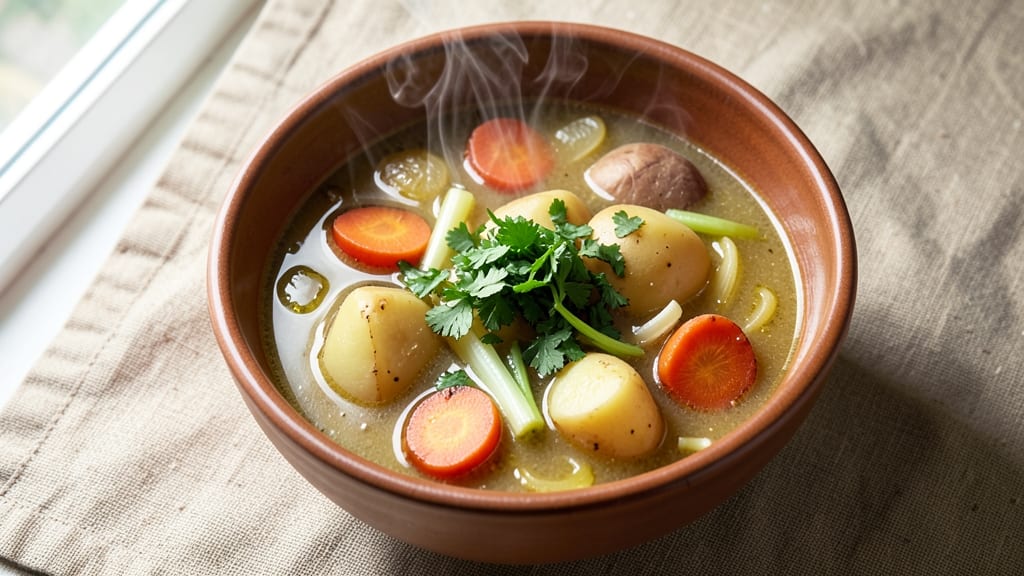
This Frisch's vegetable soup recipe brings the comforting, hearty flavors of a Midwestern classic into your kitchen with just one pot. The secret lies in slow-simmered vegetables—carrots, celery, onions, and potatoes—infused with savory broth and fresh herbs for that signature homestyle taste.
I've perfected this version to deliver the same rich, satisfying depth without the canned shortcuts, using simple pantry staples and a foolproof 45-minute simmering process.
The beauty of this recipe is its versatility—it's classic enough for family dinners but flexible enough to adapt with seasonal vegetables or extra protein like ham or chicken.
The key technique is building flavor gradually: sautéing onions and celery first to develop a rich base, then letting the vegetables cook until tender while the broth reduces to a perfect consistency.
No blender required, just a simple stovetop method that yields a soup so hearty it feels like a hug in a bowl.
What you'll end up with is a steaming pot of golden, aromatic vegetable soup where every spoonful delivers tender carrots, creamy potatoes, and a broth so flavorful it tastes like it's been simmering all day.
The herbs add a bright finish, balancing the earthy vegetables, while a sprinkle of fresh parsley on top adds that final touch of freshness. This is the kind of soup that disappears quickly—perfect for chilly evenings or meal prep for the week ahead.
Serve it with crusty bread for dipping or a side salad for balance, and watch how it transforms an ordinary weeknight into a comforting, homey meal. The best part? You'll have the satisfaction of making something restaurant-quality from scratch, with flavors that taste just like the Midwestern classics you remember.
Let's get cooking—your kitchen will smell amazing in no time.
Ingredients for frisch's vegetable soup
Pantry staples meet Midwestern comfort—just 13 ingredients for a soup that tastes like a hug.
| Ingredient | Amount | Notes |
|---|---|---|
| Yellow Onions 🧅 | 1 ½ whole | Medium size, diced evenly |
| Celery Stalks 🥬 | 4 whole | Trimmed, cut into 1-inch pieces |
| Carrots 🥕 | 1 ½ lb | Medium size, peeled and sliced |
| Russet Potatoes 🥔 | 2 lb | Peeled and cut into 1-inch cubes |
| Garlic Cloves 🧄 | 4 cloves | Minced finely for depth |
| Vegetable Broth 💧 | 6 cups | Low-sodium preferred, homemade or quality store-bought |
| Fresh Parsley 🌿 | ¼ cup | Chopped, for garnish and flavor |
| Fresh Thyme 🌿 | 1 tbsp | Leaves only, stems removed |
| Extra-Virgin Olive Oil 🫒 | ¼ cup | For sautéing vegetables |
| Salt 🧂 | 1 ½ tsp | Diamond Crystal preferred |
| Black Pepper 🌶️ | ½ tsp | Freshly ground for best flavor |
| Butter 🧈 | 2 tbsp | Unsalted, for richness |
| Tomato Paste 🍅 | 1 tbsp | High-quality, no sugar added |
The vegetables are the soul of this soup, so pick fresh, firm produce. Carrots and potatoes should feel heavy for their size—local farmers markets have the best selection. Russets are ideal for potatoes, but Yukon Golds add creaminess. For broth, Swanson or Pacific Foods are my go-tos, but homemade takes it to the next level. The celery? Look for crisp stalks—avoid any with brown spots or wilted leaves. Fresh herbs make all the difference here, so grab thyme and parsley from the grocery store's produce section—they're usually fresher than the dried aisle.
No fresh thyme? Dried works at one-third the amount, but trust me, fresh is worth it. Running low on vegetable broth? Chicken or beef broth with a splash of tomato juice works in a pinch. The tomato paste can be skipped if you're short, but it adds that deep, umami richness that makes this taste like Frisch's. For the onions, yellow or red both work—just dice them evenly so they cook at the same rate. And if you're feeling adventurous, swap half the potatoes for turnips or parsnips for a seasonal twist.
This soup tastes even better the next day as flavors meld—double the batch and freeze half for lazy weeknights. Store leftovers in the fridge for up to 5 days, or freeze for up to 3 months in airtight containers. The butter and tomato paste can be prepped ahead and stored in the fridge for up to 1 week. I like to make a big pot on Sundays so I have soup ready all week—portion it into jars with a layer of parsley on top to keep it fresh.
Why You'll Love This Recipe
- One-Pot Magic: I swear by this recipe—just chop, simmer, and forget. No fancy gadgets, no last-minute grocery runs. The onions and celery soften into that perfect base while the potatoes melt into creamy chunks, all in one pot. Honestly, I’ve made it while scrolling through emails.
- Garlic-Potato Bliss: That moment when the Russet potatoes break down into fluffy, buttery pieces? Absolute perfection. The garlic cloves get toasted just enough to add depth without overpowering, and the carrots stay tender-crisp. It’s the kind of flavor that makes you want to take a second bowl.
- Meal Prep MVP: Between us, this soup is my go-to for lunches all week. The flavors actually improve the next day—yes, really. I double the batch on Sundays, and by Wednesday, it’s still hearty enough to fill my lunchbox. (My coworker keeps asking for the recipe.)
- Pantry Staple Power: No need to buy expensive ingredients—this uses what’s already in your fridge. Onions, celery, carrots, potatoes? Basic stuff. I’ve made it with whatever veggies I had on hand, and it’s always solid. Budget-friendly doesn’t mean boring, trust me.
Step-by-step instructions for Frisch's vegetable soup recipe
Here's how to create that iconic Midwestern vegetable soup—rich, hearty, and packed with classic flavors in one pot.
Sauté the Vegetable Base
Heat the 0.25 cup extra-virgin olive oil in a large Dutch oven over medium heat. Add the 1.5 whole yellow onions and 4 whole celery stalks, cutting them into uniform pieces as you go. Cook for 8-10 minutes, stirring occasionally, until the onions soften and the celery begins to turn translucent.
Next, add the 1.5 lb carrots and 2 lb russet potatoes, both cut into 1-inch cubes. Stir to coat the vegetables evenly in the oil. The potatoes will begin to soften slightly, but they don't need to cook completely at this stage—just enough to absorb the flavors of the base. This step builds the foundation for the soup's depth of flavor, so don't rush it. You're looking for a gentle caramelization, not browning.
Add Aromatics and Tomato Paste
Push the vegetables to one side of the pot and add the 2 tbsp butter to the empty space. Once the butter melts, add the 4 cloves garlic cloves, minced finely, and the 1 tbsp tomato paste. Stir constantly for 1-2 minutes until the garlic becomes fragrant and the tomato paste darkens slightly, deepening the soup's color and richness.
This is where the magic happens—the garlic and tomato paste infuse the vegetables with layers of flavor that will carry through the entire soup. If the garlic begins to brown too quickly, reduce the heat slightly to prevent bitterness. The goal is to create a fragrant, aromatic base that ties all the ingredients together.
Deglaze and Simmer with Broth
Pour in the 6 cups vegetable broth, scraping the bottom of the pot to release any browned bits that have formed. Add the 1 tbsp fresh thyme and bring the mixture to a gentle boil. Once boiling, reduce the heat to low and let it simmer uncovered for 25-30 minutes, stirring occasionally. The vegetables should be tender but not falling apart, and the potatoes should be fork-tender.
During this time, the broth will absorb the flavors from the vegetables and aromatics, creating a rich, flavorful liquid. If the soup starts to reduce too much, add a splash of water to maintain the proper consistency. The key here is patience—allowing the vegetables to cook slowly ensures they retain their texture while infusing the broth with their natural sweetness.
Season and Finish
Once the vegetables are tender, stir in the 1.5 tsp salt and 0.5 tsp black pepper. Taste the soup and adjust the seasoning if needed—this is your chance to balance the flavors before serving. The soup should be rich, savory, and well-seasoned, with a hint of sweetness from the carrots and potatoes.
Remove the pot from heat and let the soup rest for 5 minutes. This resting period allows the flavors to meld together, ensuring each spoonful is packed with depth. Before serving, stir in the 0.25 cup fresh parsley, chopped finely, to add a bright, fresh finish that cuts through the heartiness of the soup. Garnish each bowl with additional parsley for a touch of elegance.
Pro Tips For Making Frisch'S Vegetable Soup
- CHOP ONIONS SMALLER THAN YOU THINK: I used to slice my yellow onions into thick half-moons like I do for stir-fries, but in Frisch’s vegetable soup, they need to vanish completely—no chewy bits. Aim for 1/4-inch dice or smaller, or they’ll just sit there looking stubborn while the carrots and celery turn to mush.
- SWAP RUSSET POTATOES FOR YUKON GOLDS: Russets work, sure, but Yukon Golds hold their shape better and absorb flavor like a sponge. If you’re short on time, leave the skins on—they add texture and a rustic touch without extra effort. (Yes, even if you’re impatient like me.)
- SWEAT VEGETABLES UNTIL SOFT, NOT BROWNED: After burning three batches of celery and onions, I finally learned to walk away from the pan. Cook them low and slow until they’re limp and glossy, not golden—this keeps the soup from tasting bitter. If they’re still crunchy, you’re not there yet.
- ADD POTATOES LAST, THEN SIMMER FAST: Dumping potatoes in with the onions and celery means they’ll turn to glue. Instead, add them after the aromatics are sweated, then bring the broth to a rolling boil for 5 minutes—this cuts cooking time by half and keeps them tender, not mealy. (Your future self will thank you.)
Health benefits of these flavors
Rich in Fiber
This vegetable soup is a fiber powerhouse, thanks to its combination of carrots, celery, onions, and potatoes. Just one bowl delivers about 10-12 grams of fiber, which is nearly half of the daily recommended intake for adults.
Fiber supports digestive health, keeps you feeling full longer, and helps regulate blood sugar levels. The celery and carrots contribute both soluble and insoluble fiber, while the potatoes add resistant starch when cooled. 💪
Hydration Boost
The vegetable broth base makes this soup an excellent hydrating option, especially during cold months when dehydration can sneak up on you. Each serving contains about 1.5 cups of liquid, helping replenish fluids while providing essential electrolytes from the vegetables.
I always notice how energized I feel after a big bowl—it’s like a warm, comforting drink for your body. The broth also contains trace minerals like potassium and magnesium from the vegetables.
Low-Calorie Comfort
Despite its hearty texture, this soup is surprisingly light on calories—about 180-200 calories per serving depending on the broth used. The combination of vegetables and broth provides volume and satisfaction without the heaviness of cream-based soups.
It’s perfect for those looking to enjoy a warm, filling meal while maintaining a balanced diet. The natural sweetness of the carrots and potatoes helps curb cravings for sweets after dinner.
Vitamin Powerhouse
This soup packs a vitamin punch with every spoonful. Carrots provide beta-carotene (which converts to vitamin A), while potatoes deliver vitamin C and potassium. Celery contributes vitamin K for bone health, and onions add quercetin, a flavonoid with antioxidant properties.
The fresh parsley garnish boosts vitamin K and adds a fresh flavor. I always feel like I’m giving my body a nutrient boost when I eat this soup regularly.
Heart-Healthy Option
The vegetable broth and absence of saturated fats make this soup an excellent choice for heart health. It’s naturally low in cholesterol and provides plant-based compounds that support cardiovascular function. The potassium from the potatoes helps regulate blood pressure, while the fiber content aids in maintaining healthy cholesterol levels.
Swapping regular broth for low-sodium options further enhances its heart-friendly profile. This is one of those meals that makes me feel good about what I’m putting into my body. 💛
Customizable for All Diets
This soup’s base is naturally gluten-free, dairy-free (if you skip the butter), and can easily be made vegan by using vegetable broth and olive oil instead of butter. The ingredients are versatile enough to accommodate various dietary needs—just swap in your preferred protein or adjust seasonings.
It’s one of those rare recipes that feels inclusive without sacrificing flavor. I love how adaptable it is while still delivering that classic, comforting taste. ✨
Nutrition facts
Frequently asked questions
Can I make this soup without fresh herbs?
If you don't have fresh thyme or parsley, use 1 teaspoon dried thyme and 1 tablespoon dried parsley instead. For garnish, try a pinch of dried parsley or a sprinkle of crispy fried onions for extra texture. The flavor won't be identical, but it'll still taste delicious and hearty.
How can I make this soup thicker or thinner?
For a thicker soup, simmer uncovered for an extra 5-10 minutes to reduce the broth. If it gets too thick, stir in ¼ cup water or broth at a time until you reach your desired consistency. For a creamier texture without dairy, mash some of the cooked potatoes against the pot walls before adding liquid.
What's the best way to store leftovers?
Store in an airtight container in the fridge for up to 5 days, or freeze for 3 months. For freezing, portion into jars or containers with a layer of parsley on top to preserve freshness. Reheat gently on the stove over medium-low heat, stirring occasionally, until warmed through.
Can I add protein to this recipe?
Yes! For added protein, stir in ½ lb cooked ham, 1 cup cooked chicken, or ½ cup white beans during the last 10 minutes of simmering. You can also add ½ cup diced smoked sausage when sautéing the vegetables. Just reduce the broth by ¼ cup if adding extra ingredients to maintain balance.
Why does my soup taste bland compared to store-bought?
Homemade soup often needs time for flavors to develop. Try these fixes: Simmer longer (30-45 minutes), add 1 extra tablespoon tomato paste or ½ teaspoon soy sauce for umami, or finish with a squeeze of lemon juice and extra black pepper. The key is patience—let flavors meld after cooking.