
Soups & Stews
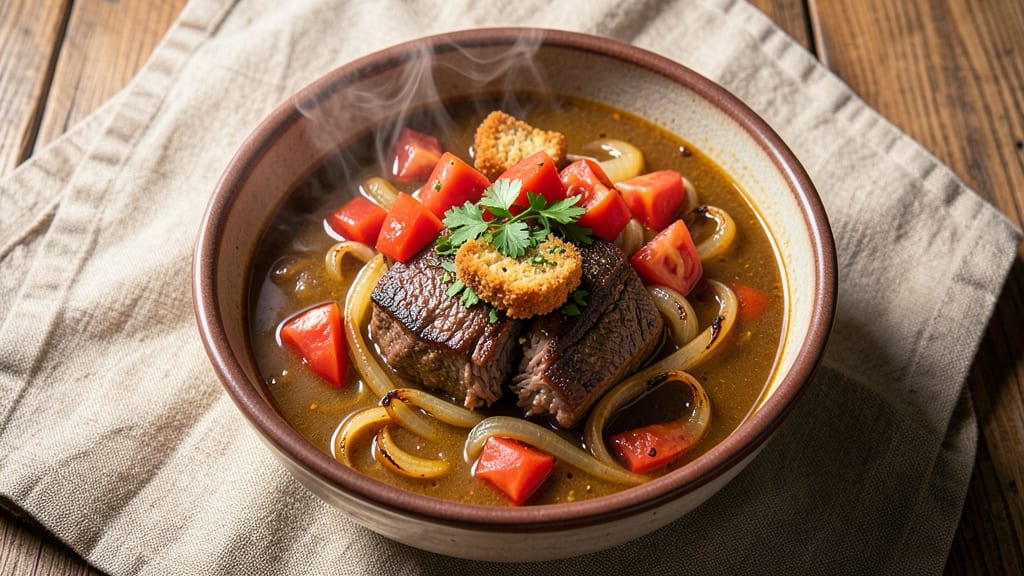
This German goulash soup recipe delivers the deep, paprika-kissed richness that makes it a winter staple in German homes. The secret lies in slow-cooked beef and vegetables, where sweet and smoky paprika infuses every spoonful with authentic warmth.
I've refined this version to balance traditional techniques with modern convenience, ensuring restaurant-quality flavor in your own kitchen.
The beauty of this soup comes from its layers—tender beef chunks, caramelized onions, and earthy mushrooms all simmered until the broth becomes velvety and rich. Unlike many versions, this recipe avoids heavy cream while still delivering satisfying depth through proper paprika blooming and slow reduction.
It's the kind of dish that transforms a simple meal into a comforting centerpiece.
What sets this apart is the technique: browning the beef thoroughly before adding liquids creates a flavorful base, while simmering for at least 2 hours develops that signature goulash richness.
The result is a hearty soup with perfectly tender meat, vibrant vegetables, and a broth so flavorful it needs no garnish—though fresh parsley or crusty bread never hurt anyone. This is the kind of recipe that gets better with leftovers.
Whether you're using a Dutch oven on the stove or an Instant Pot for faster results, the method remains the same. Serve with a side of buttered noodles or fresh rye bread to soak up every last drop of that paprika-infused goodness. Let's get cooking—your taste buds will thank you.
Ingredients for german goulash soup
The heart of German goulash lies in these carefully chosen ingredients, blending traditional flavors with modern convenience.
| Ingredient | Amount | Notes |
|---|---|---|
| Beef Chuck Roast 🥩 | 1 ½ lb | Cut into 1-inch cubes |
| Yellow Onions 🧅 | 2 whole | Medium-sized, thinly sliced |
| Garlic Cloves 🧄 | 4 cloves | Minced, fresh preferred |
| Sweet Paprika 🌶️ | 2 tbsp | Hungarian preferred for authenticity |
| Smoked Paprika 🌶️ | 1 tbsp | For depth of flavor |
| Tomatoes 🍅 | 2 whole | Medium, canned or fresh |
| Carrots 🥕 | 3 whole | Medium, peeled and sliced |
| Celery Stalks 🌿 | 3 whole | Medium, chopped |
| Mushrooms 🍄 | 8 oz | White or cremini, sliced |
| Beef Broth 💧 | 4 cups | Low-sodium preferred |
| Tomato Paste 🍅 | 2 tbsp | High-quality for richness |
| Bay Leaves 🍃 | 2 whole | Fresh for best flavor |
| Allspice Berries 🌿 | 4 whole | Crushed lightly |
| Black Peppercorns 🌶️ | 1 tsp | Freshly ground |
| Salt 🧂 | 1 ½ tsp | Adjust to taste |
The beef chuck roast is non-negotiable for authentic texture—its fat marbling ensures tender, flavorful chunks. Look for well-marbled cuts at your local butcher or Costco for bulk savings. The Hungarian paprikas (both sweet and smoked) are essential; Penzeys or Amazon carry high-quality versions. Fresh garlic and onions should be vibrant and firm—no wilted or bruised produce here. For mushrooms, cremini adds earthiness, but white works too. The beef broth should be rich but not overly salty—Knudsen or Swanson low-sodium options work well.
No Hungarian paprika? Smoked paprika plus a pinch of sugar mimics the sweetness. Substitute canned tomatoes with San Marzano for superior flavor. Fresh bay leaves and allspice berries can be swapped for dried equivalents (use half the amount). The tomato paste can be replaced with tomato sauce in a pinch, though it lacks concentrated depth. For vegetarians, mushrooms and lentils can stand in for beef, though the dish loses its signature richness. Always taste and adjust the salt—this soup should sing with flavor, not be bland.
This soup tastes even better the next day as flavors meld. Store in an airtight container in the fridge for up to 5 days or freeze for 3 months. For meal prep, double the batch and freeze portions in ziplock bags—just thaw overnight in the fridge. The paprika will intensify over time, so don't rush the simmer. Serve with crusty rye bread or egg noodles to soak up every last drop of that paprika-kissed broth.
Why You'll Love This Recipe
- One-Pot Magic: I swear by this recipe because it’s basically hands-off after the initial chop. Dice the onions, brown the beef, toss in the paprika blend—then let it simmer. No fancy techniques, no last-minute scrambling.
- Paprika Powerhouse: That smoky-sweet paprika combo? It’s the secret weapon. The sweet kind gives it warmth, while the smoked adds depth—like a hug in a bowl. Even my picky husband finishes his.
- Leftovers That Shine: This soup only gets better the next day. The flavors meld, the beef gets fork-tender, and you’ve got a freezer-friendly meal for lazy Tuesdays. I make a double batch on Sundays without hesitation.
- Budget Beef Bang: A chuck roast stretches farther than you’d think, and the onions/garlic add layers of flavor without breaking the bank. It’s my go-to when I need a hearty meal that won’t drain my wallet.
Step-by-step instructions for German goulash soup
This method delivers rich, paprika-infused beef and vegetables with perfect tenderness every time.
Sear the Beef Chuck Roast
Heat a large Dutch oven over medium-high heat. Cut the 1.5 lb beef chuck roast into 1-inch cubes and pat them dry with paper towels. This step is critical—dry meat sears better and develops deeper flavor. Add the beef in batches to avoid crowding, and sear for 3-4 minutes per side until browned on all sides. You're looking for a deep mahogany crust, not just light color.
Remove the seared beef and set it aside. The browned bits left in the pot will form the flavorful base for your soup. If you have any remaining drippings, leave them in the pot—they contain concentrated beef flavor. This searing process creates the rich foundation that sets authentic goulash apart from other beef soups.
Sauté the Vegetables and Aromatics
In the same Dutch oven, add the 2 whole yellow onions (thinly sliced) and cook for 5-6 minutes until softened and beginning to caramelize. Add the 3 whole carrots (peeled and sliced) and 3 whole celery stalks (chopped), cooking for another 4-5 minutes until the vegetables become tender and release their natural sweetness.
Stir in the 4 cloves garlic (minced) and cook for 30 seconds until fragrant. This quick cooking prevents the garlic from burning, which would create bitter flavors. The vegetables should be soft but not mushy at this stage—you want them to maintain some texture to contribute to the soup's body. Add the 8 oz mushrooms (sliced) and cook for an additional 3-4 minutes until they release their moisture and begin to brown slightly.
Build the Flavor Base
Reduce the heat to medium and stir in the 2 tbsp sweet paprika and 1 tbsp smoked paprika. Let the spices toast for 1 minute, stirring constantly, until you can smell their rich, earthy aroma. This step develops the paprika's full flavor potential. Add the 2 tbsp tomato paste and cook for another 2 minutes, stirring frequently to prevent burning.
Pour in the 4 cups beef broth and scrape up any browned bits from the bottom of the pot. Add the 2 whole bay leaves and 4 whole allspice berries (lightly crushed). Bring the mixture to a gentle simmer, then return the seared beef to the pot. The broth should just cover the beef—if it doesn't, add a little water. This creates the perfect environment for the beef to tenderize without becoming watery.
Simmer to Tender Perfection
Add the 2 whole tomatoes (chopped if fresh) and 1.5 tsp salt. Bring the soup back to a gentle simmer, then reduce the heat to low. Cover the pot and let it simmer for 1 hour and 15 minutes, stirring occasionally. The beef should become fork-tender during this time, with the meat easily pulling apart with a fork.
After the initial hour, check the seasoning and adjust with additional salt if needed. The soup should have a rich, deep color and a complex aroma from the paprika and allspice. If the soup becomes too thick during cooking, add a little more broth or water to maintain the proper consistency. The vegetables should be tender but still hold their shape, contributing to the soup's hearty texture.
Finish and Serve
Remove the 2 bay leaves and discard them. Taste the soup and adjust the seasoning with additional salt or freshly ground black peppercorns if needed. The soup should be well-seasoned with a balance of smoky, sweet, and slightly spicy flavors from the paprika and allspice. If you prefer a smoother texture, use an immersion blender to partially blend the soup, leaving some chunks for texture.
Serve the goulash hot, garnished with additional minced garlic or fresh parsley if desired. The soup should be rich and flavorful, with tender beef that practically melts in your mouth. Each spoonful should deliver a complex blend of beefy depth, vegetable sweetness, and the distinctive warmth of paprika. This soup tastes even better the next day as the flavors continue to meld and develop.
Pro Tips For Making German Goulash Soup
- BROWN THE ROAST FIRST: After burning three batches where the beef tasted bland, I finally committed to searing the chuck roast in two batches—cutting it into 2-inch chunks and working in batches in a hot pan with just a splash of oil. The Maillard reaction here isn’t just for show; it builds the deep, savory base that turns a good goulash into one worth repeating.
- SWEAT THE ONIONS LOW: I used to rush this step, and my soup always ended up tasting raw. Instead, take your time with the onions—cook them over medium-low heat for 10-12 minutes until they’re translucent and just starting to soften. This ensures they melt into the broth without adding a bitter edge, especially when you later add the paprika.
- USE BOTH PAPRIKAS SEPARATELY: My grandmother swore by this, and she was right: add the sweet paprika after the onions are cooked but before the broth comes in, so it blooms and sweetens the flavor. Toss in the smoked paprika last—just before serving—to keep its smoky punch sharp and aromatic. Mixing them together upfront dulls the contrast.
- SKIP THE BOILING: Sounds weird, but it works: once the broth covers the meat, bring it to a gentle simmer—not a rolling boil—and let it cook uncovered. I learned this the hard way after my soup turned out watery; a steady simmer keeps the meat tender without breaking it down into mush. Cover only after the first 30 minutes to trap steam, then uncover again.
Best sauces and condiments for this german goulash soup
Paprika Variations
Hungarian sweet paprika is non-negotiable for authentic flavor, but you can experiment with hot paprika for a spicier kick. Use ½ tsp cayenne pepper per tablespoon of sweet paprika to mimic heat.
For depth, try a blend of 1 tbsp sweet paprika and ½ tbsp smoked paprika—this combo adds smokiness without overpowering. I’ve also used 1 tsp paprika powder mixed with ½ tsp garlic powder for a quick shortcut when short on time. 🌶️
Umami Boosters
Elevate your goulash with 1 tbsp soy sauce or 1 tsp Worcestershire sauce—these add umami depth that complements the paprika.
For a richer base, stir in 1 tsp fish sauce (trust me, it blends seamlessly) or a splash of red wine (like Cabernet Sauvignon) while building the flavor base. I often add 1 tsp balsamic vinegar at the end for a tangy contrast that brightens the dish. 💡
Creamy Finishes
While traditional goulash avoids cream, a touch of sour cream or crème fraîche adds luxurious texture. Stir in 2 tbsp sour cream per serving at the end for a silky finish. For a vegan option, use cashew cream (blend ¼ cup soaked cashews with 2 tbsp water until smooth).
Alternatively, top each bowl with a dollop of Greek yogurt and a sprinkle of fresh dill for brightness. ✨
Acid Balance
Cut through richness with a splash of lemon juice or apple cider vinegar. Add 1 tsp lemon juice per bowl just before serving, or simmer ½ cup tomato juice into the broth for natural acidity.
For a smoky-sweet balance, reduce ¼ cup apple cider with 1 tsp brown sugar until syrupy, then drizzle over the soup. This trick works wonders for balancing the paprika’s intensity. 🍋
Herb Garnishes
Fresh herbs elevate goulash without overpowering. I love finishing with 1 tbsp chopped parsley or 1 tsp snipped chives for brightness. For a rustic touch, sprinkle ½ tsp dried thyme or crushed rosemary while the soup simmers.
A pinch of fresh marjoram (if available) adds a floral note that pairs beautifully with paprika. Always add herbs at the end to preserve their freshness. 🌿
Bread Pairings
Serve with crusty rye bread or fresh baguette slices for dipping. For extra indulgence, offer garlic bread with a side of horseradish cream (mix 2 tbsp sour cream with 1 tsp prepared horseradish).
The bread’s crunch contrasts the soup’s velvety texture, while the horseradish adds a peppery kick. For a gluten-free option, use cornbread or rice crackers. 🥖
Nutrition facts
Frequently asked questions
Can I make this German beef soup in a slow cooker?
Brown the beef first in a skillet, then transfer it to your slow cooker with all the sautéed vegetables and spices. Add the broth and simmer on low for 6-7 hours or high for 3-4 hours. The slow cooker method actually enhances the tenderness of the beef and deepens the flavors even more. Just remember to remove the bay leaves before serving.
What's the secret to getting tender beef in goulash?
The key is proper searing and slow cooking. First, sear the beef until deeply browned to develop flavor, then simmer it covered on low heat for at least 1.5 hours. The long cooking time breaks down the tough fibers. For extra tenderness, try adding 1 tsp vinegar (apple cider or white) to the broth—it helps tenderize the meat while adding brightness.
Can I substitute the beef with another protein?
For a vegetarian version, use mushrooms (8 oz) and lentils (1 cup, cooked) as the base protein. For chicken, replace the beef with 1.5 lbs boneless chicken thighs and reduce the simmering time to 45-60 minutes. Pork shoulder also works well—just increase the cooking time to 2 hours for maximum tenderness. The flavor profile will change slightly but still deliver that comforting goulash experience.
How do I know when the goulash is ready?
Your goulash is done when the beef is fork-tender (easily pierced with a fork) and the vegetables are soft but still hold their shape. The broth should have reduced slightly and developed a rich, deep color. Taste for seasoning—it should be well-seasoned but not overly salty. The aroma should be complex, with notes of paprika, allspice, and caramelized onions. If you're unsure, let it cook 15-20 minutes longer—it'll only get better!
Can I make this soup ahead of time?
This soup actually tastes better the next day as the flavors meld together. Store it in an airtight container in the fridge for up to 5 days or freeze for 3 months. When reheating, warm it gently on the stove over medium-low heat until steaming hot. If it seems too thick after reheating, add a splash of broth or water to reach your desired consistency.