
Soups & Stews
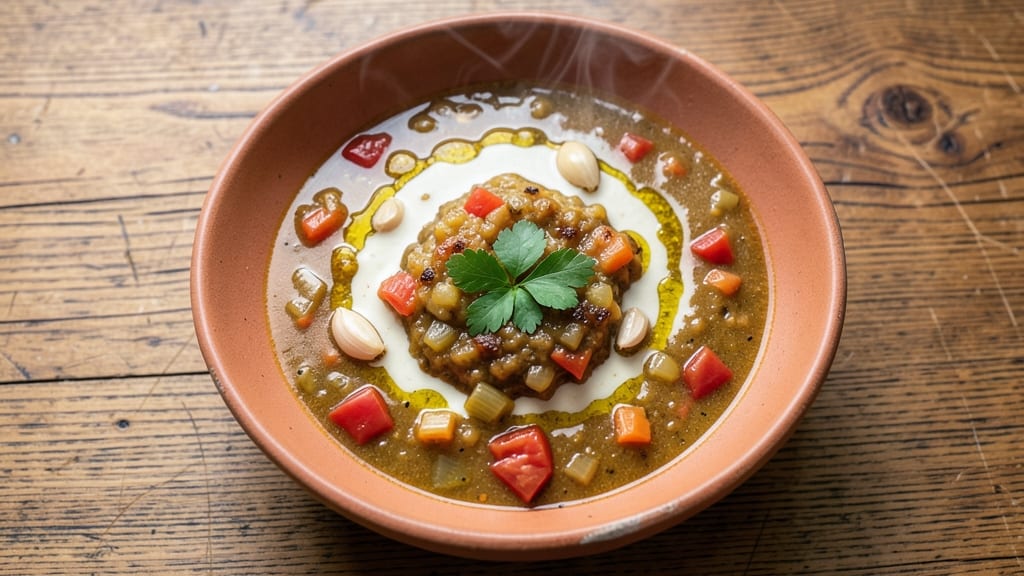
This Hippocrates soup recipe brings an ancient Greek healing tradition into your modern kitchen with a bold twist that keeps the original spirit alive.
Named after the father of medicine, this nourishing broth was once used to restore balance to the body—today, it delivers deep flavor and comfort in every spoonful. The secret lies in its carefully balanced blend of tomatoes, herbs, and protein, simmered until the flavors meld into something truly special.
What makes this version stand out is how it bridges history and contemporary tastes—using ripe tomatoes for brightness, aromatic herbs for depth, and a choice of protein (traditional lamb or modern chickpeas) to suit any preference.
The slow simmering process unlocks rich, layered flavors that transform simple ingredients into something extraordinary, all while staying true to the original healing principles of Hippocrates.
By the time you finish cooking, you’ll have a velvety, aromatic soup that’s both deeply satisfying and packed with nutrients. The modern twist lies in its versatility—serve it as a hearty meal on chilly evenings or as a light lunch with crusty bread.
Whether you follow the traditional recipe or adapt it with plant-based ingredients, this soup delivers on both flavor and heritage.
Ready to experience the wisdom of ancient Greece in your kitchen? Let’s bring this timeless recipe to life with a few simple yet transformative steps that honor its past while embracing today’s tastes.
Ingredients for hippocrates soup
Ancient healing meets modern flavor in this Hippocrates soup's carefully curated ingredients list.
| Ingredient | Amount | Notes |
|---|---|---|
| Extra-Virgin Olive Oil 🫒 | ¼ cup | High-quality for aromatic base |
| Yellow Onion 🧅 | 1 whole | Diced, medium size preferred |
| Garlic Cloves 🧄 | 4 cloves | Peeled, lightly crushed |
| Carrots 🥕 | 2 medium | Peeled, sliced into rounds |
| Celery Stalks 🥬 | 3 whole | Diced, including leaves |
| Ripe Tomatoes 🍅 | 2 lb | Roma or vine-ripened, chopped |
| Ground Lamb 🐑 | 1 ½ lb | 80% lean, or sub chickpeas |
| Dried Oregano 🌿 | 1 tbsp | Mediterranean variety preferred |
| Fresh Rosemary 🌿 | ½ oz | Finely chopped, organic preferred |
| Fresh Thyme 🌿 | ½ oz | Leaves only, stems removed |
| Chicken Broth 💧 | 4 cups | Low-sodium, homemade ideal |
| Red Wine Vinegar 🍷 | 1 tbsp | For brightness, sub lemon juice |
| Sea Salt 🧂 | 1 ½ tsp | Diamond Crystal preferred |
| Freshly Ground Black Pepper 🌶️ | ½ tsp | Cracked peppercorns preferred |
| Fresh Parsley 🌿 | ¼ cup | Chopped, for garnish only |
The lamb is traditional but ground turkey or chickpeas work equally well for a modern twist. Butcher shops often carry higher-quality ground lamb than supermarkets—ask for 80% lean for optimal texture. Fresh herbs elevate this dish significantly; Whole Foods or local farmers markets offer the most vibrant selections. The tomatoes should be vine-ripened with minimal seeds for cleaner flavor—Heirloom varieties from specialty grocers deliver superior results. For the broth, homemade is ideal but Pacific Foods or Imagine brands provide excellent low-sodium options when convenience matters.
No lamb? Chickpeas or white beans create a hearty plant-based alternative that still delivers protein. Substitute balsamic vinegar for red wine vinegar if needed, though it will alter the flavor profile slightly. The dried oregano can be swapped for one-third the amount of fresh oregano, but the Mediterranean variety adds distinct earthy notes. For the carrots, purple or orange varieties work equally well—just ensure they're firm and free from blemishes. The fresh herbs can be partially substituted with dried at one-third the quantity, though texture and aroma will differ noticeably.
Store any unused lamb in an airtight container in the fridge for 2 days or freeze for 3 months. Fresh herbs should be wrapped in damp paper towels and refrigerated for 5-7 days maximum. The finished soup keeps well in the refrigerator for 5 days and freezes beautifully for up to 3 months. For best flavor, reheat gently on the stove—microwaving can break the delicate herb essences. Portion into individual containers for easy meal prep throughout the week.
Why You'll Love This Recipe
- Pantry Magic: The second I smell that olive oil hitting the pan with onion and garlic, I’m hooked—no fancy shopping list required. Honestly, if you’ve got a kitchen, you’ve got everything you need.
- Garlic-Carrots-Celery Trinity: That sweet, earthy base of sautéed onion, carrot, and celery—so simple yet ridiculously satisfying—builds into something deeper with every spoonful. Between us, the garlic cloves? They’re the secret weapon.
- Lunchbox Hero: I make a big batch on Sundays and it’s still my go-to for lunches all week. (Yes, even on a Tuesday night.) The flavors only get better as it sits—no sad, limp veggies here.
- Budget Win: A whole pot for under $5? That’s not just soup—that’s a victory. The carrots and celery stretch forever, and the olive oil makes it feel luxurious without breaking the bank.
Step-by-step instructions for Hippocrates soup
This ancient Greek-inspired elixir combines modern techniques with Hippocrates' healing principles for a nourishing, flavorful broth.
Prepare the Aromatic Base
Heat the 0.25 cup extra-virgin olive oil in a large Dutch oven over medium heat. Add the diced 1 whole yellow onion, 2 medium carrots, and 3 whole celery stalks, stirring occasionally until the vegetables soften and begin to caramelize—about 8-10 minutes. This foundational step develops deep, layered flavors that form the soup's aromatic backbone.
Add the 4 cloves garlic cloves and cook for another 1 minute until fragrant. Here's where it matters: The garlic should sizzle gently without browning, releasing its full potential. If it darkens too quickly, reduce the heat slightly. This aromatic blend will infuse the entire soup with its healing properties, much like Hippocrates' emphasis on balanced, nutrient-rich foods.
Sauté the Lamb and Herbs
Increase the heat to medium-high and add the 1.5 lb ground lamb, breaking it apart with a wooden spoon. Cook until the lamb loses its raw color and begins to brown—about 5-7 minutes. This step is critical for developing the meat's rich, savory depth, which Hippocrates recognized as essential for restoring vitality.
Stir in the 1 tbsp dried oregano, 0.5 oz finely chopped fresh rosemary, and 0.5 oz fresh thyme. Cook for another 1 minute, allowing the herbs to release their aromatic oils. The lamb should be fully cooked through, with no pink remaining. This herb-lamb combination mirrors the balanced, earthy flavors Hippocrates valued in his medicinal diet.
Simmer the Vegetables and Tomatoes
Add the chopped 2 lb ripe tomatoes and cook for 3-4 minutes until they soften slightly. Pour in the 4 cups chicken broth and bring the mixture to a gentle boil. Reduce the heat to low and let it simmer uncovered for 20-25 minutes, allowing the flavors to meld and the vegetables to tenderize completely.
Here's the thing—simmering uncovered prevents the soup from becoming watery, preserving its rich, concentrated essence. The tomatoes should break down into the broth, creating a velvety texture. This slow cooking process aligns with Hippocrates' belief in gentle, prolonged preparation to maximize nutritional benefits.
Finish with Acid and Season
Stir in the 1 tbsp red wine vinegar and 1.5 tsp sea salt, adjusting the seasoning to taste. The vinegar brightens the soup, cutting through the richness of the lamb and herbs, much like Hippocrates' principle of balance in diet. Simmer for another 5 minutes to ensure the flavors are fully integrated.
Remove the pot from heat and let the soup rest for 10 minutes. This resting period allows the flavors to settle and the soup to thicken slightly, creating a more cohesive texture. The result is a deeply nourishing, aromatic broth that honors Hippocrates' healing traditions while delivering modern, satisfying depth.
Garnish and Serve
Ladle the soup into bowls and garnish each serving with 0.25 cup chopped fresh parsley and a sprinkle of 0.5 tsp freshly ground black pepper. The parsley adds a fresh, vibrant note that contrasts beautifully with the rich, earthy flavors of the soup. Serve immediately while still steaming hot to fully appreciate its aromatic complexity.
This Hippocrates-inspired soup embodies the ancient Greek physician's philosophy of using food as medicine. Its balanced flavors, nutrient-rich ingredients, and gentle preparation make it both healing and deeply satisfying—a true elixir for body and soul.
Pro Tips For Making Hippocrates Soup
- SWEAT THE AROMATICS: Cook the onions and garlic in olive oil over medium-low heat until the onions are translucent and the garlic just starts to smell sweet—not brown. I used to rush this, and the soup ended up tasting bitter. Take your time here; the foundation matters more than you think.
- MISCHIEF WITH CELERY: Roughly chop the celery stalks—no need for perfect dice. The goal is surface area, not presentation. I learned this the hard way after making my soup look like a fancy platter but tasting like it was missing something. Big pieces soften evenly; tiny pieces turn to mush.
- CARROTS FIRST, THEN GARLIC: Add the carrots to the pot before the garlic. They’ll take longer to cook, and if you dump garlic in raw, it’ll burn before the carrots soften. I was skeptical until I tried it—now it’s non-negotiable for even cooking.
- SALT THE WATER LATE: Wait until the soup is fully simmered before adding salt. Early salting concentrates flavors as water evaporates, and you’ll end up guessing how much to add later. Trust me, your taste buds will notice the difference.
Serving suggestions for hippocrates soup
Bread Pairings
Serve your Hippocrates soup with a crusty baguette or sourdough loaf for the ultimate pairing. The bread’s chewy texture contrasts beautifully with the soup’s velvety broth, while its neutral flavor lets the soup’s herbs and tomatoes shine.
I recommend a freshly baked loaf from a local bakery—Breads Bakery or Duke’s Mayflower—for that perfect crunch. 🥖
Garnish Upgrades
Elevate your presentation with toasted pine nuts or crumbled feta cheese on top. The pine nuts add a delightful crunch and nutty depth, while feta brings a tangy contrast to the rich lamb and tomatoes.
For a vegan option, swap feta for toasted pumpkin seeds—they add texture without dairy. Sprinkle with extra black pepper right before serving to enhance the aroma.
Wine Pairings
A dry white wine like Assyrtiko from Santorini or Vermentino from Sardinia complements this soup beautifully. Their crisp acidity and citrus notes cleanse your palate between spoonfuls, balancing the soup’s earthy herbs and lamb.
For red wine lovers, a light Pinot Noir from Greece offers subtle fruitiness that won’t overpower the dish. 🍷
Dietary Adaptations
For a vegan version, replace the lamb with chickpeas or white beans and use vegetable broth. The soup still delivers hearty texture and protein while keeping the same aromatic profile.
Garnish with lemon zest instead of feta for brightness. If gluten is a concern, serve with gluten-free crackers or a side of roasted zucchini for dipping. 🌱
Seasonal Serving Ideas
In winter, pair this soup with a grilled cheese sandwich for a cozy meal. Use sharp cheddar and sourdough for a comforting contrast.
For summer, serve it chilled as a cold soup with cucumber slices and a drizzle of extra-virgin olive oil—it’s refreshing and still packed with flavor. The key is adapting the presentation to match the season without sacrificing the dish’s soulful essence. ❄️
Nutrition facts
Frequently asked questions
What makes this soup different from traditional Greek soups?
This recipe bridges ancient healing traditions with modern techniques by incorporating Hippocrates' principles of balanced flavors and nutrient-rich ingredients. Unlike typical Greek soups that focus on simplicity, this version emphasizes aromatic herbs (rosemary, thyme) and slow simmering to develop deep, layered flavors while maintaining its historical roots as a restorative elixir.
Can I make this soup without lamb?
The recipe works equally well with ground turkey, chickpeas, or white beans for a plant-based alternative. The key is maintaining the same cooking method (browning the protein first) to develop rich flavors. Chickpeas add hearty texture, while turkey keeps the dish meaty without lamb's intensity.
How do I know when the soup is fully cooked?
The soup is ready when the vegetables are tender (about 20-25 minutes of simmering) and the lamb (or alternative protein) reaches 165°F internally. The broth should coat a spoon but still be pourable. Always let it rest for 10 minutes after cooking to allow flavors to meld and thicken naturally.
What if I don't have red wine vinegar?
Substitute with lemon juice or balsamic vinegar—both work well, though lemon adds brightness while balsamic deepens the flavor profile. Use the same amount (1 tbsp) and adjust seasoning afterward. Avoid apple cider vinegar, as its sweetness will alter the soup's balance.
Can I prepare this soup ahead of time?
Yes! This soup tastes even better the next day as flavors deepen. Store in an airtight container in the fridge for up to 5 days or freeze for 3 months. Reheat gently on the stove—never microwave—to preserve its rich texture and aromatic herbs. Stir in fresh parsley after reheating for maximum freshness.