
Soups & Stews
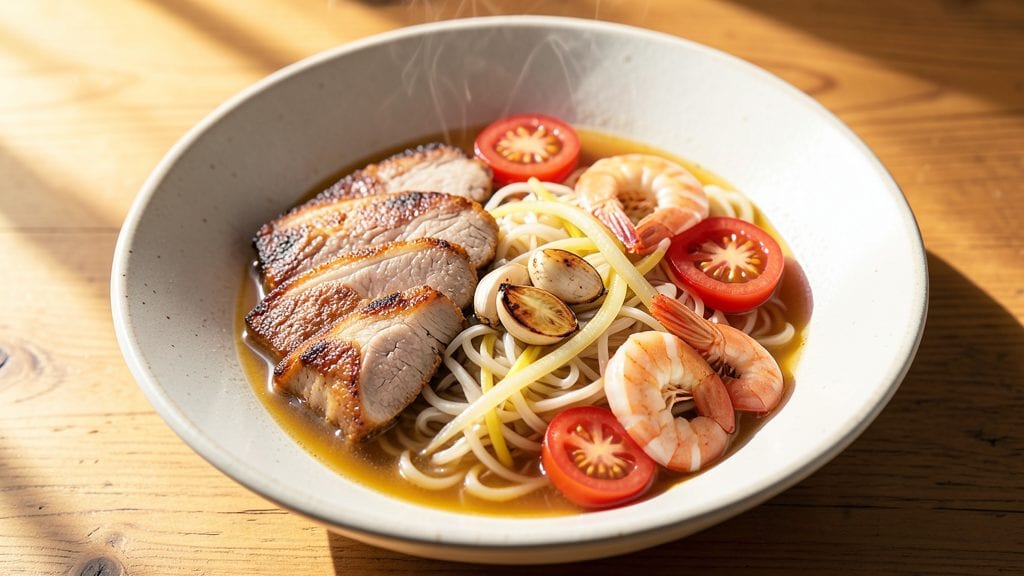
This marriage soup recipe delivers the heartwarming comfort of Filipino home cooking in every steaming bowl—where tender pork, shrimp, and vegetables simmer together in a rich, tangy broth that feels like a hug. 💛 The name comes from its tradition of serving during celebrations, symbolizing unity and togetherness, but its true magic lies in how simple ingredients transform into deeply flavorful nourishment.
What sets this recipe apart is its balanced approach: the sour tomato broth cuts through the richness of the pork and shrimp while fresh herbs and vegetables add brightness.
I've simplified the process without sacrificing authenticity, so you get restaurant-quality results with just one pot and about 45 minutes of active time. The key is building the broth properly—simmering tomatoes, pork bones, and aromatics until the flavors meld into something complex yet approachable.
By the end, you'll have a steaming pot of marriage soup where each bite delivers tender pork, sweet shrimp, and crisp-tender vegetables all swimming in a fragrant broth that's perfectly balanced between sour and savory.
It's the kind of meal that brings people together, whether for a family gathering or a quiet weeknight dinner. The best part? Every ingredient plays its role—no single component overpowers the others.
Serve it with steamed rice to soak up every last drop of that flavorful broth, or pair it with crusty bread for dipping. This recipe scales beautifully, making it perfect for feeding a crowd or prepping leftovers for busy days ahead. Let's get cooking!
Ingredients for marriage soup
Fifteen ingredients transform into a Vietnamese-inspired noodle dish that feels like home cooking.
| Ingredient | Amount | Notes |
|---|---|---|
| Pork Shoulder 🥩 | 1 ½ lb | Bone-in, cut into 1-inch cubes |
| Large Shrimp 🦐 | 1 lb | Peeled, deveined, tails on |
| Rice Noodles 🍜 | 8 oz | Flat or round, uncooked |
| Ripe Tomatoes 🍅 | 4 whole | Roma or vine-ripened, crushed |
| Yellow Onion 🧅 | 1 whole | Thinly sliced, white part only |
| Garlic Cloves 🧄 | 6 cloves | Minced, fresh preferred |
| Fresh Ginger 🌿 | 2 tbsp | Finely grated, peeled |
| Fish Sauce 💧 | 2 tbsp | Red Boat preferred |
| Soy Sauce 🥫 | 1 tbsp | Kikkoman or similar |
| Vegetable Oil 🫒 | 2 tbsp | For high-heat searing |
| Green Onions 🧅 | 3 whole | Thinly sliced, white and green |
| Fresh Thai Basil 🌿 | ¼ cup | Stems removed, chopped |
| Lime 🍋 | 1 whole | Juiced, seeds removed |
| Salt 🧂 | 1 ½ tsp | Diamond Crystal preferred |
| Black Pepper 🌶️ | ½ tsp | Freshly ground |
The pork shoulder is non-negotiable for depth of flavor—bone-in adds richness to the broth. Look for well-marbled cuts at Whole Foods or your local butcher shop. If using pre-cut pork, ensure it's 1-inch cubes for even cooking. Fresh shrimp should be bright white with no fishy odor—Trader Joe's or Costco often have reliable frozen options. For the noodles, rice vermicelli works best, but flat rice noodles add a pleasant chew. Store uncooked noodles in a cool, dry place for up to 6 months after opening.
No fish sauce? Soy sauce plus a splash of Worcestershire mimics the umami, though it won't be identical. Substitute dried Thai basil at half the amount if fresh isn't available, but the flavor will be less vibrant. For the tomatoes, San Marzano canned works in a pinch, but fresh is ideal—crush them by hand for better texture. The lime juice can be substituted with lemon juice, though lime's brightness is preferred. If you're short on time, pre-minced garlic and ginger from the store save steps, though freshly grated adds complexity. The green onions can be swapped for scallions if that's what you have.
This soup reheats beautifully—simmer gently to avoid breaking the noodles. Keeps for 3 days in the fridge, though the broth's flavor deepens over time. For leftovers, store the noodles and broth separately to prevent mushiness. Freeze the broth alone for up to 3 months—it's perfect for quick weeknight meals. To serve, assemble in bowls and garnish with fresh basil and lime wedges. The shrimp cooks quickly, so add it last to maintain tenderness.
Why You'll Love This Recipe
- One-Pot Magic: The pork shoulder and shrimp practically cook themselves while the noodles soak—just toss everything in one pot and let the flavors meld. No chopping mountains of veggies or juggling multiple pans here.
- Tomato-Onion Bomb: That sweet, caramelized onion and ripe tomato base? It’s the heart of this soup, turning the whole thing into a rich, tangy hug in a bowl. The shrimp adds a briny kick that makes it impossible to stop eating.
- Weeknight to Dinner Party: I’ve served this to tired coworkers and fussy guests—same recipe, same love. The noodles soak up the broth perfectly, and the pork shoulder stays tender enough to cut with a fork. (Yes, even on a Tuesday night.)
- Budget-Friendly Feast: Pork shoulder stretches for days, and shrimp adds luxury without breaking the bank. Make a double batch, and you’ve got leftovers that taste even better the next day—no sad, dry soup here.
Step-by-step instructions for Vietnamese-inspired marriage soup
This one-pot wonder delivers hearty, aromatic Vietnamese comfort in under an hour.
🔥 Step 1: Sear the Pork Shoulder for Deep Flavor
Heat the 2 tablespoons vegetable oil in a large Dutch oven over medium-high heat until shimmering. Add the 1.5 lb pork shoulder cut into 1-inch cubes, working in batches if needed to avoid crowding. Sear for 4-5 minutes per side until the pork develops a rich golden-brown crust and releases easily from the pan.
This high-heat searing locks in juices and builds the soup's foundational umami. Don't rush this step—patience here prevents dry pork later. Once browned, remove the pork and set aside on a plate, leaving all the rendered fat in the pot. That golden crust is where all the magic happens.
🍳 Step 2: Build the Aromatic Base
In the same pot, reduce heat to medium and add the thinly sliced white part of 1 whole yellow onion and 6 cloves minced garlic. Sauté for 2-3 minutes until the onions soften and become translucent, then add the 2 tablespoons finely grated fresh ginger. Cook for another 30 seconds until fragrant—this is where the soup's aromatic complexity begins to develop.
Next, add the 4 whole ripe tomatoes crushed by hand and the 1 tablespoon soy sauce. Stir well and let the mixture simmer for 5 minutes until the tomatoes break down into a chunky sauce. This step creates the soup's vibrant, slightly sweet base that balances the rich pork flavors. The soy sauce here adds depth rather than saltiness, so don't substitute with salt.
🥘 Step 3: Simmer the Pork in Flavorful Broth
Pour in 4 cups water (or enough to cover the pork by about 1 inch) and return the pork to the pot. Bring to a gentle boil, then reduce heat to low and add the 1.5 teaspoons salt and 0.5 teaspoon black pepper. Partially cover and simmer for 30 minutes, stirring occasionally, until the pork is fork-tender and nearly falling apart.
Here's the thing about marriage soup—it's all about that tender, melt-in-your-mouth pork. If you peek and see the pork isn't quite there, add ½ cup hot water and continue simmering. The broth should reduce slightly, intensifying the flavors. This is where the soup earns its comforting reputation—simple ingredients working together to create something deeply satisfying.
🍳 Step 4: Cook the Shrimp and Prepare the Noodles
While the pork simmers, prepare the 1 lb large shrimp by patting them dry with paper towels and seasoning lightly with ½ teaspoon salt and ¼ teaspoon black pepper. In a separate skillet, heat 1 tablespoon vegetable oil over medium-high heat until hot. Add the shrimp and cook for 1-2 minutes per side until just opaque—don't overcook or they'll turn rubbery.
Meanwhile, bring a separate pot of water to a boil and add the 8 oz rice noodles. Cook according to package instructions (usually 3-5 minutes) until al dente but still slightly firm. Drain and rinse briefly with cold water to stop the cooking process. This prevents the noodles from becoming mushy when added to the hot soup later.
🥘 Step 5: Finish with Herbs and Assemble
Return the pork and its broth to the Dutch oven and increase heat to medium-high. Add the cooked shrimp and simmer for 2 minutes just to heat through. Stir in the 2 tablespoons fish sauce—this is the secret weapon that balances all the flavors. Taste and adjust seasoning if needed, adding more fish sauce for umami or lime juice for brightness.
Divide the 8 oz cooked rice noodles among bowls, then ladle the hot soup over the top. Garnish each serving with 2 whole thinly sliced green onions (white and green parts) and 2 tablespoons chopped fresh Thai basil. Finish with a squeeze of lime juice from the 1 whole lime—this bright acidity cuts through the richness and elevates every bite.
Pro Tips For Making Marriage Soup
- COOK PORK LOW AND SLOW: Marriage soup needs tender pork that falls apart—don’t rush it. Braise the pork shoulder in broth at 300°F (150°C) for at least 2 hours, covered, until it’s fork-tender. I learned this the hard way: rushing it leaves you with chewy meat that ruins the whole dish.
- PEEL SHRIMP LAST MINUTE: Shrimp lose texture fast, so peel them right before adding to the soup. If you prep them too early, they’ll turn rubbery in the hot broth. Keep them whole until the final 5 minutes—just pop off the shells then for maximum flavor.
- CHAR THE ONION FIRST: Sauté the yellow onion in oil until deep golden brown—almost black in spots. This adds a smoky depth that cuts through the richness of the pork and shrimp. Skip this, and your soup tastes flat; do it right, and it’s the thing that makes people ask for seconds.
- SOAK NOODLES JUST BEFORE SERVING: Don’t boil the rice noodles in advance—they’ll turn mushy. Instead, soak them in hot broth for 2-3 minutes right before serving, then drain and toss with a splash of the soup’s oil. This keeps them al dente and lets you control the texture perfectly.
Perfect pairings for this marriage soup
Herb Garnishes
Fresh Thai basil is non-negotiable for that signature aromatic punch—about 2 tablespoons chopped per bowl adds a peppery, slightly sweet note that brightens the rich broth. I like to crush the leaves between my fingers before adding to release their essential oils.
For extra freshness, use cilantro as a substitute, though it has a more citrusy profile. 🌿
Crisp Toppings
Add crispy fried shallots (about 1 tablespoon per bowl) for a delightful textural contrast—they toast beautifully in 1 minute at 350°F while you finish the soup. Alternatively, toasted sesame seeds (just ½ teaspoon) provide a nutty crunch. Both elevate the dish without overpowering the delicate flavors.
Dipping Sauces
Serve with a side of sweet chili sauce (like Chao Praya) for dipping noodles—its tangy-sweet balance complements the soup's savory depth. For a homemade option, mix 1 tablespoon hoisin sauce with 1 teaspoon lime juice and a pinch of red pepper flakes.
This adds a playful contrast to each bite.
Beverage Pairings
A crisp Vietnamese-style beer like Bia Saigon cuts through the soup's richness with its light, effervescent profile. For non-alcoholic options, jasmine green tea served chilled provides a refreshing counterpoint. The tea's floral notes cleanse your palate between bites of the hearty soup. 🍺
Side Dishes
Pair with steamed jasmine rice to soak up every last drop of that flavorful broth. For a lighter option, serve with a cucumber salad tossed in rice vinegar and a pinch of sugar—the cool, crisp textures balance the warm, rich soup. Both options keep the meal well-rounded and satisfying.
Leftovers Strategy
Store leftovers in airtight containers for up to 3 days, keeping the noodles and broth separate to maintain texture. Reheat the broth first, then add noodles just before serving.
For a quick lunch, assemble with fresh herbs and lime juice to revive the flavors. The broth alone makes a fantastic base for future soups or grains. ✨
Nutrition facts
Frequently asked questions
What makes this marriage soup different from regular noodle soups?
This recipe blends Vietnamese-inspired techniques with Filipino comfort food traditions. The key difference is the tangy tomato-fish sauce broth that balances rich pork and shrimp, plus the herb-forward finish with Thai basil and lime. Unlike typical instant noodle soups, we build depth through slow-seared pork and layered aromatics. The noodles are cooked separately to maintain texture, ensuring each bite has perfect al dente chew.
Can I make this soup vegetarian or vegan?
Swap the pork for mushrooms or tofu (seared first for texture) and use vegan fish sauce (like Red Boat Vegan). Keep the shrimp by using king oyster mushrooms instead—they mimic seafood's texture beautifully. The broth remains rich with tomatoes, garlic, and ginger as the base. For extra protein, add edamame or chickpeas at the end.
Why does the recipe call for both fish sauce and soy sauce?
Each sauce plays a distinct role: fish sauce adds deep umami (traditional in Vietnamese cooking), while soy sauce provides a touch of saltiness and color. Together they create the signature savory-sour balance that defines this dish. Think of fish sauce as the flavor enhancer and soy sauce as the seasoning bridge. You can't fully replace either—fish sauce needs soy for complexity, and vice versa.
What's the best way to serve leftovers?
Store components separately: broth in one container, noodles in another, and proteins/herbs in a third. When reheating, warm the broth first, then add noodles just before serving to prevent mushiness. For extra freshness, top with lime wedges and fresh herbs to revive flavors. The broth alone makes an amazing base for future grain bowls or quick soups—just add rice or quinoa and your choice of protein.
Can I use chicken instead of pork?
Yes, but with adjustments: use bone-in chicken thighs (not breasts) for richness, and reduce cooking time to 15-20 minutes until tender. Chicken lacks pork's fat content, so add 1 extra tablespoon fish sauce to compensate. For authenticity, keep the shrimp as the primary protein—they complement chicken's milder flavor perfectly. The broth will be lighter but still delicious.