Soups & Stews
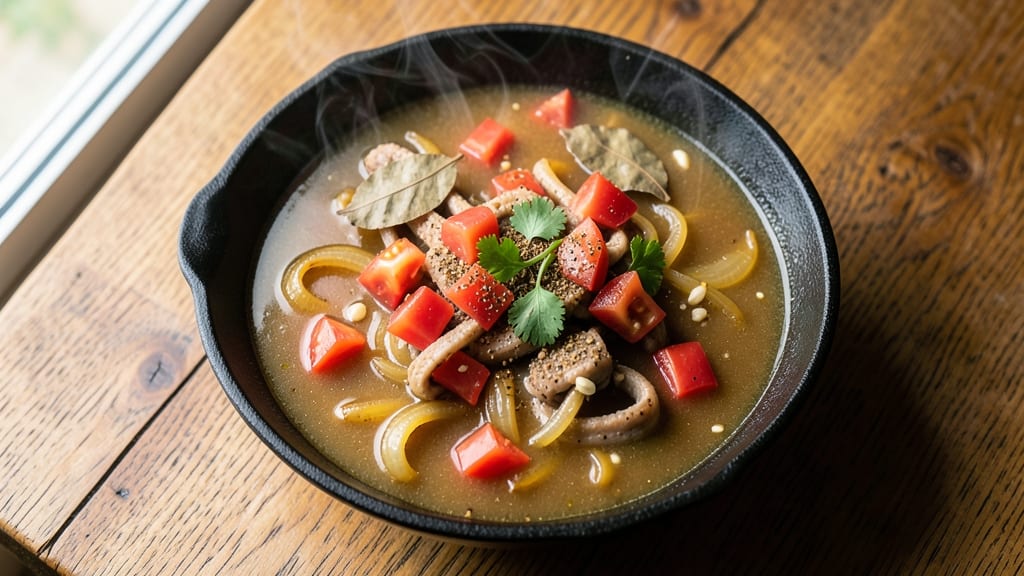
This Mexican tripe soup recipe delivers the bold, aromatic flavors of homestyle Mexican cooking in every spoonful. The secret lies in slow-simmered tripe, garlic, and spices that transform tough cuts into tender, flavor-packed bites—just like Abuela used to make.
I’ve perfected this version to balance traditional techniques with approachable steps, so even first-timers can achieve restaurant-quality results.
The magic starts with the tripe, which requires careful preparation to remove any gamey flavors and achieve that signature tender texture. We’ll simmer it low and slow with garlic, onions, and spices until it’s fork-tender, then finish with hominy and chiles for that authentic Mexican depth.
The broth becomes rich and aromatic, while the spices infuse every bite with warmth and complexity.
What you’ll end up with is a hearty, comforting soup that’s perfect for chilly evenings or family gatherings. The tripe is melt-in-your-mouth tender, the broth is deeply flavorful, and the garnishes—like fresh cilantro or a squeeze of lime—add brightness that cuts through the richness.
This recipe stays true to tradition while making it accessible for home cooks.
Whether you’re serving it as a main dish or pairing it with warm tortillas, this soup is a crowd-pleaser that brings a taste of Mexico to your table. Let’s get started on creating something truly special.
Ingredients for mexican tripe soup
Tripe transforms into tender bites with garlic, spices, and slow simmering—just like Abuela’s recipe.
| Ingredient | Amount | Notes |
|---|---|---|
| Tripe (Honeycomb or Blanket Cut) 🥩 | 2 lb | Cleaned, rinsed thoroughly |
| Yellow Onions 🧅 | 2 whole | Medium, chopped into quarters |
| Garlic Cloves 🧄 | 8 cloves | Peeled, lightly crushed |
| Dried Bay Leaves 🌿 | 2 whole | Crushed slightly for flavor |
| Ground Cumin 🌶️ | 2 tsp | Toasted for deeper aroma |
| Mexican Oregano 🌿 | 1 tbsp | Dried, not Italian oregano |
| Dried Ancho Chiles 🌶️ | 2 whole | Stems/seeds removed, chopped |
| Salt 🧂 | 1 ½ tsp | Diamond Crystal preferred |
| Canned Hominy 🌽 | 15 oz | Drained, rinsed thoroughly |
| Fresh Cilantro 🌿 | ¼ cup | Chopped, for garnish only |
| Limes 🍋 | 2 whole | Juiced, for finishing |
| Avocado Oil 🫒 | ¼ cup | High smoke point for searing |
| Chicken or Vegetable Broth 💧 | 6 cups | Low-sodium preferred |
| Black Peppercorns 🌶️ | ½ tsp | Freshly cracked |
| Jalapeño Pepper 🌶️ | 1 whole | Seeded, chopped for garnish |
The tripe is the star, so source it fresh from local butchers or specialty markets—they’ll clean and trim it for you. Honeycomb or blanket cut works best for this recipe. If you can’t find it pre-cleaned, soak it in cold water with vinegar for 30 minutes to remove any impurities. Penzeys or Latin markets often carry prepped tripe if your local butcher doesn’t. The ancho chiles? Look for dried pods with deep red color—none of that sad, brittle stuff. Toast them briefly in a dry pan to deepen their flavor before adding to the broth.
No Mexican oregano? Regular dried oregano at half the amount works in a pinch, but the flavor won’t be quite the same. Short on ancho chiles? Guajillo or pasilla chiles are good substitutes, but adjust the amount—ancho is milder. The hominy can be swapped for white beans or corn kernels if needed, though it loses that authentic texture. For the broth, homemade is ideal, but quality low-sodium store-bought works too. Just avoid the kind with added MSG—it’ll overpower the delicate flavors here. The garlic should be fresh, not that pre-minced jar stuff—it’s worth the 30 seconds to peel and crush those cloves.
This soup tastes even better the next day as the flavors meld. Store leftovers in the fridge for up to 5 days, or freeze for 3 months. I like to portion it into glass containers—they keep the soup tasting fresher longer. The tripe reheats beautifully, so it’s perfect for meal prep. Garnish with fresh cilantro and lime juice right before serving, as these add brightness that fades once mixed in. The jalapeño is optional but adds a nice kick—skip it if you’re serving kids or sensitive eaters.
Why You'll Love This Recipe
- One-Pot Magic: The tripe just needs a simmer—no fancy techniques, no last-minute chopping. Toss in onions, garlic, and cumin, then let the pot do the work while you sip your coffee.
- Deep Umami Bomb: That honeycomb tripe? It melts into tender, rich strands with a satisfying chew, while the bay leaves and cumin add warmth that lingers. Honestly, it’s the kind of flavor that makes you want to eat it every day.
- Leftovers That Shine: This soup tastes even better the next day—perfect for meal prep or feeding a crowd. I’ll be real: my freezer is always stocked with containers of it, because reheating it is just as good as the first bite.
- Budget-Friendly Powerhouse: Tripe stretches further than any other protein I know. A single bag feeds my family for days, and the spices cost pennies. It’s my go-to for stretching groceries without sacrificing taste.
Step-by-step instructions for Mexican tripe soup
Let's create a rich, aromatic tripe soup that balances tender meat with bright, spicy flavors.
Prepare the Tripe for Cooking
Begin by rinsing the 2 lb tripe (honeycomb or blanket cut) thoroughly under cold water to remove any impurities. You'll notice it's quite fibrous—this texture softens beautifully during cooking. Cut the tripe into 1-inch wide strips using a sharp knife, working against the grain for easier chewing. Place the prepared tripe in a large bowl and cover with cold water. Add 1.5 tsp salt and let it soak for 30 minutes—this helps remove any lingering odors and prepares it for the marinade.
While the tripe soaks, toast the 2 tsp ground cumin and 1 tbsp Mexican oregano in a dry skillet over medium heat for 1 minute until fragrant. This simple step deepens their flavor significantly. Remove from heat and set aside. You'll use these toasted spices later to build the soup's aromatic base.
Build the Soup Base with Aromatics
Heat 0.25 cup avocado oil in a large Dutch oven over medium heat. Add the 2 whole yellow onions (chopped into quarters) and cook for 8-10 minutes until they soften and develop a golden hue. Here's the thing—don't rush this step. You want the onions to caramelize slightly, which forms the flavor foundation.
Add the 8 cloves garlic cloves (peeled, lightly crushed) and 2 whole dried ancho chiles (chopped) to the pot. Cook for 1-2 minutes until the garlic becomes fragrant and the chiles darken slightly. This is where the soup's signature depth comes from. Stir in the toasted cumin and Mexican oregano, then add the 2 whole dried bay leaves (crushed) and 0.5 tsp black peppercorns. The spices should meld beautifully with the caramelized onions.
Simmer the Tripe Until Tender
Drain the soaked tripe and add it to the Dutch oven along with 6 cups chicken or vegetable broth. Bring to a boil, then reduce heat to low and simmer uncovered for 1.5 hours. You'll notice the tripe releases impurities initially, but don't worry—this is normal. After about 45 minutes, skim off any foam that rises to the surface to keep the broth clear.
Here's the critical checkpoint: The tripe should be fork-tender after 1.5 hours of simmering. Press a piece with a fork—it should offer slight resistance but still be easy to pierce. If it's still tough, continue cooking for another 15-20 minutes. The broth should reduce slightly, intensifying the flavors. This long cook time transforms the tripe from chewy to silky.
Finish with Hominy and Bright Flavors
Drain the 15 oz canned hominy and rinse it thoroughly under cold water. Add it to the pot along with the 0.25 cup avocado oil you reserved earlier. The hominy will absorb some of the rich broth, creating a satisfying texture contrast. Simmer for 10 minutes to heat through completely. You'll see the hominy plump up and the broth thicken slightly as it absorbs the tripe's flavors.
Remove the pot from heat and stir in the juice of 2 whole limes and the chopped jalapeño pepper. The acidity brightens the rich soup, while the jalapeño adds a subtle heat. Taste and adjust seasoning—you might need a pinch more salt or lime juice to balance the flavors. Let the soup rest for 5 minutes off the heat to allow the ingredients to meld.
Serve with Fresh Garnishes
Ladle the soup into bowls and garnish each serving with 0.25 cup fresh cilantro (chopped). The cilantro adds a fresh, herbaceous note that cuts through the richness. Serve immediately while the tripe is still tender and the broth is hot. This soup tastes even better the next day as the flavors deepen, but the tripe should be enjoyed at its peak tenderness.
For an authentic experience, serve with warm tortillas or crusty bread to soak up the flavorful broth. The combination of tender tripe, creamy hominy, and bright lime creates a harmonious balance that makes this soup a comforting centerpiece for any meal.
Pro Tips For Making Mexican Tripe Soup
- Blanch the Tripe First: Skip the guesswork—drop raw tripe into boiling water for 2-3 minutes before simmering. This removes the metallic taste and toughens the fibers just enough so they don’t turn to mush later. (Yes, even if you’re impatient like me, don’t skip this.)
- Sear Onions Until Dark: Don’t just soften those yellow onions—caramelize them until they’re deep golden, almost brown, before adding garlic. The extra flavor is worth the 5-7 minutes of patience, and it cuts through the tripe’s richness.
- Crush the Cumin: Whole cumin seeds toast better than ground powder, but if you’re using ground, toast it dry in a dry pan for 30 seconds first. Freshly toasted cumin smells like heaven and adds a warm, nutty depth the store-bought version can’t match.
- Simmer Low and Long: Tripe needs time—at least 2 hours of gentle simmering at 180°F (82°C). Rushing it makes the soup watery and the tripe chewy. Cover the pot and let it do its thing; your future self will thank you.
Best sauces and condiments for this dish
Ancho Chile Purée
Start by toasting 2 dried ancho chiles in a dry skillet over medium heat for 30 seconds per side—just until fragrant but not burned. Soak them in 1 cup hot water for 15 minutes—this softens them for blending.
Drain, then blend with 1 small garlic clove—no need to peel—and 2 tbsp water—until completely smooth. This purée adds deep, smoky richness that forms the base of your soup’s flavor profile. 🌶️
Garlic-Infused Oil
Heat ¼ cup avocado oil—high smoke point is key—in a small saucepan over low heat. Add 6 peeled garlic cloves—lightly crushed—and cook for 3-4 minutes—just until golden, not browned.
Strain through a fine-mesh sieve to remove solids, then reserve the fragrant oil. Add 1 tsp toasted cumin—to the strained oil for extra depth. This aromatic oil elevates every spoonful with its nutty, garlicky punch.
Lime Crema
Whisk together ½ cup sour cream—or Mexican crema for authenticity—with 2 tbsp fresh lime juice—strained to avoid pulp—and ½ tsp salt. Thin slightly with 1 tbsp warm broth—if needed for drizzling.
This bright, tangy topping balances the soup’s richness and adds a restaurant-quality finish. Serve directly over the soup or on the side for dipping tortillas.
Spicy Tomato Salsa
Combine 1 cup diced Roma tomatoes—seeds removed—with 1 tbsp chopped white onion, 1 jalapeño (minced), and 1 tbsp chopped cilantro. Add ½ tsp salt—Diamond Crystal preferred—and 1 tsp lime juice.
Let sit for 10 minutes—this lets flavors meld. The acidity and heat cut through the tripe’s richness beautifully. Use as a garnish or stir into the soup at the end for extra depth.
Cumin-Tostada Crumble
Toast 4 corn tortillas—cut into quarters—in a dry skillet over medium heat—until crisp and golden. Pulse in a food processor with 1 tsp ground cumin—and ½ tsp salt—until crumbled.
This adds a satisfying crunch and earthy cumin kick. Sprinkle generously over the soup just before serving—it’s the perfect textural contrast to the silky tripe. 💫
Avocado Lime Dressing
Blend 1 ripe avocado—pitted and peeled—with 2 tbsp lime juice, 1 tbsp olive oil, and ¼ tsp salt—until smooth. Thin with 1-2 tbsp water—if needed.
Drizzle over the soup tableside for a creamy, vibrant finish. This adds freshness and a velvety texture that complements the tripe’s heartiness.
Nutrition facts
Frequently asked questions
Can I substitute beef tripe with another type of tripe?
While beef tripe is traditional, you can use pork tripe (like honeycomb or blanket cut) for this recipe. The pork variety tends to be slightly more tender and absorbs flavors beautifully. Just ensure it's cleaned and rinsed thoroughly before cooking. For a vegetarian version, try using extra-firm tofu cut into strips and simmered with the same spices—it won't be identical, but it captures some of the hearty texture.
How do I know when the tripe is fully cooked?
The tripe is ready when it's fork-tender—meaning it should easily pierce with a fork but still offer slight resistance. After 1.5 hours of simmering, press a piece: if it separates cleanly with minimal effort, it's done. If it feels rubbery, continue cooking for another 15-20 minutes. Overcooking can make it mushy, so check it often in the last 30 minutes of simmering.
Can I make this soup in a slow cooker?
Yes! For a slow cooker version, follow the same prep steps (soaking and searing aromatics), then combine everything in the pot and cook on low for 6-7 hours or high for 3-4 hours. The long cook time ensures the tripe becomes tender without drying out. Just skip the skimming step—slow cookers handle impurities better. The broth will be even more flavorful from the extended simmer.
What if my soup tastes too gamey?
Gamey flavors often come from underprepared tripe. To fix it, soak the tripe in cold water with 1 tbsp vinegar and 1 tbsp salt for 30-60 minutes before cooking. If the flavor persists, add more acidity with extra lime juice or a splash of apple cider vinegar at the end. For prevention, always use fresh tripe and follow the recipe’s soaking and simmering steps precisely.
Can I freeze this soup for later?
Freezing works well! Let the soup cool completely, then portion it into airtight containers, leaving 1-inch headspace for expansion. It keeps for up to 3 months in the freezer. Thaw overnight in the fridge before reheating—never microwave directly from frozen. The tripe reheats beautifully, though the texture may be slightly softer than fresh. For best results, reheat gently on the stove with a splash of broth.