
Soups & Stews
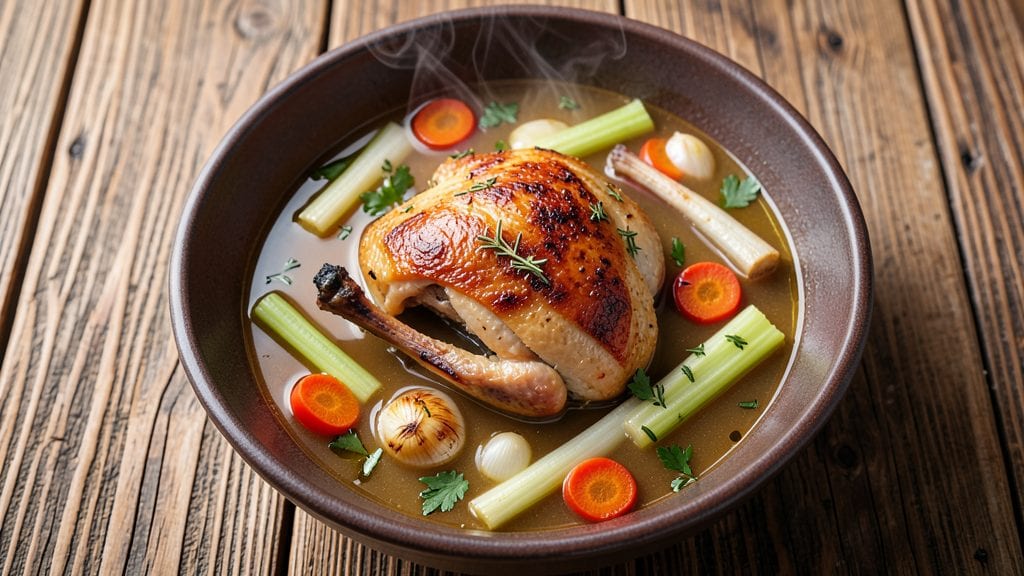
Transforming wild pheasant into a rich, aromatic soup reveals its deep, gamey essence while balancing it with herbal sophistication. This recipe builds on traditional techniques—slow simmering, bone broth extraction—while incorporating modern twists like precise spice blending and controlled cooking methods to ensure tender meat and complex flavors.
The result is a soup that feels both rustic and refined, perfect for special occasions or when you want to elevate everyday dining.
What sets this pheasant soup apart is its layered approach: starting with a flavorful base from roasted pheasant bones, then infusing it with aromatic vegetables and herbs that complement rather than overpower the wild game.
The key lies in proper preparation—seasoning the meat carefully, cooking it just until tender, and simmering the broth long enough to develop depth without bitterness. Every step is designed to maximize the pheasant’s natural richness while creating a harmonious balance.
The final result is a velvety soup with tender pheasant pieces floating in a golden broth, infused with earthy thyme, bright bay leaf, and subtle garlic notes.
The texture is luxurious—creamy yet light—while the flavors are bold enough to stand alone but versatile enough to pair with crusty bread or a simple green salad.
This is the kind of dish that transforms a simple meal into an unforgettable experience, where every spoonful tells a story of patience and precision.
Whether you're a seasoned home cook or new to game cooking, this recipe delivers restaurant-quality results with straightforward techniques. The process is methodical but not complicated, ensuring you can achieve professional-level depth and flavor in your own kitchen.
Let’s get started on creating a soup that captures the essence of wild game in its most elegant form.
Ingredients for pheasant soup
Transforming wild pheasant into this elegant soup requires precise ingredients and traditional techniques.
| Ingredient | Amount | Notes |
|---|---|---|
| Fresh Pheasant Meat 🦆 | 1 ½ lb | Skinless, cut into 1-inch pieces |
| Pheasant Bones 🦴 | 1 lb | Roasted for rich broth base |
| Yellow Onions 🧅 | 1 whole | Medium, sliced into half-moons |
| Carrots 🥕 | 4 medium | Peeled, cut into 1-inch chunks |
| Celery Stalks 🌿 | 3 whole | Fresh, cut into 1-inch pieces |
| Garlic Cloves 🧄 | 6 cloves | Fresh, peeled and smashed |
| Fresh Thyme 🌿 | ½ oz | Stems removed, leaves only |
| Bay Leaves 🍃 | 2 whole | Dried, standard size |
| Fresh Parsley 🌿 | ¼ cup | Chopped, for garnish |
| Extra-Virgin Olive Oil 🫒 | ¼ cup | For roasting bones |
| Dry White Wine 🍷 | 1 cup | Sauvignon Blanc preferred |
| Chicken Stock 🥫 | 4 cups | Homemade or high-quality |
| Heavy Cream 🥛 | ½ cup | Full-fat for richness |
| Salt 🧂 | 1 ½ tsp | Kosher or sea salt |
| Freshly Ground Black Pepper 🌶️ | ½ tsp | Freshly cracked |
The pheasant meat and bones are the foundation of this soup. For the meat, look for fresh, skinless cuts—ask your butcher to trim it for you if possible. The bones should be roasted until deeply browned for maximum flavor extraction. Whole Foods or specialty butchers often carry pheasant, but if you're hunting or know a local game processor, that's ideal. Fresh thyme and bay leaves are essential—dried can be used at half the quantity, but fresh delivers that herbal sophistication mentioned in the introduction. Don't skip the wine—it deglazes the roasted bones beautifully, adding acidity to balance the richness.
Substitutions should preserve the dish's depth. No white wine? Dry vermouth or apple cider vinegar work in a pinch. Chicken stock can be swapped for vegetable stock if preferred, though the flavor will differ slightly. For the carrots and celery, frozen works perfectly—just thaw and drain before using. Fresh parsley is traditional, but chives or tarragon add a nice variation. The heavy cream can be reduced to half-and-half for a lighter texture, though the soup will be slightly less luxurious. Always taste the broth before adding cream—adjust seasoning as needed.
This soup tastes even better the next day as flavors meld. Store in an airtight container in the fridge for up to 5 days. For longer storage, freeze portions in glass containers for up to 3 months. Reheat gently on the stove, adding a splash of water or stock if it thickens too much. The broth can be made ahead and stored separately—simmer the meat and vegetables in it just before serving for maximum freshness. Garnish with fresh parsley and a drizzle of olive oil just before serving for that restaurant-quality presentation.
Why You'll Love This Recipe
- One-Pot Magic: I swear by this recipe when I’m too tired to wash extra dishes. Brown the pheasant bones first—they melt into the broth like a secret weapon, and you’re left with one pot to scrub. Honestly, the celery and carrots practically cook themselves while the meat gets tender.
- Rich, Earthy Depth: That first sip of broth? Pure satisfaction. The pheasant bones infuse the liquid with a savory richness, while the onions and celery caramelize into a sweet, aromatic base. It’s not just soup—it’s a flavor explosion in a bowl.
- Weeknight to Holiday: Between us, this is my go-to for both lazy Tuesdays and Thanksgiving leftovers. Double the batch, freeze half, and you’ve got a ready-made feast for when unexpected guests show up. (Yes, even on a Tuesday night.)
- Budget-Friendly Luxury: Pheasant bones are a steal compared to buying pre-made stock, and the meat stretches farther than you’d think. I’ll be real: my grocery bill drops when I make this instead of ordering takeout. Plus, the leftovers taste even better the next day.
Step-by-step instructions for pheasant soup
Here's how to craft a rich, aromatic pheasant soup with deep gamey flavor and herbal complexity.
Roast the Pheasant Bones for Rich Broth
Preheat your oven to 425°F. Spread the 1 lb pheasant bones on a rimmed baking sheet and drizzle with the 0.25 cup extra-virgin olive oil. Toss to coat evenly, then roast for 20-25 minutes until the bones turn deep golden brown and the fat begins to render.
Transfer the roasted bones to a large Dutch oven. Add the 1 whole yellow onion (sliced), 4 medium carrots (cut into chunks), 3 whole celery stalks (chopped), and 6 cloves garlic (smashed). Pour in the 1 cup dry white wine and scrape up any browned bits from the bottom of the pot. This deglazing step captures all the flavorful fond.
Add 4 cups chicken stock, 1.5 tsp salt, and 0.5 tsp freshly ground black pepper. Bring to a boil, then reduce heat to low and simmer uncovered for 1.5 hours. This long simmering time extracts maximum flavor from the bones and vegetables, creating a deeply rich foundation for your soup.
Cook the Pheasant Meat and Aromatics
While the broth simmers, heat a separate skillet over medium-high heat. Add the 1.5 lb fresh pheasant meat (cut into 1-inch pieces) and sear for 3-4 minutes per side until golden brown. The meat should develop a nice crust but remain slightly pink in the center—it will finish cooking in the soup.
Remove the pheasant from the skillet and set aside. In the same skillet, add 0.5 oz fresh thyme and 2 whole bay leaves, cooking for 30 seconds until fragrant. Pour this aromatic mixture into the simmering broth along with the cooked pheasant meat.
Add the seared vegetables from the Dutch oven back into the pot. Stir gently to combine, then bring the soup back to a gentle simmer. Cook uncovered for another 30-40 minutes until the pheasant meat is fully tender and the flavors have melded together. The soup should have a rich, velvety texture with visible chunks of meat and vegetables.
Finish with Cream and Fresh Herbs
Once the pheasant is tender, carefully ladle the soup through a fine-mesh strainer into a clean pot, pressing gently on the solids to extract maximum flavor. Discard the strained vegetables and bones, but return the pheasant meat to the broth.
Reduce the heat to low and stir in the 0.5 cup heavy cream. Simmer gently for 5-7 minutes until the soup reaches your desired consistency. The cream will add a luxurious richness while keeping the soup light enough to highlight the gamey flavors.
Remove the pot from heat and stir in the 0.25 cup fresh parsley. Taste and adjust seasoning if needed—you may need a touch more salt or pepper to balance the flavors. The finished soup should have a perfect harmony of gamey richness, herbal notes, and creamy texture.
Serve with Crusty Bread
Ladle the hot pheasant soup into bowls, garnishing each serving with an additional sprinkle of fresh parsley and a few cracked black pepper flakes. Serve immediately with warm crusty bread to soak up every last drop of that flavorful broth.
This soup tastes even better the next day as the flavors continue to develop. Store any leftovers in the refrigerator for up to 3 days or freeze for up to 3 months. The rich broth makes excellent reheating, though you may need to add a splash of water or stock to restore the proper consistency.
Pro Tips For Making Pheasant Soup
- Sear the Bones First: Pheasant bones are lean and can dry out fast—start by searing them in batches over medium-high heat until deeply browned, about 8-10 minutes per side. This locks in flavor before you even add liquid, and I’ve learned the hard way that skipping this step means a soup that tastes more like broth than game.
- Trim the Fat, Not the Flavor: Pheasant meat has a fine layer of fat that renders beautifully—don’t strip it all off. Instead, score the skin in a crosshatch pattern and render it slowly in the pot with the bones. The fat will emulsify into the broth, giving it that rich, silky mouthfeel you’d pay extra for at a restaurant.
- Don’t Rush the Soup Base: After searing, deglaze with white wine or brandy and let it reduce by half before adding stock. I used to dump everything in at once, and the soup always tasted thin. This step builds depth—it’s the difference between a quick weeknight meal and something that feels special.
- Use a Meat Thermometer: Pheasant meat can turn rubbery if overcooked—pull it at 165°F (74°C) for the dark meat, 160°F (71°C) for the light. I was skeptical until I tried it; now I never guess, and the texture stays tender even after hours of simmering.
Dietary considerations for this dish
Game-Free Adaptation
For those avoiding game meat, substitute pheasant with duck breast (skin removed) or chicken thighs—both provide rich, flavorful alternatives. Use 2 lbs duck breast or 3 lbs chicken thighs instead of pheasant, adjusting cooking times to ensure tenderness.
Duck pairs beautifully with the herbal notes, while chicken offers a lighter profile. 🦆
Vegetarian Option
Transform this into a hearty vegetarian soup by replacing pheasant with mushrooms and tofu. Use 16 oz cremini mushrooms (sliced) and 1 block firm tofu (pressed and cubed).
Sauté the mushrooms until golden before adding to the broth, and simmer the tofu separately until tender. The umami from mushrooms enhances the broth’s depth without gamey undertones. 🍄
Gluten-Free Considerations
This recipe is naturally gluten-free, but always verify your chicken stock and wine for hidden gluten. Use a certified gluten-free stock (like Pacific Foods) and a gluten-free dry white wine (such as Sutter Home).
The broth’s richness comes from the pheasant and aromatics, not grains, so no modifications are needed beyond ingredient checks. 🌾
Dairy-Free Substitutions
Replace the heavy cream with full-fat coconut milk or cashew cream (blend 1 cup soaked cashews with ½ cup water) for a dairy-free version. The coconut milk adds a subtle sweetness that complements the herbal notes, while cashew cream maintains a velvety texture.
Adjust seasoning to balance the new flavors. 🥥
Low-Carb Adaptation
Skip the carrots and celery (or reduce to 2 stalks celery only) to cut carbs while keeping the soup’s depth. Boost flavor with extra thyme and bay leaf, and add ½ cup chopped spinach at the end for nutrients without significant carbs.
The broth’s richness will shine without vegetable bulk. 🥬
Allergen-Friendly Notes
For nut allergies, avoid cashew cream and opt for dairy-free coconut cream instead. If wine is a concern, substitute with apple cider vinegar (reduce to ¼ cup) or gluten-free chicken broth. Always double-check labels on stock and wine for cross-contamination risks. 🚫🌾
Nutrition facts
Frequently asked questions about wild game soups
Why is roasting pheasant bones essential for flavor?
Roasting the bones at 425°F for 20-25 minutes creates a deep, caramelized crust that unlocks rich, meaty flavors when simmered. This step extracts collagen and fat, transforming simple stock into a velvety, aromatic base. Skipping it results in a broth that's flat and lacking depth.
Can I use frozen pheasant instead of fresh?
Yes, but thaw it completely in the refrigerator for 24 hours before cooking. Pat dry thoroughly to ensure proper searing. Frozen pheasant works well, but fresh meat develops a better crust and retains more moisture during simmering. Never use partially thawed meat.
How do I prevent the soup from tasting too gamey?
Balance the wild flavors with bright aromatics: add lemon zest or a splash of white wine vinegar at the end, and increase fresh herbs like parsley and tarragon. The long simmer time (over 2 hours) also mellows the intensity. Taste as you go—adjust with acidity or sweetness as needed.
What's the best way to reheat leftovers?
Gently reheat on the stove over low heat until steaming, adding a splash of water or stock if it thickens too much. Never microwave—it breaks down the cream and makes the texture grainy. For best results, reheat only what you'll serve immediately.
Can I make this soup in a slow cooker?
Yes! Roast the bones as directed, then transfer everything to your slow cooker and cook on low for 6-8 hours. The long cook time enhances flavor but may require adding ½ cup extra stock to maintain consistency. Finish with fresh herbs and cream just before serving.