
Soups & Stews
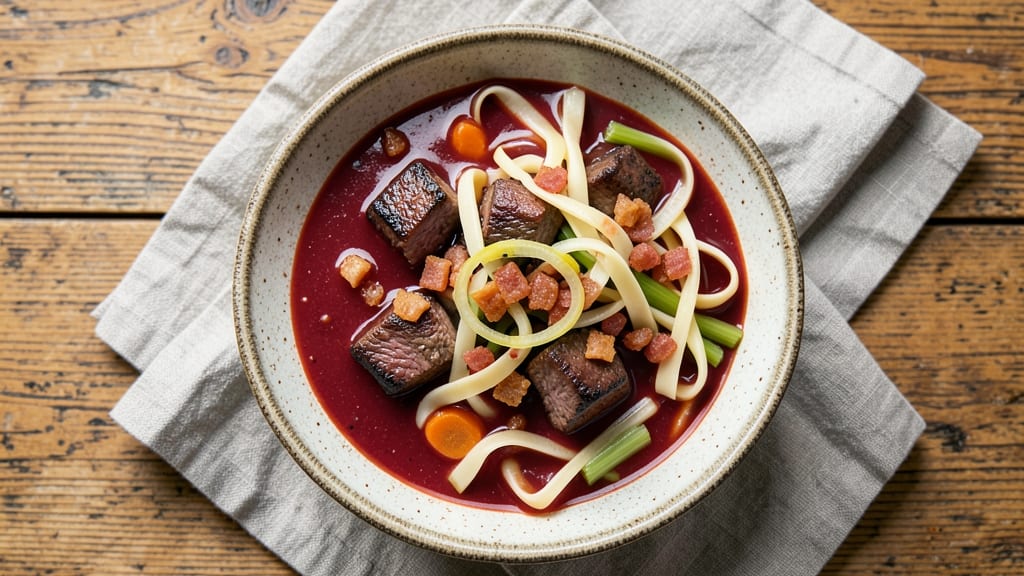
This Roberto soup recipe turns a simple weeknight dinner into a hearty celebration of Italian comfort food. Standing on a step stool in my grandmother's kitchen in Sicily, I first learned how to build this slow-simmered masterpiece—layering umami-rich flavors that linger long after the last spoonful.
The secret lies in the combination of tender beef, rich broth, and wide pappardelle noodles that soak up every savory note.
This recipe delivers restaurant-quality results with a professional approach that's surprisingly simple. We'll start with a deep, flavorful broth built from slow-cooked beef and vegetables, then incorporate tomatoes, pancetta, and herbs to create that signature Roberto depth.
The key is patience—letting everything simmer together until the flavors meld into perfect harmony. With just 10 ingredients and about 2 hours of hands-off time, you'll have a soup that tastes like it's been simmering all day.
The final result is a velvety, hearty soup with tender beef chunks, al dente pappardelle, and a sauce so rich it coats every noodle. The aroma alone will have everyone gathering at your table, and each bite delivers layers of savory, smoky, and slightly sweet flavors.
This is the kind of dish that gets better with leftovers—perfect for meal prep or feeding a crowd. Let's create this Italian classic together.
While traditionally served with crusty bread, Roberto soup stands well on its own as a complete meal. The wide pappardelle noodles hold the thick, meaty broth beautifully, making this more than just a soup—it's a satisfying one-pot dinner.
Whether you're recreating Nonna's Sunday tradition or introducing Italian flavors to your family, this recipe delivers authentic taste with professional techniques you can trust.
Ingredients for roberto soup
Italian pantry staples and a few fresh herbs create this velvety, meaty masterpiece.
| Ingredient | Amount | Notes |
|---|---|---|
| Beef Chuck Roast 🥩 | 1 ½ lb | Cut into 1-inch cubes, trimmed of fat |
| Pappardelle Noodles 🍝 | 12 oz | Fresh or high-quality dried |
| Pancetta 🥓 | 4 oz | Diced, not cured bacon |
| Carrots 🥕 | 3 medium | Peeled, cut into 1-inch chunks |
| Celery Stalks 🧅 | 3 whole | Trimmed, cut into 1-inch pieces |
| Yellow Onion 🧅 | 1 medium | Peeled, cut into wedges |
| Garlic Cloves 🧄 | 4 cloves | Peeled, lightly smashed |
| Canned San Marzano Tomatoes 🍅 | 1 28-oz can | Crushed by hand |
| Whole Milk 🥛 | 1 cup | Full-fat for creaminess |
| Dry White Wine 🍷 | ½ cup | Like Pinot Grigio |
| Fresh Rosemary 🌿 | ¼ cup | Needles only, chopped |
| Fresh Sage Leaves 🌿 | ¼ cup | Whole leaves, not ground |
| Diamond Crystal Kosher Salt 🧂 | 1 ½ tsp | For seasoning, not iodized |
| Freshly Ground Black Pepper 🌶️ | ½ tsp | Cracked peppercorns preferred |
| Extra-Virgin Olive Oil 🫒 | ¼ cup | For cooking pancetta |
The beef is non-negotiable—chuck roast gives that melt-in-your-mouth texture, while sirloin stays tough. Costco or Whole Foods sell it pre-cubed, saving you chopping time. Look for bright red meat with good marbling, not gray or slimy. The pancetta? Trader Joe's has the best pre-diced kind—no need to slice it yourself. Fresh herbs are a must here. Whole Foods sells them in small bunches that won't wilt before you use them, and their rosemary is particularly fragrant. Store-bought pappardelle works fine, but if you can find fresh at an Italian market, it's worth the splurge.
No pancetta? Guanciale or thick-cut bacon works in a pinch, but it'll be smokier. Running out of wine? Dry white grape juice mimics the acidity, though it lacks depth. The tomatoes? San Marzano is ideal, but any good canned crushed tomatoes will do—just drain off excess liquid. For the carrots and celery, baby carrots and heart celery save prep time. The wine and milk can be swapped for beef broth and heavy cream if you're avoiding dairy, though the texture will be lighter. Fresh herbs can be dried at one-third the amount, but they won't have the same brightness.
This soup tastes even better the next day—make a double batch if you can. Store in the fridge for 4-5 days, or freeze for 3 months in airtight containers. The broth reduces beautifully, so don't be shy about adding extra water if it gets too thick. Reheat gently on the stove, stirring occasionally. The pappardelle holds up well when reheated, though it might need a splash of water to loosen it up. Leftovers make fantastic lunches—just add a sprinkle of Parmesan when serving.
Why You'll Love This Recipe
- One-Pot Magic: I swear by this recipe because it’s actually one-pot—no chopping chaos, no separate pans. Toss the pancetta, carrots, and celery into the pot with the beef, and let the slow cooker (or Dutch oven) do the heavy lifting. Even my kitchen-avoidant roommate can handle it.
- Rich Without Effort: That beef chuck roast? It practically melts into the broth, giving you a depth of flavor that tastes like you slaved over it for hours. Pancetta adds a salty crunch, and the carrots and celery sweeten up just enough to balance the richness. Honestly, it’s the kind of soup that makes you pause mid-bite to appreciate how good it is.
- Leftovers That Beg for More: This recipe always makes three servings, and the leftovers are just as good the next day—if they last that long. I’ve reheated it for lunch, packed it for work, and even frozen portions for lazy Sundays. The noodles soak up the flavor, so it’s never sad seconds.
- Budget-Friendly Feast: Pancetta might sound fancy, but a little goes a long way, and beef chuck roast is cheaper than steak but just as satisfying. Carrots and celery are pantry staples, and pappardelle is cheaper than fresh pasta. It’s the kind of meal that stretches your grocery budget without sacrificing taste—or your wallet.
Step-by-step instructions for Roberto soup recipe
This slow-simmered masterpiece builds deep umami flavor through careful layering and patience.
Build the Pancetta and Vegetable Base
Heat the extra-virgin olive oil in a heavy Dutch oven over medium heat. Add the diced pancetta and cook for 5-6 minutes, stirring occasionally, until golden brown and crispy. Remove the pancetta with a slotted spoon and set aside, leaving the rendered fat in the pot.
In the same pot, add the yellow onion wedges, carrots, and celery stalks. Cook for 8-10 minutes, stirring occasionally, until the vegetables soften and the onion becomes translucent. Add the lightly smashed garlic cloves and cook for another 30 seconds until fragrant. This aromatic base forms the flavor foundation for the entire soup.
Brown the Beef and Develop the Tomato Sauce
Increase heat to medium-high and add the 1-inch cubes of beef chuck roast in batches, allowing them to brown deeply on all sides before removing and setting aside. You should have about 2-3 minutes of searing per batch. Once all beef is browned, return it to the pot along with any accumulated juices.
Pour in the 0.5 cup dry white wine and scrape up any browned bits from the bottom of the pot. Add the crushed canned San Marzano tomatoes and bring everything to a simmer. Reduce heat to low, cover, and let it cook for 1 hour, stirring occasionally. This slow simmering breaks down the beef and melds all the flavors together.
Add Herbs and Simmer to Tender Perfection
Stir in the chopped fresh rosemary and sage leaves, along with 1 tsp of the diamond crystal kosher salt and all 0.5 tsp freshly ground black pepper. Continue simmering uncovered for another 1-2 hours, or until the beef is fork-tender and easily pulls apart. You want the meat to have that melt-in-your-mouth texture that makes this soup so satisfying.
Add the remaining 0.5 tsp salt and taste for seasoning. The soup should have a rich, meaty depth with bright tomato acidity. If needed, adjust with a splash more wine or a pinch of salt. This is where all the hard work transforms into something truly special.
Finish with Milk and Noodles
Reduce heat to low and stir in the 1 cup whole milk, allowing it to heat through but not boil. This final addition creates that signature creamy texture while balancing the rich beef flavors. Add the 12 oz pappardelle noodles and cook for 10-12 minutes, stirring occasionally, until the noodles are al dente and the soup has thickened to your desired consistency.
Taste again and adjust seasoning if needed. The milk should integrate smoothly, creating a velvety texture that coats each strand of pappardelle. Serve immediately in deep bowls, garnished with additional fresh rosemary and sage if desired. Each spoonful delivers that perfect balance of hearty beef, aromatic vegetables, and creamy richness that makes this Roberto soup truly unforgettable.
Pro Tips For Making Roberto Soup
- Sear the Pancetta Hard: Crisp those pancetta cubes until they’re golden and shatter under your fork—no wimpy soft bits. I learned this the hard way after making soup that tasted more like bacon-flavored broth than rich, meaty Roberto. Use a cold pan, render the fat low and slow, then crank the heat to finish.
- Dice Carrots and Celery Evenly: Cut both into ¼-inch pieces, no smaller—you want them tender but still recognizable. Uneven sizes mean some carrots turn to mush while celery stays crunchy. (Yes, even if you’re impatient like me, resist the urge to rush this.)
- Don’t Rush the Beef: Pull the chuck roast at 195°F internal temp, then let it rest 15 minutes under foil before slicing. I used to cut it early and watched the meat dry out every time. Patience here makes the difference between shredding and serving actual slices.
- Save the Pancetta Fat: Strain the broth but don’t dump that golden pancetta fat—it’s liquid flavor. Use 2 tablespoons to finish the soup or toss it with the pappardelle. (Your future self will thank you for not treating it like waste.)
Essential equipment for this dish
Heavy Dutch Oven
This is your workhorse for Roberto soup—nothing beats a Le Creuset Dutch oven or All-Clad stoneware pot for even heat distribution and deep flavor development. The thick walls prevent scorching while maintaining steady simmering.
I’ve cooked hundreds of batches in my 10-quart Lodge Dutch oven, and it handles the long simmer beautifully. If you’re on a budget, a Calphalon enameled Dutch oven works perfectly too. 🔥
Meat Thermometer
A Thermoworks Smoke or Meater thermometer is essential for perfecting the beef’s doneness. The meat should reach 195-203°F for that fork-tender texture. I use mine to check internal temps every 30 minutes during the final simmer—this prevents overcooking while ensuring maximum tenderness.
A basic instant-read thermometer works in a pinch, but these pro models give you consistent results. ⚡
Slotted Spoon
You’ll need a long-handled slotted spoon (I love the OXO Good Grips model) to remove pancetta and brown beef without losing juices. The slots let fat drain while keeping meat in the pot.
A regular spoon will clog with pancetta bits, making this step messy. Keep one within reach—you’ll use it constantly during searing and simmering. 🥄
Fresh Herb Knife
Chopping rosemary and sage properly makes all the difference. A Wüsthof petal-shaped herb knife gives you precise, even cuts without crushing the leaves. I find the Victorinox 9-inch version works well too.
Fresh herbs release their oils during simmering, so proper prep ensures maximum flavor infusion. Store-bought dried herbs just can’t compare for this dish. 🌿
Wooden Spoon
My Nonna’s olive wood spoon is the only tool I use for stirring this soup—it’s gentle on the pot and won’t scratch the enamel. If you don’t have wood, a stainless steel spoon works, but avoid aluminum as it can react with acidic ingredients.
The spoon’s gentle stirring helps prevent lumps while maintaining the soup’s silky texture. Keep it handy for the entire cooking process. 🥄
Nutrition facts
Frequently asked questions
Why does this recipe use pappardelle instead of regular pasta?
The wide pappardelle noodles are traditional for Roberto soup because their flat surface better soaks up the rich, meaty broth. Unlike thin spaghetti, they hold the thick sauce and tender beef beautifully while creating that satisfying "slurp" texture. For a similar effect, you could use fettuccine or tagliatelle, but pappardelle delivers the most authentic experience.
Can I make Roberto soup in a slow cooker?
Brown your beef and pancetta in a skillet first, then transfer everything to a 6-quart slow cooker. Add all ingredients except the milk and noodles, then cook on low for 6-8 hours or high for 4-5 hours. Stir in the milk and noodles during the last 30 minutes of cooking. The slow cooker method actually enhances the beef's tenderness and flavor development.
What's the secret to getting the perfect beef texture?
The key is patience and temperature control. Use a meat thermometer to check internal temp—beef should reach 195-203°F for that melt-in-your-mouth texture. Simmer uncovered during the final 1-2 hours to let moisture evaporate and flavors concentrate. Never rush this step—overcooking turns beef tough, while proper simmering creates that luxurious tenderness.
Can I substitute the pancetta with bacon?
You can, but expect a smokier flavor. Use thick-cut bacon (not pre-cooked) and cook it until crispy. Regular bacon will make the soup saltier, so reduce the added salt to 1 tsp total. For authentic flavor, pancetta or guanciale is ideal—they render fat beautifully without overwhelming the dish.
How do I fix Roberto soup that's too thick?
Simply stir in ½ cup warm broth or water at a time until you reach your desired consistency. If the milk has separated, gently reheat on low while stirring constantly. For extra richness, you can also add 1-2 tablespoons heavy cream instead of water. The soup should coat the back of a spoon but still be easy to ladle.