
Soups & Stews
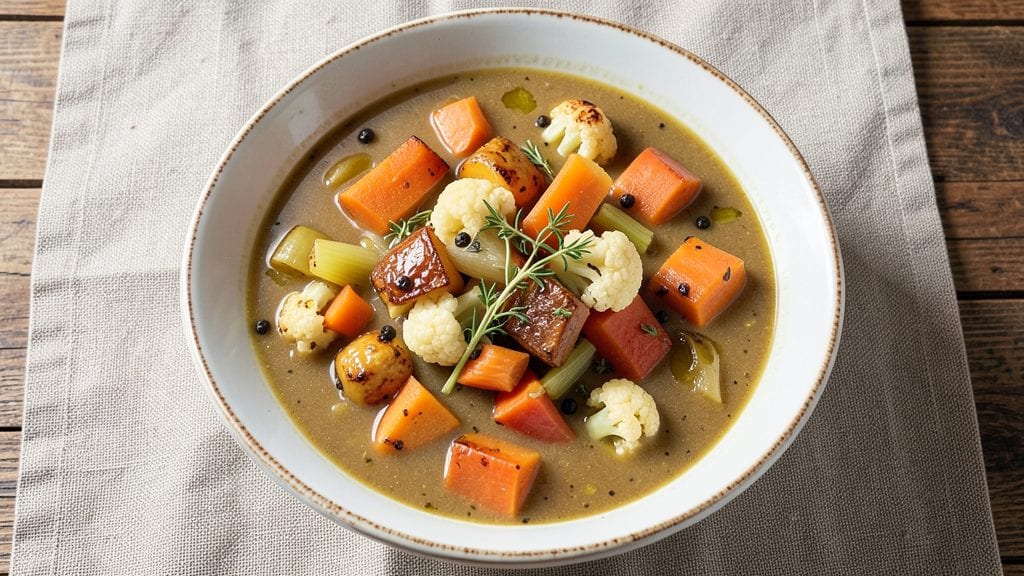
Creating a thick soup recipe that delivers both velvety texture and hidden veggie goodness is the perfect solution for hearty weeknight dinners. The secret lies in blending pureed vegetables directly into the broth, which thickens the soup naturally while keeping it nutritious.
This method transforms simple ingredients into a restaurant-quality meal that's both satisfying and packed with flavor.
The foundation of this soup begins with a flavorful base of onions, carrots, and celery sautéed until tender, then simmered with aromatic herbs and spices. A blend of pureed vegetables—like sweet potatoes, butternut squash, or cauliflower—adds body and richness without overpowering the dish.
The result is a velvety, cohesive soup that coats the spoon and leaves you wanting more.
What sets this recipe apart is its ability to deliver a thick, velvety texture while sneaking in vegetables that even picky eaters won’t notice. The pureed ingredients create a smooth, creamy consistency that feels luxurious, while the simmered vegetables add depth and complexity.
This soup is hearty enough to stand alone as a complete meal, perfect for chilly evenings or when you need a comforting dish.
Once you’ve mastered the technique, you can customize it endlessly—add protein like chicken or beans, or swap in seasonal vegetables for variety. The key is patience during the simmering process, which allows all the flavors to meld together seamlessly. Ready to transform simple ingredients into a velvety, veggie-packed masterpiece?
Ingredients for thick soup
Transform simple vegetables into a velvety, restaurant-quality soup with these essential ingredients.
| Ingredient | Amount | Notes |
|---|---|---|
| Yellow Onion 🧅 | 1 whole | Diced into 1/4-inch pieces |
| Carrots 🥕 | 2 medium | Peeled and chopped into 1/4-inch pieces |
| Celery Stalks 🌿 | 2 whole | Diced into 1/4-inch pieces |
| Sweet Potatoes 🍠 | 1 ½ lb | Peeled and cubed into 1-inch pieces |
| Butternut Squash 🎃 | 1 lb | Peeled, seeded, and cubed |
| Cauliflower Florets 🥬 | 1 lb | Fresh or frozen, no need to thaw |
| Chicken Broth 💧 | 6 cups | Low-sodium preferred |
| Garlic Cloves 🧄 | 4 cloves | Minced for depth of flavor |
| Fresh Thyme 🌿 | 2 tbsp | Chopped, stems removed |
| Fresh Rosemary 🌿 | 1 tbsp | Chopped, for earthy aroma |
| Bay Leaves 🌿 | 2 whole | Dried, for subtle depth |
| Extra-Virgin Olive Oil 🫒 | 2 tbsp | High-quality for flavor |
| Salt 🧂 | 1 ½ tsp | Diamond Crystal preferred |
| Black Peppercorns 🌶️ | ½ tsp | Freshly cracked for heat |
| Heavy Cream 🥛 | ½ cup | Full-fat for richness |
The vegetable selection is critical for achieving that signature velvety texture. Sweet potatoes and butternut squash from Whole Foods or your local farmers market provide the natural sweetness and body that transforms this into a luxurious dish. For cauliflower, opt for fresh when available—Trader Joe's often carries organic options at a reasonable price. The yellow onion, carrots, and celery should be fresh and firm, with no soft spots or discoloration. If using frozen cauliflower, no need to thaw—just drain well before blending. The chicken broth forms the base, so choose a high-quality, low-sodium option like Pacific Foods or Kettle & Fire for maximum flavor impact.
No sweet potatoes? Substitute with an extra pound of butternut squash or pumpkin—the texture will be slightly different but still delicious. Short on cauliflower? Zucchini or yellow squash work beautifully when pureed. The heavy cream can be swapped for coconut milk or Greek yogurt for a lighter option, though the texture will be slightly less velvety. Fresh herbs are ideal, but dried thyme and rosemary at one-third the amount will suffice in a pinch. For the broth, vegetable broth works equally well if you prefer a vegetarian version. The key to this soup's success lies in the pureeing technique—blend until completely smooth for that restaurant-quality consistency.
This soup keeps exceptionally well, making it perfect for meal prep. Store in airtight containers in the refrigerator for up to 5 days, or freeze for 3 months—the flavors actually deepen over time. Reheat gently on the stove, adding a splash of broth if needed to restore creaminess. For best results, portion into individual containers before freezing. The velvety texture holds up beautifully when reheated, though adding a dollop of cream or a pat of butter at the end can restore richness if needed. Leftovers make excellent lunches or can be transformed into creamy soup croquettes for an appetizer.
Why You'll Love This Recipe
- Minimal Chopping Required: I swear by this trick—just dice the onion, carrots, and celery once, then toss them all in raw. No fancy julienne needed. The sweet potatoes and squash? Peel, cube, and dump. That’s it. My hands stay clean, and the soup still tastes like I slaved over it.
- Sweet & Savory Magic: The butternut squash adds this velvety sweetness that balances the earthy carrots and crisp celery. Honestly, the first time I made this, I thought, "Wait, that’s it?" But then the flavors melded—warm, deep, and just a little smoky if you toast the spices—and I was hooked. It’s the kind of soup that makes you slow down.
- Meal Prep MVP: This keeps perfectly for days in the fridge, and the texture only gets better as it sits. I make a big batch on Sundays, and by Wednesday, it’s still hearty enough to feed the family without turning into mush. Freezes like a dream too—just reheat with a splash of water, and it’s like fresh again.
- Budget-Friendly Pantry Staples: Between us, this soup costs me about $3 for a full pot. Onions, carrots, celery—those are the holy trinity of cheap veggies, and the sweet potatoes stretch the flavor for miles. I’ll be real: my grocery bill drops when I stock up on these, and my freezer does too. No sad takeout nights here.
Step-by-step instructions for thick soup with velvety texture
Transform simple ingredients into a rich, velvety soup where vegetables disappear into luxurious depth.
Sauté the Vegetable Base for Flavor Foundation
Heat the 2 tablespoons extra-virgin olive oil in a large Dutch oven over medium heat until shimmering. Add the diced yellow onion, chopped carrots, and diced celery stalks, stirring occasionally for 5-6 minutes until softened but not browned. This gentle cooking releases their natural sugars and aromatics without burning.
Add the minced garlic cloves and cook for 30 seconds until fragrant—this prevents the garlic from turning bitter. Immediately stir in the chopped fresh thyme and chopped fresh rosemary, allowing the herbs to bloom for 1 minute. The goal here is to build a flavorful base that will infuse the entire soup.
Add Root Vegetables and Simmer Until Tender
Increase heat to medium-high and add the cubed sweet potatoes and cubed butternut squash. Pour in the 6 cups chicken broth, then add the 2 whole bay leaves, 1.5 teaspoons salt, and 0.5 teaspoon cracked black peppercorns. Bring to a boil, then reduce heat to low, cover partially, and simmer for 20 minutes until the vegetables are fork-tender but not falling apart.
Check for doneness by piercing the sweet potatoes with a fork—they should yield slightly but still hold their shape. If the broth reduces too quickly, add ½ cup water to maintain proper consistency. This stage develops the soup's natural sweetness while keeping the texture intact.
Incorporate Cauliflower and Thicken the Base
Add the cauliflower florets and simmer uncovered for 10-12 minutes until they're tender and the soup thickens naturally from the vegetables breaking down. The cauliflower should absorb the surrounding flavors while adding subtle creaminess without needing additional thickeners.
Taste the soup and adjust seasoning if needed—this is your opportunity to balance the natural sweetness of the squash and sweet potatoes with the earthy notes of the herbs. The soup should be rich but not overly salty, with a harmonious blend of all components.
Finish with Cream for Velvety Texture
Reduce heat to low and stir in the 0.5 cup heavy cream, allowing it to warm through for 2-3 minutes without boiling. The cream should blend seamlessly, creating a luxurious mouthfeel while adding subtle richness. Remove the bay leaves at this stage as they've served their purpose.
For maximum thickness, let the soup sit off heat for 5 minutes—this allows the starches to fully gel. If needed, simmer briefly to reach your desired consistency. The final texture should coat the back of a spoon lightly, with no graininess from the vegetables.
Serve Warm with Garnish Options
Ladle the soup into bowls and serve immediately while hot. Garnish with additional chopped fresh thyme or cracked black peppercorns for visual appeal and extra flavor. The contrast between the velvety texture and the bright herbs creates an elegant presentation.
This soup keeps well in the refrigerator for 3-4 days, with flavors deepening over time. For reheating, warm gently on the stove over low heat, stirring occasionally to prevent scorching. The key to maintaining thickness is never bringing it to a full boil during reheating.
Pro Tips For Making Thick Soup
- Sweat the Aromatics Slow: Don’t rush the onion, celery, and carrot cook—let them soften for 8-10 minutes on medium heat until the onion turns translucent and the celery’s edges just start to brown. This builds flavor that cuts through the sweetness of the squash and sweet potatoes later. (Yes, even if you’re staring at the clock.)
- Cut Squash Uniformly: Dice the butternut squash and sweet potatoes into ½-inch cubes, not random chunks. Consistent sizing means even cooking—no mushy bits or underdone centers. Use a sharp knife and don’t skip the paring step to remove the squash’s tough skin.
- Simmer, Don’t Boil: Once everything’s in the pot, keep the heat at a gentle simmer (tiny bubbles, occasional swirls). Boiling turns veggies to mush and makes the soup watery. If it’s too thick, add a splash of broth later—don’t rush the process.
- Blend in Stages: Puree half the soup first, then blend the rest separately. This keeps the texture balanced—some chunky bits add appeal, while smooth patches make it feel rich. (And skip the immersion blender if you’re blending in batches—it’s a mess.)
Perfect pairings for thick soup
Bread Pairings
This velvety soup pairs beautifully with crusty sourdough or fresh baguette slices for dipping. I love using a rustic Italian loaf from my local bakery—its crisp exterior contrasts perfectly with the soup's silky texture.
For extra indulgence, toast the bread with garlic-infused olive oil and sprinkle with flaky sea salt before serving. 🥖
Protein Additions
Transform this vegetarian soup into a hearty meal by stirring in shredded rotisserie chicken or crispy bacon bits just before serving. For a plant-based option, add white beans (about 1 cup cooked) during the final 10 minutes of simmering.
The beans absorb the soup's flavors beautifully while adding protein and texture.
Cheese Toppings
Elevate your bowl with grated Parmesan cheese or sharp cheddar for a savory finish. I recommend Parmigiano-Reggiano for its nutty depth—sprinkle 1 tablespoon per serving just before eating. For a creamy twist, top with crumbled blue cheese or goat cheese for a tangy contrast to the soup's sweetness. 🧀
Herb Garnishes
Fresh herbs brighten every spoonful. I like finishing with chopped parsley or microgreens for a pop of color and freshness. A sprinkle of toasted sesame seeds adds an Asian-inspired touch, while crispy fried shallots bring a delightful crunch. For warmth, try smoked paprika or crushed red pepper flakes.
Acidic Accents
Balance the richness with a squeeze of fresh lemon juice (about ½ teaspoon per bowl) or a drizzle of hot honey for sweet-tart contrast. A few drops of balsamic glaze also work beautifully, adding depth without overpowering. These finishes cut through the creaminess and refresh your palate. 🍯
Beverage Pairings
Complement your soup with a crisp white wine like Sauvignon Blanc—its citrus notes mirror the herbs in the soup. For beer lovers, a Belgian witbier with its coriander and citrus flavors creates a refreshing match.
Warm chamomile tea or spiced apple cider also pair wonderfully, especially during colder months. 🍷
Nutrition facts
Frequently asked questions
Why does my soup turn out watery even after simmering?
Watery texture usually means the vegetables weren't cooked long enough to release starches. For a velvety consistency, simmer uncovered for 10-15 minutes after adding cauliflower to let the liquid reduce naturally. If needed, blend ½ cup cooked vegetables with a splash of broth and stir back in to thicken.
Can I make this soup without heavy cream?
For a dairy-free version, blend ½ cup cooked white beans or ½ cup silken tofu with the soup's liquid for creaminess. Alternatively, use ½ cup coconut milk—it adds richness while keeping the soup vegan. The texture will be slightly lighter but still satisfying.
What's the best way to store leftovers?
Transfer soup to airtight containers and refrigerate for up to 5 days. For freezing, portion into individual containers (leaves room for expansion) and store for 3 months. Thaw overnight in the fridge—never microwave directly. Reheat gently on low heat, stirring frequently to prevent separation.
How do I adjust the flavor if my vegetables taste bland?
Boost flavor by adding 1 extra bay leaf or ½ teaspoon smoked paprika during simmering. For depth, stir in 1 tablespoon soy sauce or 1 teaspoon miso paste in the last 5 minutes. A splash of apple cider vinegar (1 teaspoon) brightens the broth without overpowering. Taste as you go!
Can I use frozen vegetables instead of fresh?
Yes, but thaw and drain excess moisture first. For pureeing, frozen cauliflower works perfectly—just add it 5 minutes earlier than fresh to ensure even cooking. Avoid using frozen veggies with ice crystals, as they dilute the soup. The texture will be just as velvety with proper preparation.