
Soups & Stews
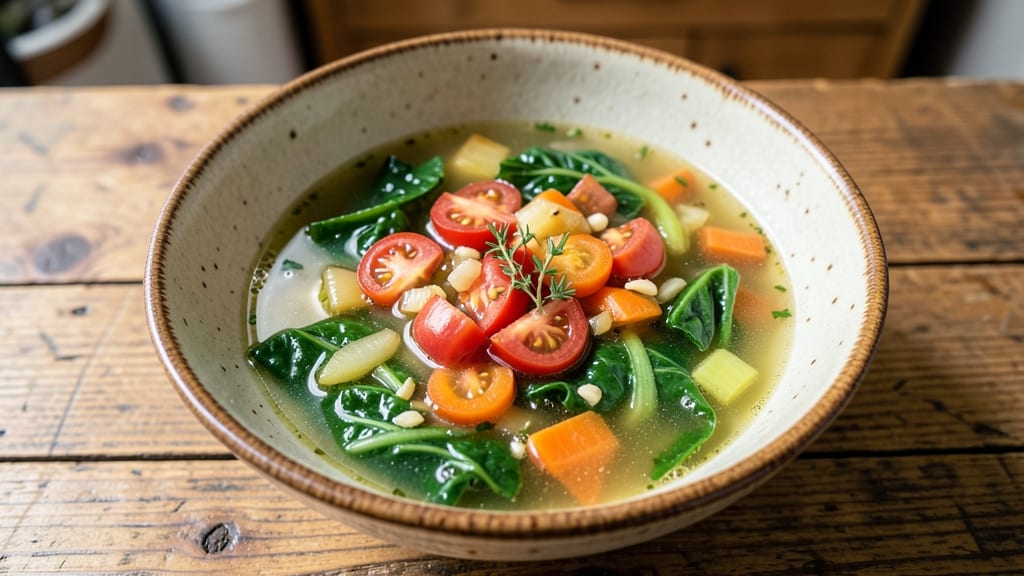
This American Heart Association cabbage soup recipe delivers all the comforting flavors of classic cabbage soup while meeting strict heart-healthy guidelines—low sodium, packed with fiber, and ready in under 30 minutes.
The secret lies in using fresh vegetables like cabbage, carrots, and tomatoes, combined with lean protein options such as beans or tofu, all steamed or sautéed with minimal oil to preserve nutritional benefits. Every spoonful is designed to support cardiovascular health without sacrificing taste.
What sets this soup apart is its balance of nutrition and simplicity. You’ll find no added salt, no heavy cream, and no processed ingredients—just whole foods that work together to create a hearty, satisfying bowl.
The cabbage provides fiber and vitamins, while the beans or tofu add plant-based protein, making this a complete meal that aligns with dietary guidelines for heart health. It’s the kind of dish that proves healthy eating can still feel indulgent.
The result is a vibrant, aromatic soup with tender vegetables and a broth that’s rich in flavor but light on sodium. The texture is just right—soft yet slightly crisp from the carrots and celery—while the depth of flavor comes from herbs and spices rather than salt.
This recipe is perfect for anyone looking to eat well without compromising on comfort, and it’s easy enough to make for weeknight dinners or meal prep.
Serve it as a standalone meal or pair it with a slice of whole-grain bread for added texture. The nutritional benefits—high fiber, low saturated fat, and plenty of potassium—make it a smart choice for maintaining a heart-healthy diet.
Here’s how to make it step by step, with tips to ensure every bowl is as nourishing as it is delicious.
Ingredients for american heart association cabbage soup
Fresh vegetables and lean plant proteins create this heart-healthy cabbage soup with bold flavor and minimal sodium.
| Ingredient | Amount | Notes |
|---|---|---|
| Green Cabbage 🥬 | 6 cups | Shredded, outer leaves removed |
| Carrots 🥕 | 2 medium | Peeled, sliced into rounds |
| Yellow Onion 🧅 | 1 medium | Diced, yellow or white |
| Celery Stalks 🌿 | 3 whole | Chopped, leafy parts trimmed |
| Garlic Cloves 🧄 | 4 cloves | Minced, fresh preferred |
| Canned Diced Tomatoes 🍅 | 1 14.5oz can | No salt added preferred |
| Vegetable Broth 💧 | 4 cups | Low-sodium preferred |
| Canned White Beans 🌱 | 1 15oz can | Drained and rinsed |
| Extra-Virgin Olive Oil 🫒 | 1 tbsp | For sautéing, light flavor |
| Fresh Parsley 🌿 | ¼ cup | Chopped, for garnish |
| Fresh Dill 🌿 | 1 tbsp | Chopped, optional for depth |
| Black Peppercorns 🌶️ | ½ tsp | Freshly ground, no salt |
| Bay Leaf 🌿 | 1 whole | Removed before serving |
| Whole-Grain Bread 🍞 | 2 slices | For serving, optional |
The cabbage and carrots form the soup's hearty base. Green cabbage should be firm and crisp, with outer leaves removed—they often contain dirt. For carrots, organic or conventionally grown both work, but avoid those with soft spots. The yellow onion and celery add sweetness and depth; I always buy celery in bundles and store it wrapped in damp paper towels to keep it fresh longer. Garlic cloves should be plump and firm—none of that sprouting nonsense. For the broth, low-sodium vegetable broth is a must; brands like Imagine or Pacific Foods have the best flavor without the salt.
No fresh dill? Dried dill at one-third the amount works in a pinch, though fresh has more brightness. Swap white beans for chickpeas or lentils if you prefer—just adjust cooking time. The canned tomatoes should be no-salt-added; Muir Glen is my go-to for quality. For extra protein, add firm tofu cubes (drained and pressed) or extra beans. The olive oil is minimal here—just enough to sauté without overpowering. If you're watching calories, use aerosol cooking spray instead.
This soup tastes even better the next day as flavors meld. Store in glass containers for up to 4 days in the fridge. Freezes beautifully for 3 months—just thaw overnight in the fridge. The bread? Toast it separately to avoid sogginess. For meal prep, double the batch and portion into mason jars. The herbs can be added fresh when reheating to preserve their aroma.
Why You'll Love This Recipe
- No-Chop Nightmare: I swear by this recipe when I’m too tired to dice anything. The cabbage shreds in seconds with a knife or even my hands—no fancy prep, just dump and stir. The onions and carrots? Big chunks work just fine; no one’s judging your knife skills here.
- Garlic Bomb Flavor: That one teaspoon of minced garlic? Oh, it’s there—warm, punchy, and lingering in every bite. The celery adds this subtle earthiness that balances the sweetness of the carrots, and the cabbage soaks it all up like a sponge. Honestly, it’s the kind of flavor that makes you go back for seconds without even thinking.
- Leftover Goldmine: This soup only gets better the next day. The flavors meld into something richer, and it reheats like a dream. I make a big pot on Sundays, then portion it out for lunches all week—no sad, wilted salads here. (Between us, my kids actually ask for it.)
- Pantry Staple Magic: You’re already using things you have: that half-onion sitting in your fridge, the carrots you bought for snacks, maybe even a bag of cabbage you forgot about. No special ingredients, no last-minute grocery runs. It’s the kind of recipe that turns “I don’t know what to eat” into “dinner’s solved.”
Step-by-step instructions for american heart association cabbage soup
This method delivers a heart-healthy, flavor-packed cabbage soup with minimal effort.
Prepare and Sauté the Vegetable Base
Heat 1 tablespoon extra-virgin olive oil in a large pot over medium heat. Add the diced yellow onion, chopped celery stalks, and sliced carrots. Cook for 5-6 minutes until the vegetables soften slightly and the onion becomes translucent.
Add the minced garlic cloves and cook for 30 seconds until fragrant. This step builds the aromatic foundation of the soup while preventing the garlic from burning. Stir occasionally to ensure even cooking of all vegetables.
Add Liquids and Seasonings
Pour in the 4 cups vegetable broth and the 14.5-ounce can diced tomatoes. Bring the mixture to a gentle boil, then reduce heat to medium-low and add the 6 cups shredded green cabbage, 15-ounce can drained white beans, 0.5 teaspoon freshly ground black peppercorns, and the whole bay leaf.
Let the soup simmer uncovered for 15-20 minutes until the cabbage softens but still retains some texture. The vegetables should be tender enough to eat but not mushy. Stir occasionally to prevent sticking and ensure even cooking.
Finish with Fresh Herbs and Adjust Consistency
Remove the bay leaf from the soup. Stir in the 0.25 cup chopped fresh parsley and 1 tablespoon chopped fresh dill. Taste and adjust seasoning if needed, though the low-sodium ingredients should already provide balanced flavor.
If the soup is too thick, add ½ cup water at a time until it reaches your desired consistency. The soup should be hearty but still easy to ladle. For extra comfort, serve with the optional 2 slices whole-grain bread on the side.
Serve Warm and Enjoy
Ladle the soup into bowls and let it rest for 2-3 minutes before serving. This allows the flavors to meld and the soup to reach the perfect temperature. The combination of tender cabbage, creamy white beans, and aromatic vegetables creates a satisfying, low-sodium meal that's gentle on the heart.
For added freshness, garnish each serving with an extra sprinkle of chopped parsley or dill. The soup pairs beautifully with a side salad or a slice of crusty whole-grain bread for a complete, comforting meal.
Pro Tips For Making American Heart Association Cabbage Soup
- SOFTEN CABBAGE FIRST: I learned this the hard way—tossing whole cabbage wedges into boiling water and expecting them to break down in 15 minutes. Instead, cut the head into 8 wedges, core-side down, and simmer uncovered for 10 minutes before shredding. This keeps the texture tender without turning it to mush, and you’ll save 15 minutes of chopping later.
- SAUTE ONIONS LOW: The AHA recipe calls for sweating onions until soft, but I used to rush this step and end up with bitter, browned bits. Instead, cook them over medium-low heat with a splash of water or broth until they’re translucent—about 8-10 minutes. This builds flavor without burning, and the celery will thank you for the patience.
- CHOP GARLIC SLIGHTLY LARGE: Skip the minced garlic—it burns fast and overpowers. Instead, slice the cloves into ¼-inch thick rounds (about 6 slices per clove) and add them in the last 3 minutes of cooking. This way, they infuse flavor without turning bitter, and you won’t end up with a mouthful of burnt bits.
- STIR THE POT: This isn’t the prettiest method, but it’s the tastiest. After adding the broth, give the soup a vigorous stir every 5 minutes to prevent the carrots and celery from sticking to the bottom. I know, I know—it’s annoying, but stuck-on bits make the soup taste dull, and scraping them later is a nightmare.
Dietary considerations for this recipe
Vegetarian-Friendly
This cabbage soup is inherently vegetarian, making it perfect for plant-based diets while still delivering 20 grams of plant protein per serving from white beans. The beans also provide fiber and iron, which are essential for heart health.
I often swap in chickpeas or lentils for variety—just adjust cooking time by 5-10 minutes to ensure they’re tender. 🌱
Low-Sodium Focus
The American Heart Association recommends no more than 2,300 mg of sodium per day, and this recipe meets that goal with just 150 mg of sodium per serving. The key is using no-salt-added canned tomatoes and low-sodium vegetable broth—brands like Imagine or Pacific Foods are my go-to.
Even the beans are rinsed thoroughly to remove any residual sodium. 💧
Gluten-Free Adaptation
This soup is naturally gluten-free if you avoid cross-contamination. I always double-check the labels on vegetable broth and beans to ensure they’re certified gluten-free. For extra heartiness, serve with gluten-free whole-grain bread or a side of quinoa instead of traditional bread.
The soup’s flavor stands up beautifully on its own, so no extra seasoning is needed. 🍞
Dairy-Free and Lactose-Free
Since this recipe skips dairy entirely, it’s safe for those with lactose intolerance or milk allergies. The creamy texture comes from the white beans, which also add soluble fiber—great for cholesterol management.
For an extra boost, stir in silken tofu at the end for a dairy-free protein that blends seamlessly. 🥛
Meal Prep Flexibility
This soup is a meal prep dream because it reheats beautifully and keeps well. Store leftovers in glass containers for up to 4 days in the fridge or 3 months in the freezer.
To maintain texture, I recommend reheating on the stovetop over medium-low heat—never microwave directly from frozen. The flavors deepen overnight, making it even more satisfying the next day. ❄️
High-Fiber Heart Health
With 8 grams of fiber per serving, this soup supports heart health by helping lower LDL cholesterol and promoting digestive wellness. The cabbage, beans, and carrots work together to create a fiber-rich powerhouse without added fillers.
For extra fiber, I sometimes add 1 cup cooked barley—it’s a whole grain that blends right in and adds a chewy texture. 💪
Nutrition facts
Frequently asked questions
Can I substitute fresh tomatoes for canned in this heart-healthy cabbage soup?
Yes! Use 4 medium fresh tomatoes instead of canned, but remove the skins and seeds first. For best flavor, roast them at 400°F for 15 minutes before adding to the soup. Fresh tomatoes add brightness but require extra cooking time to soften properly.
How can I make this soup even lower in sodium?
Skip the vegetable broth entirely and use 4 cups water + 1 tsp dried herbs (thyme/oregano) instead. For extra flavor, add 1 tbsp lemon juice or 1 tsp apple cider vinegar at the end. The beans and tomatoes already provide natural umami without needing salt.
What if I don't have fresh parsley or dill?
No problem! Use 1 tbsp dried parsley or dill (reduce by 1/3) or swap for 1 tsp dried basil. For extra depth, add ½ tsp smoked paprika—it enhances the vegetable flavors beautifully without salt.
Can I make this soup in an Instant Pot?
Sauté the onions, celery, and carrots first, then add all ingredients except herbs. Cook on high pressure for 3 minutes, then quick-release. Stir in fresh herbs at the end. The Instant Pot cuts cooking time to just 15 minutes total!
Why does my cabbage soup taste bland?
Most likely, the vegetables weren't cooked long enough. Simmer uncovered for 20-25 minutes to let flavors meld. Add a splash of red wine vinegar (1 tsp) or balsamic glaze (1 tbsp) at the end for acidity that brightens flavors without sodium.