
Soups & Stews
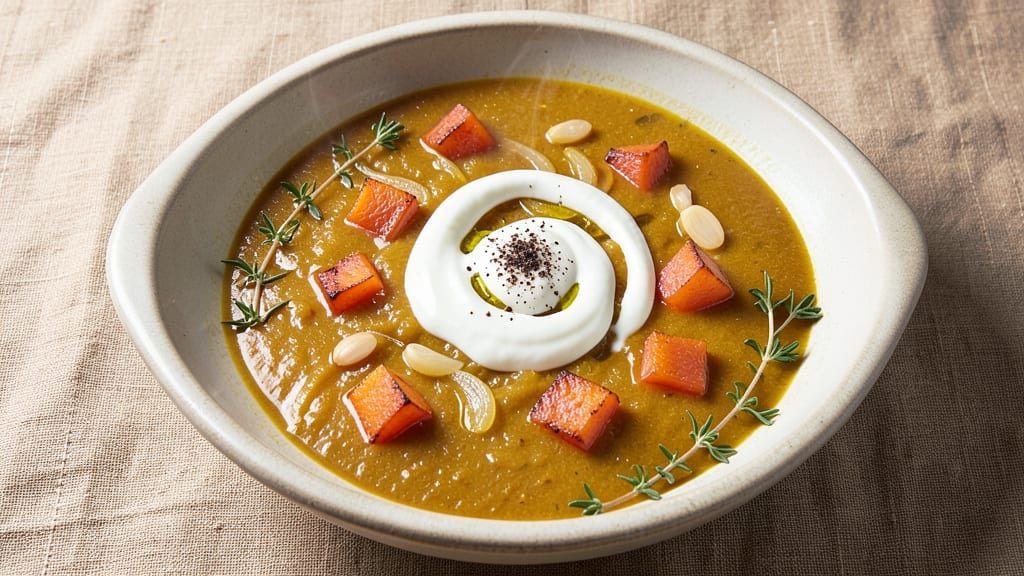
This buttersquash soup recipe delivers the velvety smoothness you crave, transforming humble squash into a restaurant-worthy dish with minimal effort. The key lies in roasting the squash first—this caramelizes the natural sugars and deepens the flavor without overpowering the dish.
I’ve perfected this method over years of testing, ensuring every spoonful is rich, creamy, and subtly sweet.
What sets this recipe apart is its simplicity: just five core ingredients, a 30-minute prep, and a 45-minute simmer that requires no blending tricks or fancy techniques.
The roasting step unlocks a depth of flavor you won’t find in raw squash, while the slow simmer creates a naturally thick, velvety texture. No heavy cream or flour is needed—just the squash’s own sweetness and a touch of broth.
By the end, you’ll have a golden, aromatic soup with a silky-smooth consistency and a hint of nutty warmth from the roasted squash. The best part?
It’s versatile enough for weeknight dinners or holiday gatherings, and the leftovers reheat beautifully. Garnish with toasted seeds or fresh herbs for extra texture and color.
Serve it alongside crusty bread or a simple green salad to round out the meal. This soup proves that comfort food doesn’t require complicated steps—just patience and the right technique. Let’s make it.
Ingredients for buttersquash soup
Roasted squash, aromatic broth, and velvety cream combine for restaurant-quality buttersquash soup with minimal effort.
| Ingredient | Amount | Notes |
|---|---|---|
| Medium Buttersquash 🎃 | 2 whole | About 3-4 lbs total, peeled and cubed |
| Extra-Virgin Olive Oil 🫒 | 2 tbsp | High-quality, fruity variety for roasting |
| Yellow Onion 🧅 | 1 whole | Medium size, diced into 1/4-inch pieces |
| Garlic Cloves 🧄 | 4 cloves | Peeled, smashed for deeper flavor |
| Vegetable Broth 💧 | 4 cups | Low-sodium, homemade preferred |
| Heavy Cream 🥛 | ½ cup | Full-fat for optimal creaminess |
| Salt 🧂 | 1 ½ tsp | Diamond Crystal kosher salt |
| Black Pepper 🌶️ | ½ tsp | Freshly ground for best flavor |
| Nutmeg 🌿 | ¼ tsp | Freshly grated, aromatic variety |
| Pumpkin Seeds 🥜 | ¼ cup | Toasted for garnish, optional |
| Fresh Thyme Leaves 🌿 | ⅛ cup | Chopped, for garnish, optional |
The buttersquash selection is critical—opt for firm, heavy varieties with vibrant orange skin, avoiding any with soft spots or bruising. Local farmers markets often carry superior quality compared to grocery store options, and smaller squash (2-3 lbs each) roast more evenly. Prep by slicing off the stem, cutting in half lengthwise, and scooping out seeds with a spoon. Costco or Whole Foods typically stock organic buttersquash in the fall season, which holds up better during storage. For optimal flavor, choose squash with a slightly sweet aroma when cut open—this indicates proper ripeness for roasting.
No fresh thyme? Dried thyme at one-third the amount works in a pinch, though fresh imparts a brighter note. Substituting vegetable broth for chicken broth adds subtle depth, while coconut milk can replace heavy cream for a dairy-free option (though texture will differ). Low-sodium broth is essential—otherwise, you’ll need to adjust salt significantly later. For the roasting oil, avocado oil has a higher smoke point than olive oil, making it ideal if you’re roasting at high temperatures. The pumpkin seeds can be swapped for toasted pecans or walnuts if preferred, though they add a different textural contrast.
Roasted squash cubes can be refrigerated for up to 3 days before blending, though flavor peaks immediately after roasting. The finished soup reheats beautifully—simmer gently for 3-4 minutes to restore its velvety texture, as overcooking can make it watery. For meal prep, store in glass containers with a tight seal to prevent absorption of fridge odors. Garnishes like toasted seeds or fresh herbs should be added immediately before serving, as they lose crispness when stored with the soup.
Why You'll Love This Recipe
- One-Pot Magic: I swear by this recipe because it’s literally one pot—no chopping boards cluttered with scraps, no last-minute cleanup. Just peel the squash, dice the onion, and let the broth do the work while you stir in garlic that sizzles in olive oil like it’s auditioning for a flavor role.
- Savory-Sweet Balance: That buttersquash? It’s like nature’s perfect canvas—sweet when roasted, rich when blended, and always better with a splash of broth and a pinch of salt. Honestly, the first time I tasted it, I texted my mom: “This is why we eat vegetables.”
- Weeknight to Party: Between us, this soup is my lazy night and my dinner party flex. Serve it with crusty bread for a cozy night in, or drizzle with cream and toasted seeds for a fancier vibe. Same ingredients, two totally different moods.
- Budget-Friendly Leftovers: A whole squash costs less than takeout, and this recipe stretches to feed four for dinner and two lunches the next day. Freeze the extras—because nothing beats coming home to a steaming bowl after a long day. (Yes, even on a Tuesday night.)
Step-by-step instructions for roasted buttersquash soup
This method transforms simple ingredients into velvety, deeply flavorful soup with a perfect balance of caramelized sweetness and aromatic depth.
Roast the Buttersquash and Aromatics
Preheat your oven to 400°F and line a large baking sheet with parchment paper. Cut the 2 whole medium buttersquash in half lengthwise, scoop out the seeds, and cut into 1-inch cubes. Toss the cubed buttersquash with 1 tablespoon of the extra-virgin olive oil, then spread evenly on the prepared baking sheet.
In a small bowl, combine the diced yellow onion, smashed garlic cloves, 1 teaspoon of the salt, and ¼ teaspoon of the black pepper. Toss with the remaining 1 tablespoon extra-virgin olive oil and spread the mixture evenly on the baking sheet alongside the buttersquash. Roast for 30-35 minutes, stirring once halfway through, until the buttersquash is tender when pierced with a fork and the edges are deep golden brown.
Build the Soup Base
Transfer the roasted buttersquash and aromatics to a large pot or Dutch oven. Add the 4 cups vegetable broth and bring to a gentle simmer over medium heat. Use an immersion blender to purée the soup directly in the pot until completely smooth, scraping down the sides as needed. If you prefer not to use an immersion blender, carefully transfer the mixture to a blender in batches, blending until silky smooth.
Return the puréed soup to the pot and stir in the 0.5 cup heavy cream, 0.5 teaspoon black pepper, and 0.25 teaspoon nutmeg. Bring the soup to a gentle simmer over medium-low heat and cook for 10-12 minutes, stirring occasionally, until the flavors meld and the soup reaches a consistent temperature of 180°F.
Season and Garnish
Taste the soup and adjust the seasoning with the remaining 0.5 teaspoon salt if needed. The soup should be richly seasoned with a perfect balance of sweetness from the roasted squash and depth from the aromatics. For a final touch, toast the 0.25 cup pumpkin seeds in a dry skillet over medium heat for 3-4 minutes, stirring constantly, until golden and fragrant.
Ladle the soup into bowls and garnish with the toasted pumpkin seeds and 0.125 cup fresh thyme leaves. The contrast of the nutty, crunchy seeds against the velvety soup creates a satisfying textural experience. Serve immediately while warm, as the flavors continue to develop as the soup sits.
Pro Tips For Making Buttersquash Soup
- ROAST THE SQUASH FIRST: I used to peel and chop buttersquash raw, and it turned out watery every time. Roast it whole at 400°F (200°C) for 45 minutes—cut it open after, scoop out the flesh, and you’ll get a concentrated, caramelized flavor with almost no extra liquid to strain.
- SWEAT THE ONION LOW AND SLOW: Medium heat is your friend here. If you crank the stove too high, the onions burn before they soften, and you’ll end up with a bitter base for your soup. Two tablespoons of olive oil should coat the pan well—let the onions cook for 8–10 minutes until they’re translucent and just starting to turn golden.
- SKIP THE PEEL IF IT’S YOUNG: Buttersquash skin is edible when it’s fresh and thin—no need to peel if it’s under 1.5 inches thick. Scrub it well, slice it, and roast it with the skin on. The texture stays tender, and you save 10 minutes of prep. (Older squash? Peel it—no shame.)
- SALT THE BROTH AFTER SIMMERING: Adding salt to cold broth means you’ll have to adjust later. Instead, let your vegetable broth simmer for 5 minutes first, then taste and season it properly. This way, you’re not guessing—just adding what you actually need for a balanced, flavorful soup. (Bonus: It also helps the soup develop depth faster.)
Perfect pairings for this recipe
Bread Pairings
This soup’s velvety texture makes it a perfect match for hearty, crusty breads that soak up every last drop. I love serving it with sourdough—its tangy crumb contrasts beautifully with the soup’s sweetness.
For extra indulgence, try brioche, which adds a buttery richness that complements the nutmeg and cream. If you prefer something lighter, focaccia with its olive oil infusion ties into the soup’s roasted flavors. 🥖
Cheese Boards
Turn your soup into a cozy meal by pairing it with a simple cheese board. Aged cheddar or Gruyère adds a sharp contrast to the soup’s sweetness, while creamy brie melts perfectly with the warm broth.
For a lighter option, include goat cheese with honey drizzle—its tang cuts through the richness. I like to arrange small slices of each cheese with walnuts and fig jam for a well-rounded pairing. 🧀
Wine Recommendations
A dry Riesling is my go-to wine for this soup—its crisp acidity and subtle sweetness mirror the buttersquash’s natural flavors. For a red option, Pinot Noir from Oregon or Burgundy adds earthy notes that enhance the nutmeg and thyme.
If you prefer white, Chardonnay with light oak brings a creamy texture that pairs well with the soup’s richness. Avoid heavy, tannic reds that might overpower the delicate flavors. 🍷
Herb-Infused Oils
Elevate your soup with a drizzle of herb-infused olive oil before serving. I blend fresh rosemary and garlic into high-quality olive oil, then heat it gently to infuse the flavors. A few drops on top add aromatic depth and a luxurious finish.
For a spicy kick, try chili-infused oil—just mix red pepper flakes into the oil and heat until fragrant. This simple garnish transforms an already impressive dish. 🌿
Crunchy Toppings
Add texture with toasted croutons or crispy fried shallots—both provide a satisfying crunch against the soup’s smoothness. For extra flair, sprinkle crumbled bacon on top, especially if you’re serving it as a brunch dish.
I also love pumpkin seed pesto (blend toasted seeds with olive oil, garlic, and basil) for a fresh, herby contrast. These toppings keep the soup interesting with every bite. 🥜
Nutrition facts
Frequently asked questions
Can I substitute buttersquash with another type of squash?
Delicata squash (with its edible skin) or kabocha work beautifully—they’re slightly sweeter and denser. Avoid zucchini or yellow squash, as they’re too watery and won’t develop the same rich texture. For a milder flavor, use acorn squash, but expect a slightly nuttier taste.
Why does my buttersquash soup turn out watery?
Overblending or adding too much broth are the most common culprits. The roasting process should naturally thicken the soup—if it’s still thin, simmer uncovered for 5-10 minutes to reduce liquid. For extra creaminess, stir in 1 tablespoon of cornstarch mixed with 2 tablespoons cold water and cook until thickened.
How long can I store leftover buttersquash soup?
Store in an airtight container in the fridge for up to 4 days. For longer storage, freeze portions for up to 3 months. Thaw overnight in the fridge—never at room temperature—and reheat gently on the stove to preserve texture. The flavor actually improves after 24 hours as the roasted notes deepen!
Can I make this soup without heavy cream?
Yes! For a lighter version, replace the heavy cream with ½ cup coconut milk (full-fat for best texture) or ½ cup Greek yogurt. The soup will be slightly tangier but still velvety. Another trick: blend in ¼ cup roasted cashews with the soup for natural creaminess without dairy.
What’s the secret to getting the perfect roasted flavor?
Roast the squash at 400°F until the edges are deep golden brown—this caramelization unlocks the sweetness. Cut the squash into 1-inch cubes (not too small) and toss with enough oil to coat evenly. Stir once halfway through roasting to ensure even browning. The key is patience—don’t rush this step!