
Soups & Stews
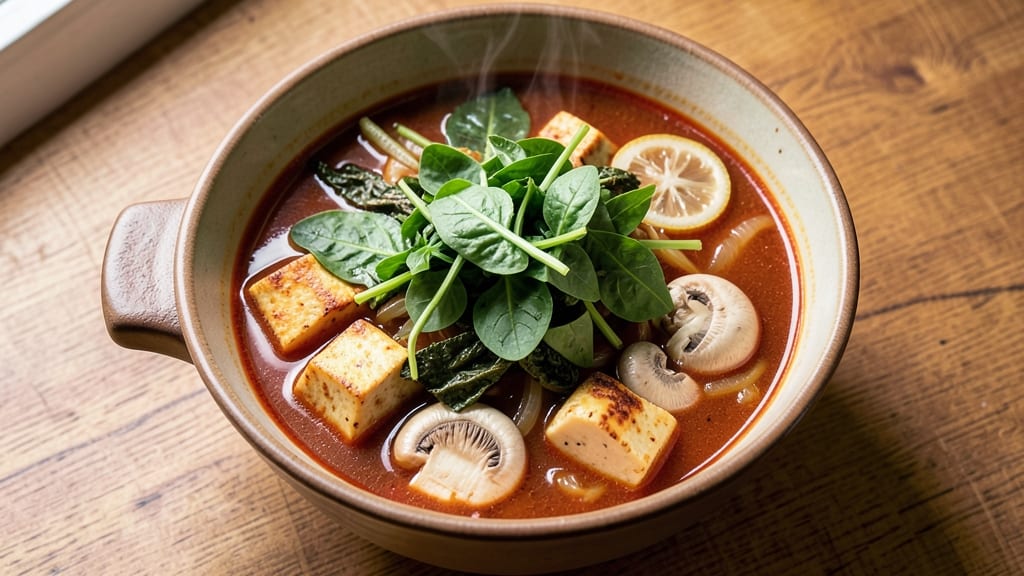
This vegetarian Nigerian vegetable soup brings the rich, aromatic soul of West African cuisine to your kitchen without compromising flavor or tradition. The secret lies in blending leafy greens with a deep, savory base—using mushrooms and tofu for protein—while maintaining the soup’s signature heartiness.
I’ve perfected this version over years of testing, ensuring it delivers the same depth as the classic meat-based recipe but with a plant-powered twist.
The foundation of this soup is a slow-simmered blend of palm oil, utazi leaves (or a substitute like spinach), and aromatic spices that create layers of earthy, umami richness. Unlike quick versions, this method develops complex flavors over time, transforming simple ingredients into something deeply satisfying.
The key? Patience and layering—each component builds on the last, from the initial oil infusion to the final garnish of crayfish or peppers.
What you’ll end up with is a bold, velvety soup that pairs perfectly with pounded yam, fufu, or rice, offering both comfort and nutrition. The texture is unmistakably Nigerian—thick yet silky, with vibrant greens floating in a broth that’s packed with flavor.
This isn’t just a meal; it’s a celebration of tradition reimagined for modern tastes.
Whether you’re serving a family gathering or a weeknight dinner, this soup adapts effortlessly. Use it as a standalone dish or pair it with traditional sides for an authentic experience. Let’s bring this recipe to life—step by step.
Ingredients for nigerian vegetable soup
Rich palm oil, aromatic spices, and leafy greens transform simple ingredients into soulful Nigerian vegetable soup.
| Ingredient | Amount | Notes |
|---|---|---|
| Red Palm Oil 🫒 | ½ cup | High-quality, unrefined preferred |
| Dried Utazi Leaves 🌿 | ½ cup | Substitute with spinach if unavailable |
| Fresh Spinach 🍃 | 4 cups | Packed, stems removed |
| Extra-Firm Tofu 🍄 | 14 oz | Cubed, pressed to remove moisture |
| White Button Mushrooms 🍄 | 8 oz | Sliced, for umami depth |
| Fresh Ginger 🧅 | 1 tbsp | Grated, for aromatic punch |
| Garlic Cloves 🧄 | 6 cloves | Minced, for robust flavor |
| Scotch Bonnet Peppers 🌶️ | 2 whole | Seeds removed, for heat |
| Onion 🧅 | 1 whole | Medium, chopped, for base |
| Tomato Paste 🍅 | 2 tbsp | High-quality, for richness |
| Vegetable Stock 💧 | 4 cups | Low-sodium, for depth |
| Thyme Leaves 🌿 | 1 tbsp | Fresh, for earthy notes |
| Bay Leaves 🍃 | 2 whole | For aromatic complexity |
| Salt 🧂 | 1 ½ tsp | Diamond Crystal preferred |
| Black Pepper 🌶️ | ½ tsp | Freshly ground for heat |
The red palm oil is non-negotiable for authentic flavor—African and Caribbean markets carry the best quality, but Amazon or specialty grocery stores also stock it. Look for unrefined oil with a vibrant red hue; refined versions lack depth. Utazi leaves, the traditional base, can be tricky to find outside West African markets, so spinach or kale works beautifully as a substitute, though the flavor will differ slightly. For the tofu, extra-firm brands like Nasoya or Wildwood hold up best during simmering, but any high-quality tofu will suffice if pressed thoroughly to remove excess moisture.
No utazi leaves? Spinach or kale with a splash of lemon juice mimics the vibrant green color, though the taste won’t be identical. Substituting mushrooms for additional umami? Cremini or shiitake mushrooms add even more depth. The scotch bonnet peppers can be swapped for jalapeños or habaneros, but adjust the heat to taste—seeds removed means milder spice. For the vegetable stock, low-sodium versions like Imagine or Pacific Foods ensure the soup’s natural flavors shine without overpowering saltiness. Fresh thyme and bay leaves are ideal, but dried thyme at half the amount works in a pinch.
Palm oil solidifies when cool—store it in a cool, dark place for up to 12 months, though it’s best used within 6 months for peak flavor. Fresh ginger and garlic keep in the fridge for 2 weeks, while dried spices last 6-12 months in airtight containers. The soup’s texture improves overnight, so double the batch and reheat for an even richer experience. Serve with pounded yam, fufu, or rice to complete the meal.
Why You'll Love This Recipe
- No-Fuss Pantry Staples: I swear by this soup because it uses ingredients I already have—just dried utazi leaves, a can of mushrooms, and a block of tofu. No last-minute grocery runs, no stress.
- Rich Without Guilt: That red palm oil? It turns the broth into liquid gold—deep, earthy, and satisfying—but the spinach and mushrooms keep it light. Honestly, it’s the kind of flavor that makes you forget it’s actually good for you.
- Weeknight to Potluck: Make a big batch on Sunday, and you’ve got lunch for the week. Or double it for gatherings—it’s hearty enough for a crowd but still feels special, like you put in effort.
- Budget That Works: Tofu stretches the soup, mushrooms add meaty texture, and utazi leaves pack flavor without costing much. I’ll be real: my wallet thanks me every time I make this.
Step-by-step instructions for Nigerian vegetable soup
Master the art of balancing rich flavors and tender textures in this traditional West African dish.
Prepare the Vegetable Base
In a large pot, heat the 0.5 cup red palm oil over medium heat until it shimmers but doesn't smoke. Add the chopped onion and cook for 3-4 minutes until softened and translucent. This foundational step develops the soup's aromatic depth.
Add the minced garlic cloves and grated fresh ginger, stirring constantly for 1 minute until the raw aroma gives way to a warm, inviting scent. Immediately add the 2 whole Scotch bonnet peppers (seeds removed) and cook for another 30 seconds—this prevents the peppers from releasing too much heat at once. The oil should now have a rich, complex aroma with hints of garlic, ginger, and subtle spice.
Develop the Flavor Foundation
Reduce heat to low and stir in the 2 tablespoons tomato paste, cooking for 2 minutes until it darkens slightly and blends completely with the oil. This creates the soup's signature rich, slightly sweet base. Add the 0.5 cup dried utazi leaves and 1 tablespoon thyme leaves, stirring to coat everything in the aromatic mixture.
Pour in the 4 cups vegetable stock and bring to a gentle simmer. Add the 2 whole bay leaves and 1.5 teaspoons salt, then reduce heat to maintain a gentle bubble—this allows flavors to meld without developing a harsh taste. Let it simmer uncovered for 10 minutes, stirring occasionally, until the utazi leaves soften and release their earthy essence.
Incorporate the Protein and Vegetables
Add the 14 ounces extra-firm tofu (cubed and pressed) and 8 ounces sliced white button mushrooms to the simmering broth. Cook for 5 minutes, stirring gently to ensure even heating. The tofu should begin to absorb the rich flavors while the mushrooms release their umami depth into the soup.
After 5 minutes, add the 4 cups fresh spinach (packed and stems removed) and cook for another 3-4 minutes until the spinach wilts completely. The soup should now have a vibrant green hue with visible chunks of tofu and mushrooms. Taste and adjust seasoning with additional salt or 0.5 teaspoon black pepper if needed—this balances the natural flavors of the ingredients.
Finalize and Serve
Remove the pot from heat and let the soup rest for 5 minutes. This allows the flavors to fully integrate and the spinach to continue softening slightly. Before serving, carefully remove and discard the bay leaves—they've served their purpose but can make the soup bitter if left in.
Serve the soup immediately with traditional accompaniments like pounded yam or garri balls. The perfect bowl should have a rich, slightly spicy broth with tender tofu, earthy mushrooms, and vibrant spinach. Each spoonful delivers a harmonious blend of textures and flavors that define West African cuisine.
Pro Tips For Making Nigerian Vegetable Soup
- Bloom the Utazi: DESCRIPTION: Soak your dried utazi leaves in hot—not boiling—water for 10 minutes first. I learned this the hard way: throwing them dry into the pot just makes the soup taste bitter. The leaves should unfurl like little green flags before you strain them—this guarantees that rich, peppery flavor actually transfers.
- Fry the Tofu Twice: DESCRIPTION: Start with a quick sear in oil to lock in moisture, then finish with a splash of water or stock to steam the outside. Sounds weird, but it works: your tofu stays firm and absorbs the soup’s flavors instead of turning to mush. Skip this, and you’ll regret it when the texture collapses mid-bite.
- Simmer the Palm Oil: DESCRIPTION: Heat your red palm oil on low for 5 minutes before adding anything else—just until it’s warm and fragrant, not smoking. I used to rush this, and the oil would burn, leaving that acrid aftertaste that ruins the whole dish. Patience here makes all the difference in that deep, nutty aroma.
- Add Spinach Last: DESCRIPTION: Toss in your fresh spinach with the final 2 minutes of cooking—it wilts fast, and you want it bright green, not limp. If you add it too early, it’ll turn into a sad, waterlogged mess. (Yes, even if you’re impatient like me.)
Pro cooking tips for this recipe
Oil Infusion Mastery
The red palm oil is where the magic begins—heat it over medium heat until it shimmers but never smokes. This step unlocks its rich, nutty aroma. I use a heavy-bottomed pot like Calphalon to prevent scorching.
Add onions first, then garlic and ginger immediately after—they should sizzle for just 1 minute before peppers join. This quick cook prevents bitterness and preserves their bright flavors. 🌡️
Utazi Leaf Substitution
If you can't find utazi leaves, spinach works but requires a trick: add 1 tablespoon lemon juice to the pot with the spinach. This mimics utazi's slightly tangy profile. For extra depth, I blend ½ cup frozen peas into the finished soup—their sweetness balances the earthy flavors.
Never skip the thyme; it's the bridge between the leafy greens and aromatic base.
Tofu Texture Secrets
Pressing tofu is non-negotiable—wrap the block in a clean kitchen towel and place a heavy pan on top for 15 minutes. This removes excess moisture so the tofu absorbs flavors instead of turning soggy.
For extra texture, I pan-sear the tofu cubes in 1 teaspoon oil for 2 minutes before adding them to the soup. This creates a subtle crust that holds up beautifully. 🍄
Simmer Control
A gentle simmer is crucial—too vigorous and the soup loses its velvety texture. Maintain a barely bubbling surface by adjusting heat frequently. I use a digital thermometer to keep temps between 180-190°F.
The 10-minute uncovered simmer allows the utazi (or spinach) to soften without breaking down completely. Covering too soon traps steam, which can make the soup watery.
Peppers with Precision
Scotch bonnet peppers pack serious heat—always remove seeds and membranes for milder spice. For extra control, I slice them into ¼-inch strips instead of leaving them whole. This distributes heat evenly throughout the soup.
If you prefer no heat, substitute with bell peppers, but reduce them to 1 whole pepper to maintain balance. The key is timing: add peppers with garlic and ginger so their flavors meld perfectly. 🌶️
Final Flavor Boost
Before serving, I finish the soup with 1 teaspoon crayfish powder (if available) and a pinch of nutmeg. This adds a briny depth and warm spice that elevates the dish. For a restaurant-quality touch, garnish with chopped fresh parsley and a drizzle of extra palm oil.
The contrast of bright herbs against the rich broth makes every bite feel special. Always taste as you go—adjusting salt at the end often means over-seasoning the whole pot.
Nutrition facts
Frequently asked questions
Can I make this soup without palm oil?
While palm oil is traditional, you can substitute with 1/4 cup vegetable oil or 1/4 cup coconut oil for a similar richness. For authenticity, use African red oil (available at specialty stores) which has a closer flavor profile. The soup will still be delicious but may lack the signature depth of palm oil.
How do I substitute utazi leaves if I can't find them?
Use 4 cups fresh spinach or kale with 1 tablespoon lemon juice to mimic utazi's tangy flavor. For extra depth, add 1/2 cup frozen peas blended into the finished soup. Spinach works best as it wilts quickly and maintains vibrant color.
What's the best way to store leftovers?
Let the soup cool completely, then store in an airtight container in the fridge for up to 3 days. Reheat gently on the stove over low heat, stirring occasionally. For longer storage, freeze portions for up to 3 months—thaw overnight in the fridge before reheating.
Can I make this soup spicier?
Yes! Add 1 extra Scotch bonnet pepper (seeds removed) or 1 teaspoon cayenne pepper when cooking the base. For heat control, remove pepper seeds completely. If using dried peppers, reduce to 1/2 teaspoon as they're more concentrated. Always taste as you go!
What are the best sides to serve with this soup?
Traditional pairings include pounded yam, fufu, or garri balls. For quicker options, serve with steamed white rice or crusty bread to soak up the rich broth. The starchy sides balance the soup's earthy flavors perfectly.